REVIEW · PAELLA COOKING CLASSES
Spanish Cooking Class Paella Tapas and Sangria in Madrid
The best part of this Madrid cooking class happens before you reach the stove: in the morning session, you walk to a local market with your chef, choose fresh ingredients, and learn how Spanish food gets from market counter to family table. Then you return to the kitchen and actually cook, rather than watching a chef do all the work. I especially like the small group of no more than 12 and the practical recipe booklet you take home.
You can choose paella in the morning or a tapas menu in the evening. Both include sangria and a full meal, and guides such as Angel, Teresa, Elisa, and Eduardo are praised for their humor, patience, and clear instruction. The main point to watch is simple: the evening class does not appear to include paella, so check the menu before booking.
Key points to know before booking
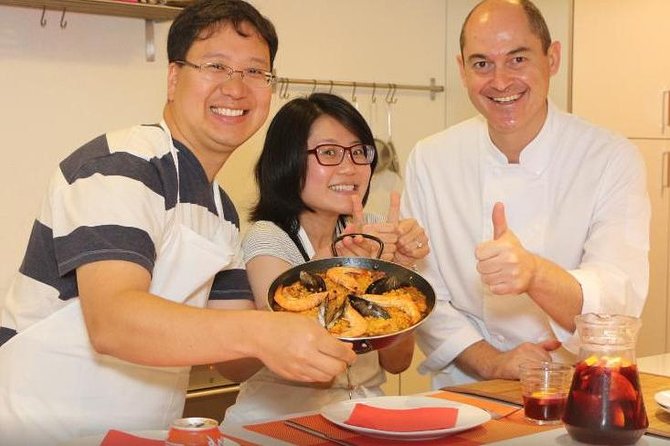
- Morning market visit: Shop for ingredients with the chef before preparing paella, gazpacho, and sangria.
- Two distinct menus: Morning is centered on paella, while evening is a tapas-focused class.
- Real hands-on cooking: You work in pairs and prepare the dishes yourself with guidance.
- Small class size: The maximum is 12 people, which gives the chef room to help.
- Family-friendly format: Children can take part, though the minimum drinking age is 18 for alcohol.
- Recipes and leftovers: You receive a recipe booklet, and the meal may be generous enough to take food home.
A market-to-table morning in central Madrid
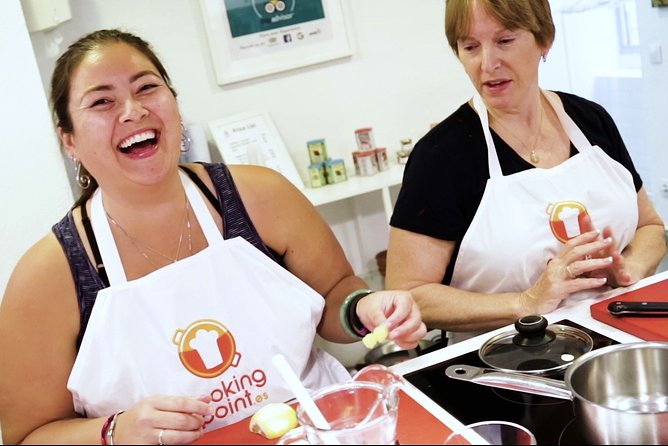
The class starts at Cooking Point, at Calle de Moratín 11 in Madrid’s Centro district. The location is near public transportation, and the activity ends at the same place, so you do not need to arrange a taxi between the market, kitchen, and meal.
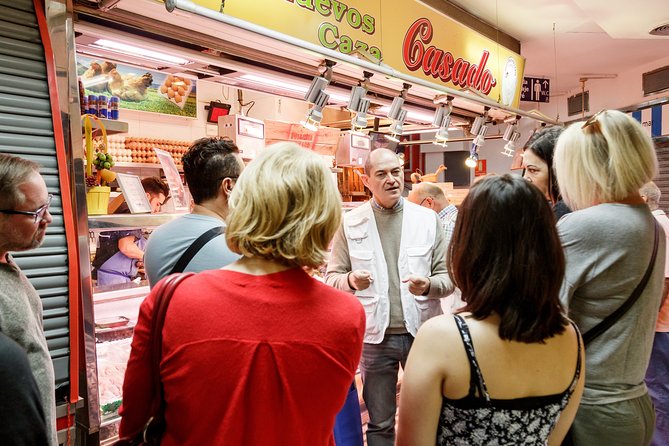
Choose the morning class if you want the fullest food lesson. The outing begins with a short walk to a local market. This is not just a shopping errand. The chef explains Spanish produce, seafood, meat, eating habits, and the way ingredients are commonly sourced and used across Spain.
That market stop gives the cooking a useful setting. You are not simply handed a bowl of preselected ingredients and told to stir. You see the food in its everyday context, then use it soon afterward. I like this part because it connects the dish to Madrid life rather than treating paella as a restaurant trick.
The exact market route and ingredients can vary, but the purpose is clear: select fresh items for the class and learn what you are looking at. If you are staying nearby, the walk can also help you get your bearings in the neighborhood.
More Paella Cooking Classes in Madrid
- Madrid Tapas & Paella Cooking Experience with Local Market Visit
★ 5.0 · 432 reviews - Madrid: Paella & Sangria Classes- Seafood, Chicken & Vegan option
★ 5.0 · 265 reviews - Tapas & Paella Cooking Class in Madrid with a Professional Chef
★ 5.0 · 177 reviews
Morning class: paella, gazpacho, and sangria
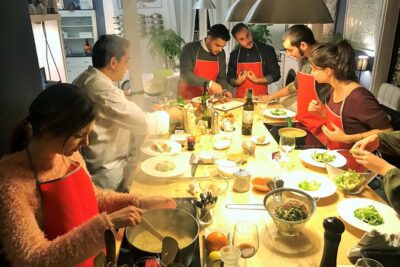
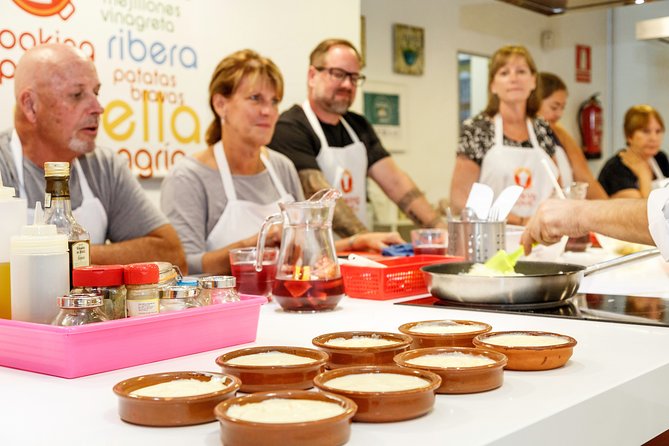
Back at the kitchen, you work in pairs. If you arrive alone, the staff matches you with a cooking partner. That arrangement makes the class social without forcing you to cook entirely by yourself.
The morning menu centers on paella, with gazpacho as a starter and sangria prepared alongside the meal. The chef explains the steps, then lets you take part. This matters because many cooking classes turn into demonstrations once the difficult work begins. Here, the goal is for you to chop, mix, season, and cook under supervision.
Paella is a useful dish to learn in Madrid because the technique matters as much as the ingredients. The chef can explain different styles of paella and the thinking behind the dish while you prepare it. You may leave feeling that paella is manageable at home, instead of something best left to a Spanish restaurant.
Gazpacho offers a simpler lesson in Spanish flavor. It is also a dish that transfers well to a home kitchen, especially if you want a quick recipe for warm weather. Several guests have found it one of the easiest recipes to recreate after returning home.
Sangria is included with the meal. The class is not only about drinking it, though. You prepare it as part of the session, which gives you a better sense of the balance between fruit, wine, and sweetness. The minimum drinking age is 18, so families should keep that rule in mind.
Evening class: a full spread of Spanish tapas
The evening option takes a different route. It is a tapas cooking class, not a second version of the paella lesson. The sample menu includes Spanish potato omelet, garlic shrimp, chorizo in cider, patatas bravas, tomato bread with ham, crema Catalana, and sangria.
That is a generous range of dishes. You get something egg-based, seafood, sausage, potatoes, bread, dessert, and a drink. It is a good choice if you want to understand how a Spanish meal can be built from small plates rather than one central dish.
Patatas bravas are a practical dish to learn because they are familiar, filling, and easy to serve at home. The Spanish potato omelet introduces another basic part of local cooking. Garlic shrimp and chorizo in cider add stronger flavors, while tomato bread with ham keeps the menu simple and distinctly Spanish.
Crema Catalana gives the class a sweet finish. The menu also includes useful techniques beyond the obvious recipes, including making custard and pouring traditional cider. You may not use every dish at home, but the class gives you several ideas for a casual dinner with friends.
The evening class does not include the morning market walk according to the stated program. If the market is your main reason for booking, choose the morning session. If you prefer a relaxed dinner with several small plates, the tapas option is likely the better match.
How much cooking do you really do?
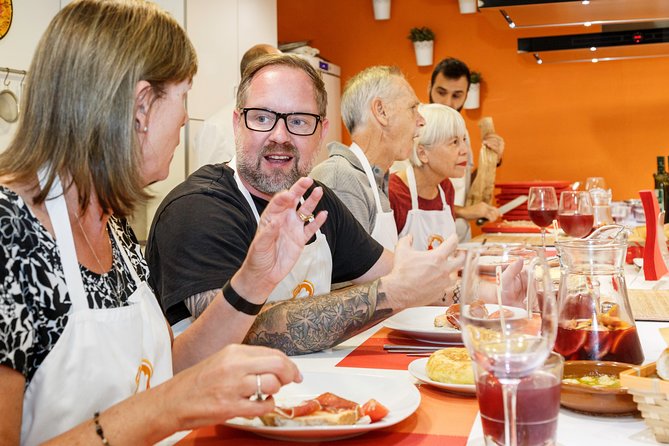
You should expect an active class, but not a free-for-all. The chef organizes the work, explains each step, and steps in when needed. The strongest part of the format is the balance between preparation and independence.
The kitchen has ingredients prepared for use, which keeps the four-hour session moving. At the same time, you are not limited to standing behind the chef while a finished meal appears. You take part in the actual cooking.
This works well for beginners. You do not need advanced kitchen skills, and chefs such as Angel, Teresa, Elisa, and Eduardo are described as patient, funny, and willing to answer questions. More experienced cooks should still find value in the Spanish methods and menu choices, though anyone expecting a professional culinary course may find the class too informal.
The pairing system also affects the feel of the session. You share tasks with another person, then sit down with the rest of the group to eat. That creates an easy social rhythm, especially for solo visitors and couples.
More Spanish Cooking Classes in Madrid
- Taste of Spain: Tapas Cooking Class with Bottomless Wine Pairing
★ 5.0 · 414 reviews - Madrid: 10 Tapas 2.5-Hour Cooking Class
★ 4.7 · 222 reviews - 10 Tapas Cooking Class Experience in Madrid with Sangria
★ 5.0 · 137 reviews
The chefs make the difference
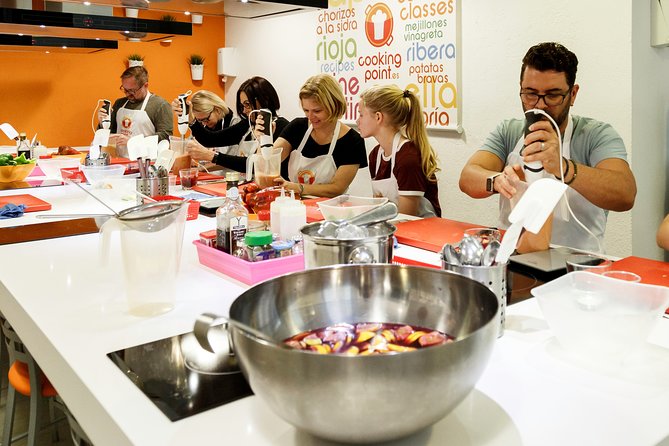
The cooking method is important, but the guide shapes the day. Angel is praised for his clear explanations, humor, and ability to involve everyone. Teresa is described as upbeat, passionate, and attentive to the pace of the class. Elisa brings a funny, friendly approach, while Eduardo is noted for patience, careful guidance, and strong knowledge of Spanish food.
Those details matter because a cooking class can become confusing when the instructor rushes or takes over. Here, the repeated pattern is a chef who explains, watches, and lets you try. That is exactly what you want if your goal is to repeat the recipes later.
The cultural talk is another plus. You can ask about Spanish food, local eating habits, the origins of dishes, or anything else that comes up during the session. The result is broader than a recipe lesson. You learn why certain foods appear together and how they fit into everyday life.
The style may vary by chef and class size. A full group of 12 will feel busier than a class with five people. Still, the maximum is modest enough that you should have a reasonable chance to receive personal help.
Eating together, and possibly taking food home
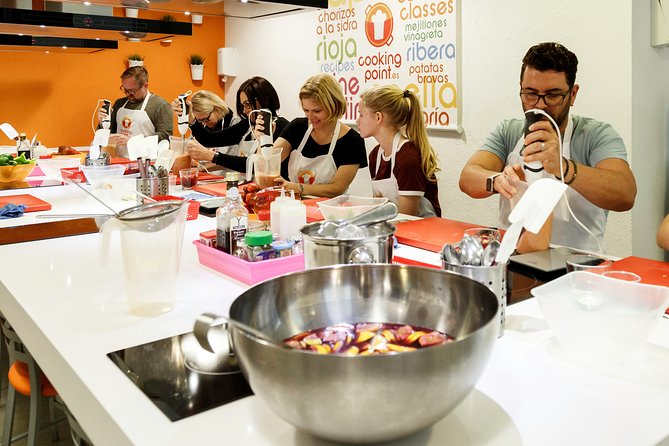
Once cooking ends, everyone sits down to eat what the group has prepared. This is the reward, but also part of the lesson. You see how the dishes work together as a meal, rather than tasting isolated samples from a demonstration.
The portions can be substantial. Some groups have had enough food to pack up leftovers, so come hungry but do not assume you need to eat everything at once. The meal also gives you time to talk with classmates and compare travel plans.
The social side suits couples, families, solo visitors, and small groups of friends. A six-year-old has taken part successfully, though younger children will need close attention around knives, hot pans, and alcohol. The activity is family-friendly in spirit, but it remains a working kitchen.
The dining portion can run at an easy pace, yet you should allow the full four hours. This is not a quick cooking demonstration squeezed between museum visits. It is best booked on a morning or evening when you do not have another tightly timed plan.
Dietary needs and practical planning
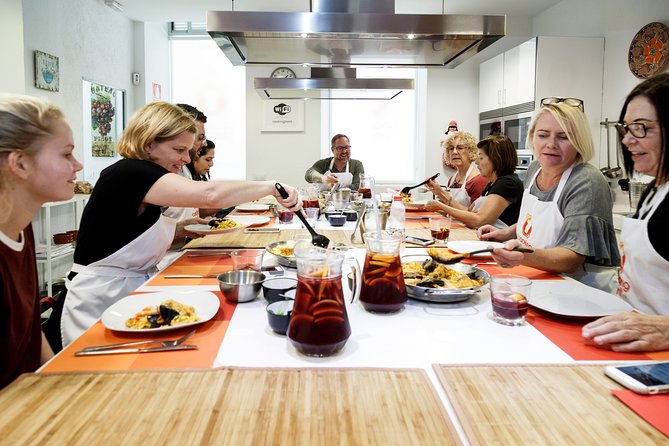
Dietary requirements should be provided when you book. The operator says the menu can be adapted to specific needs, including allergies and other restrictions. You should still explain your needs clearly in advance rather than waiting until you arrive.
The sample menus include seafood, ham, chorizo, eggs, and dairy-based dishes, so the standard recipes cover several common ingredients that may need changing. Ask for confirmation if your restrictions are complex.
The class is offered in English. The meeting point is easy to reach by public transportation, and there is no hotel pickup or drop-off. Plan to make your own way to Calle de Moratín 11 and return from there after the meal.
A mobile ticket is accepted. Booking confirmation normally arrives at once, though bookings made within one day of the activity are confirmed as soon as possible, subject to availability.
Free cancellation is available up to 24 hours before the start time for a full refund. Changes or cancellations inside that window are not accepted, so keep your daily schedule fairly firm.
Is $102.79 a fair price?
At $102.79 per person, this is not a bargain meal. It is a four-hour class with instruction, ingredients, drinks, a market visit for the morning option, and a recipe booklet. The value depends on what you want from your time in Madrid.
If you only want to eat paella or tapas, you can spend less at a restaurant. If you want to learn several recipes, cook them yourself, drink sangria, meet other people, and leave with instructions for repeating the meal, the price is easier to justify.
The morning class offers the stronger value for food-focused visitors because of the market walk. The evening class gives you more individual tapas dishes and a dessert, so its appeal is different rather than lesser.
I would not book this as a cheap substitute for lunch or dinner. I would book it as a meal, lesson, and cultural activity combined. The average booking lead time is about 37 days, which suggests you should reserve ahead if your Madrid dates are fixed, especially if you want a particular session.
Who will enjoy this Madrid cooking class?
This is a good choice for:
- Couples looking for a shared activity beyond sightseeing
- Families with children who enjoy practical, supervised activities
- Solo visitors who want an easy way to meet people
- Beginners who want clear instruction without a formal school setting
- Experienced home cooks interested in Spanish techniques
- Anyone planning a longer trip through Spain who wants a useful introduction to local food
It may not suit you if you dislike group activities, do not want to cook with a partner, or want a quiet restaurant meal. It is also not the right booking if you expect both paella and the full tapas menu in one session. Choose one menu carefully.
Should you book it?
Book the morning class if you want the market visit, paella, gazpacho, and a better sense of everyday Spanish ingredients. Book the evening class if you prefer a broad tapas meal with tortilla, garlic shrimp, chorizo, patatas bravas, tomato bread, crema Catalana, and sangria.
I especially recommend it for first-time visitors who want food to explain the culture, not just fill the plate. The small group, hands-on format, friendly chefs, adaptable menu, and take-home recipes give the class more value than a standard tasting.
Check the menu, state dietary needs at booking, and leave four hours free. If you do that, this Cooking Point class is a practical and sociable way to spend part of a Madrid day.
FAQ
Where does the cooking class start?
It starts at Cooking Point, Calle de Moratín 11, Centro, 28014 Madrid, Spain.
Where does the activity end?
The class ends back at the same meeting point.
How long does the class last?
The experience lasts approximately four hours.
Is the class offered in English?
Yes. The class is offered in English with an English-speaking local chef.
What is the maximum group size?
The maximum is 12 participants.
Does the morning class include a market visit?
Yes. The morning class includes a visit to a local market to shop for fresh ingredients.
Does the class include both paella and tapas?
The menus are different. The morning class focuses on paella, gazpacho, and sangria. The evening class focuses on tapas, including Spanish potato omelet, garlic shrimp, chorizo in cider, patatas bravas, tomato bread with ham, crema Catalana, and sangria.
Can dietary requirements be accommodated?
Yes. Dietary requirements can be accommodated, and you should provide the details when booking.
What is the cancellation policy?
You can cancel up to 24 hours before the start time for a full refund. Cancellations or changes made less than 24 hours before the start time are not accepted.
More Sangria and Tapas Tours in Madrid
- Madrid: Paella and Sangria Workshop with Tapas
★ 4.9 · 128 reviews - Barcelona Paella Cooking Class with Market Visit, Tapas & Sangria
★ 5.0 · 2,531 reviews - Barcelona Food Tour: Tapas, Paella, Sangria & 8+ Local Tastings
★ 5.0 · 1,275 reviews - Valencian Paella Cooking Class, Tapas & Sangria – Evening
★ 5.0 · 303 reviews
Recently reviewed in Madrid
- Madrid: Flamenco Show with Tapas and Wine Tour★ 4.9 · 66 reviews
- Madrid by Night: Vintage Bike Tour Highlights/Optional Tapas★ 4.8 · 68 reviews
- Toledo Tour with Tapas, Wine Tasting and Optional 3 Monuments★ 4.5 · 70 reviews
- Madrid: Guided Food Tour with Tapas Tastings and Drinks★ 4.8 · 72 reviews
- Madrid: Tapas, Taverns & History Tour★ 4.7 · 71 reviews
- Tasty Tapas & Drinks Tour with a Rooftop Included★ 5.0 · 82 reviews
- Madrid: Los Porches Flamenco Show with Tapas and Wine Ticket★ 4.7 · 84 reviews
- Personalised Traditional Madrid Night Tapas and Drinks Tour★ 5.0 · 95 reviews
Paella Cooking Classes, compared.
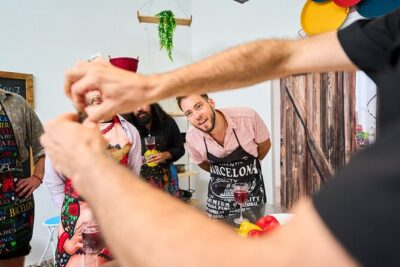
Barcelona Paella Cooking Class with Market Visit, Tapas & Sangria
Read our review →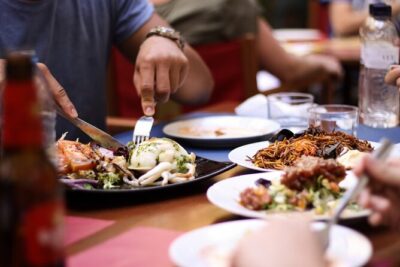
Barcelona Food Tour: Tapas, Paella, Sangria & 8+ Local Tastings
Read our review →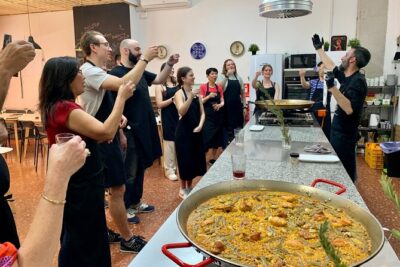
Valencian paella cooking class, tapas and visit to Ruzafa market.
Read our review →
Madrid Tapas & Paella Cooking Experience with Local Market Visit
Read our review →
Alicante Paella Cooking Class, Tapas, Drinks and Marketplace
Read our review →
Seafood paella cooking class, tapas and visit to Ruzafa market.
Read our review →
Evening Guided Paella Workshop, Tapas, and Drinks
Read our review →