
REVIEW · SPANISH COOKING CLASSES
10 Tapas Cooking Class Experience in Madrid with Sangria
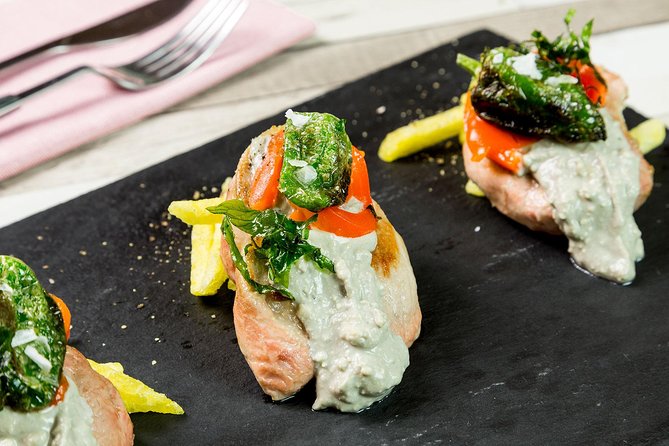
Madrid’s tapas tradition becomes much more satisfying when you get behind the counter and make the food yourself. At A Punto Cooking School, you’ll work with a chef such as Gustavo or Rosa to prepare up to 10 Spanish dishes, then sit down to eat what the group has made with sangria.
I like the mix of hands-on cooking and shared dinner, and I like the small maximum of 15 people. The menu also gives you a broad taste of Spain, from cold salmorejo and Basque-style Idiazabal cheese to Madrid’s famous fried-squid sandwich. The main consideration is that you cook as a team, so you won’t personally prepare every dish from start to finish.
Key points at a glance
- Ten tapas in one class: Prepare a wide range of dishes, including tortilla española, patatas bravas, gildas, shrimp with garlic, and dessert-style torrijas.
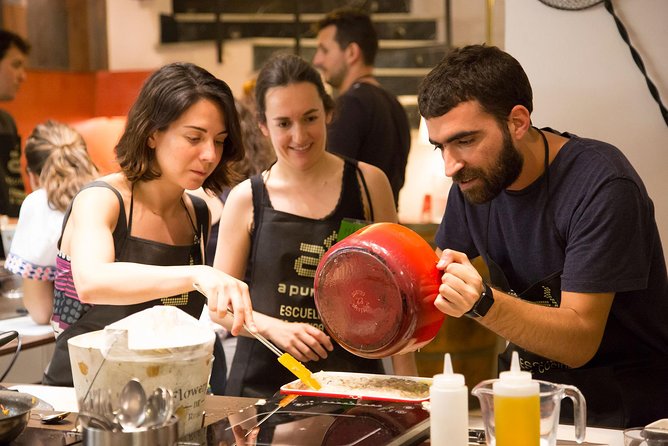
- A social cooking setup: Each person takes on one or more tasks while the whole group works toward a shared meal.
- Central Madrid meeting point: The class starts at 4:00 pm at C. de la Farmacia, 6, making it easy to fit into an afternoon in the Centro area.
- Chefs who keep the class lively: Gustavo, also called Gus, and Rosa are among the instructors praised for clear English, humor, patience, and useful cooking advice.
- Sangria and dinner included: You cook, eat, and share the finished dishes rather than leaving with only a demonstration.
- A good fit for food-focused visitors: The class suits couples, families with teenagers, solo visitors, and small groups who enjoy meeting people while cooking.
Cooking ten tapas as one shared Madrid meal
The most important thing to understand is the format. This is not a private lesson where you make ten complete plates by yourself. The group works together, with each participant handling at least one task or station. By the end, everyone has helped create the full spread.
That arrangement keeps the class social and makes ten dishes possible in only two and a half hours. It also means the amount of personal cooking time can vary. If you want a particular recipe, choose that station when the opportunity comes up and tell the chef what interests you most.
The kitchen uses a large L-shaped setup. That gives several teams room to work, though the number of dishes can make the opening instructions feel quick. I would arrive ready to listen closely, ask questions, and accept that this is a lively group class rather than a slow, private tutorial.
The reward is a generous meal. You are not simply tasting one or two sample dishes. The group prepares a broad collection of small plates and then eats them together, with leftovers sometimes sent home. That makes the class feel closer to a shared dinner party than a standard cooking demonstration.
More Spanish Cooking Classes in Madrid
- Spanish Cooking Class Paella Tapas and Sangria in Madrid
★ 5.0 · 1,340 reviews - Madrid Tapas & Paella Cooking Experience with Local Market Visit
★ 5.0 · 432 reviews - Taste of Spain: Tapas Cooking Class with Bottomless Wine Pairing
★ 5.0 · 414 reviews
From salmorejo to Idiazabal cheese
The menu begins with foods that show how varied Spanish small plates can be. Salmorejo is a cold tomato soup from Andalusia, usually thicker and creamier than gazpacho. It gives you a fresh first taste and shows why ripe tomatoes, olive oil, and simple seasoning matter so much in Spanish cooking.
The Idiazabal lollipops add a different note. Idiazabal is a sheep’s milk cheese from northern Spain, and shaping it into lollipops turns a traditional ingredient into a playful starter. This is the sort of small technique that makes the class useful at home, since the finished dish looks more special than the work required to prepare it.
You may also work on coca, a flatbread often compared with Spanish pizza. The class prepares it with sobrasada or vegetables. Sobrasada is a soft, paprika-seasoned sausage from the Balearic Islands, so this one dish brings a taste of island cooking into a Madrid kitchen.
The gilda is another good lesson in Spanish bar food. It combines ingredients such as olives and anchovies on a skewer. There is no complicated cooking here, but the balance of salty, briny, and spicy flavors is central to the tapas tradition. It is a reminder that tapas are not always elaborate recipes. Sometimes the skill is in choosing ingredients that work together.
Madrid classics and quick cooking lessons
The squid sandwich is the most distinctly Madrid item on the menu. Fried squid with alioli is served in bread, a familiar central-city snack that makes a welcome contrast to the more refined-looking cheese lollipops and vegetable dishes.
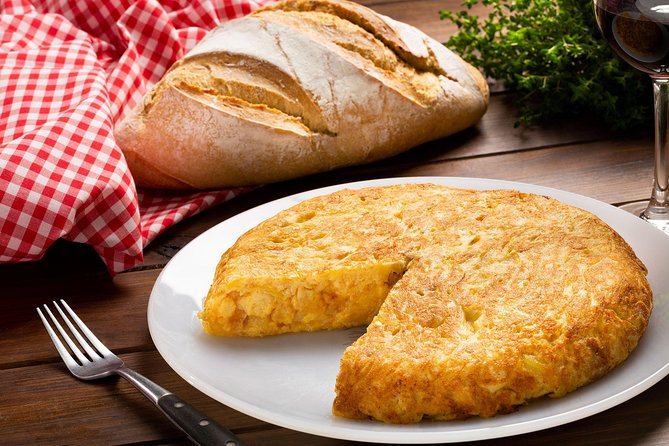
The cooking class also covers Spanish omelette, or tortilla española. You decide whether yours includes onion, a small choice that can spark lively opinions around any Spanish table. The basic combination of potatoes, eggs, and possibly onion is simple, but getting the texture right takes attention. This is one recipe worth watching closely if you want to repeat it at home.
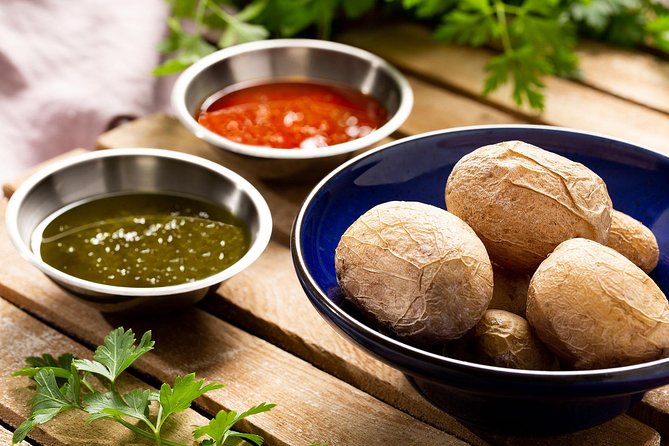
Patatas bravas are another practical favorite. The dish centers on potatoes with a special spicy tomato sauce. It is a familiar tapas-bar order, but making the sauce yourself helps you understand why the dish depends on more than fried potatoes alone.
For the seafood course, the class prepares ajillo shrimp with garlic and plenty of olive oil. This is a fast dish, so your role may involve chopping, seasoning, or handling the shrimp while the chef manages timing. Pay attention to the heat and the oil. Small details matter when a recipe has only a few ingredients.
The full spread can also include a bonus dish, depending on the class. That is a pleasant extra, but the exact menu may change with availability or the day’s plan. The listed dishes give you a clear idea of the style, not a guarantee that every plate will appear in precisely the same form.
A sweet finish with horchata torrijas
Dessert is horchata torrijas, a Spanish version of French toast made with horchata, the sweet rice-and-nut drink associated with Valencia and the Levante coast.
This is a smart ending because it introduces a regional drink in a cooked dessert rather than serving it on its own. You get another example of how familiar ingredients can be used in a distinctly Spanish way. Like the other recipes, it is approachable enough to recreate, provided you receive the instructions and remember the key steps.
The class is especially useful if you like food that tells you something about different parts of Spain. The menu is not limited to Madrid. You move from Andalusian soup to Basque cheese, Balearic coca, Valencian horchata, and Madrid’s squid sandwich, all in one meal.
More Sangria and Tapas Tours in Madrid:
- Madrid: Paella & Sangria Classes- Seafood, Chicken & Vegan option
★ 5.0 · 265 reviews - Madrid: Paella and Sangria Workshop with Tapas
★ 4.9 · 128 reviews - Barcelona Paella Cooking Class with Market Visit, Tapas & Sangria
★ 5.0 · 2,531 reviews - Barcelona Food Tour: Tapas, Paella, Sangria & 8+ Local Tastings
★ 5.0 · 1,275 reviews
What Gustavo and Rosa add to the class
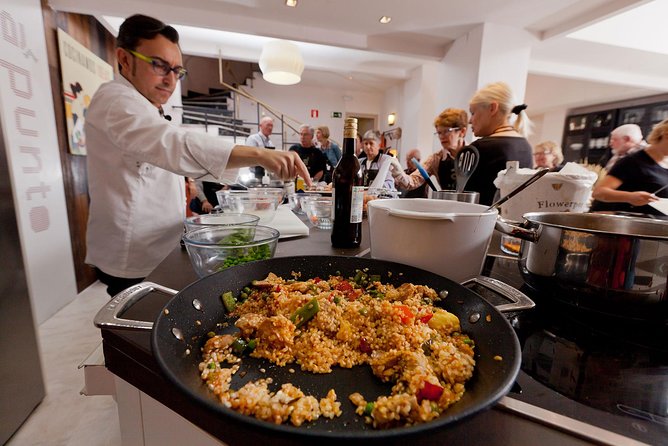
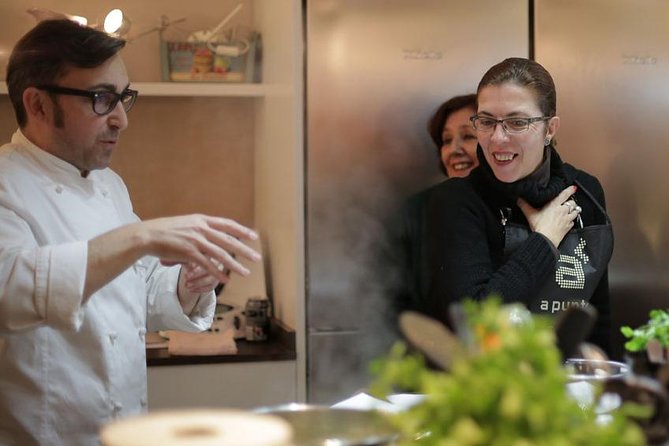
The instructor makes a real difference in a group cooking session. Gustavo, often called Gus, is described as funny, encouraging, professional, and comfortable teaching in English. He keeps people involved and answers questions while the food moves through the kitchen.
Rosa is also praised for her energy, patience, and cooking tips. You can expect the teaching style to vary slightly by instructor, but the important point is that the class is led by an active chef rather than left to run itself.
The assistants help keep stations clean and supplied. That matters when several teams are chopping, frying, assembling, and plating at once. A clean, well-stocked workspace keeps the pace moving and lets you focus on the food instead of searching for equipment.
The class has received a 4.8 rating from 137 reviews, with 94 percent of participants recommending it. Those numbers fit the strongest pattern in the feedback: people value the friendly instructors, the amount of food, the casual atmosphere, and the chance to cook with people from different places.
Still, I would not expect a quiet lesson. The chef has ten or more dishes to cover, and some instructions may come quickly at the start. Ask for clarification when you need it. The format rewards participation more than observation.
Sangria, wine, and the shared dinner
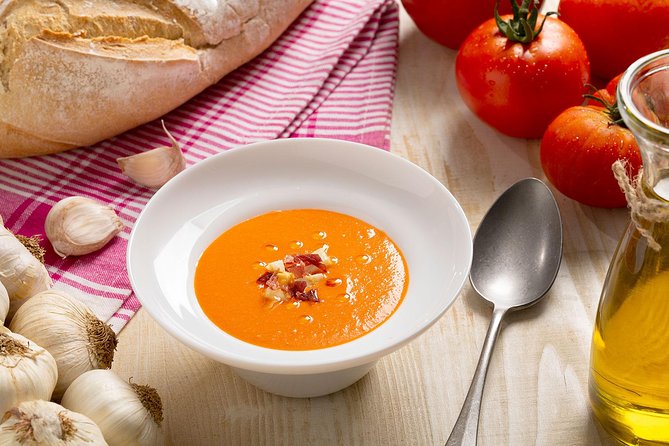
Sangria is included, made with fresh fruit and spices. It helps set the informal tone and gives the meal a natural Spanish touch. The description also refers to regional wines being paired with the food, so I would confirm the exact drink service if wine is important to you.
If you do not drink alcohol, the replacement is a soft drink rather than a specially prepared nonalcoholic sangria. That is worth knowing before booking, especially since the price includes a drink component. The class does not advertise a large range of alcohol-free options.
The meal comes after the cooking work, though you will likely taste or handle ingredients along the way. Sitting down to eat everything together is one of the strongest parts of the format. You see how the separate stations combine into a complete Spanish spread, and the meal gives you time to talk with the other participants.
The class is not designed for parties larger than five celebrating together. That rule helps preserve the cooking-school atmosphere. You can book as a couple, family, or small group, but this is not the place for a big birthday gathering or a rowdy private event.
Is $82.24 a fair price?
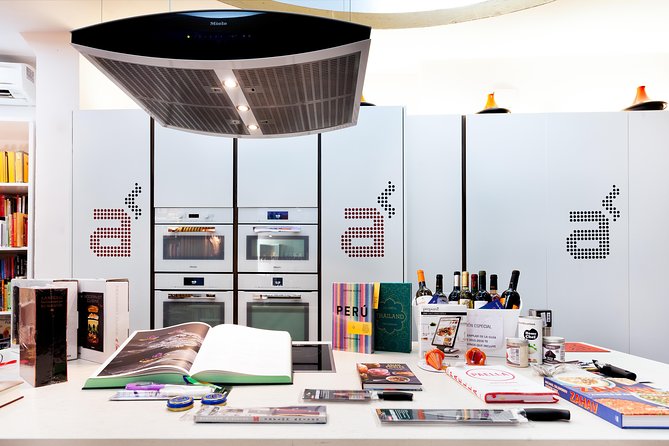
At $82.24 per person, this is not a budget meal. You could eat several basic tapas dishes in Madrid for less, and a person who only wants dinner may find the cost high.
The value improves if you count the full package: roughly two and a half hours, ingredients, instruction, up to ten dishes, a home-cooked dinner, sangria, and a souvenir apron. You are paying for an activity as well as food. The lesson also gives you techniques and recipes you can use after returning home, though you should ask whether printed recipes are supplied if that matters to you.
I think the price makes sense for a first visit to Madrid, a special afternoon, or a couple looking for a shared activity beyond sightseeing. It is less convincing for someone who has already taken several cooking classes or wants detailed one-on-one instruction.
The amount of food is a strong point. Each participant helps with only part of the meal, but everyone eats the complete selection. Some groups have also left with extra food, which makes the experience feel more substantial than a small tasting.
Timing, meeting point, and practical planning
The class begins at 4:00 pm at C. de la Farmacia, 6, in Madrid’s Centro area. It ends back at the same meeting point, so you do not need to arrange a separate ride after dinner.
The location is near public transportation, but hotel pickup and drop-off are not included. Plan your route in advance and allow enough time to find the cooking school. A mobile ticket is accepted, and confirmation arrives when you book.
The minimum age is 14. Participants aged 18 and older may drink alcohol. If you have dietary restrictions, tell the provider when booking. The menu is not fully adapted to special diets, and there is no completely vegetarian version, although almost half of the proposed tapas are vegetarian.
That distinction matters. A vegetarian participant may have several suitable dishes, but should not assume every course can be changed. The same advice applies to allergies and other restrictions. Ask before paying if your diet is central to the decision.
Service animals are allowed. The activity has a maximum of 15 participants, which is small enough for access to the chef but large enough that you will share tasks rather than receive constant individual attention.
Free cancellation is available up to 24 hours before the 4:00 pm start time. Inside that window, changes and refunds are not accepted. The activity also requires a minimum number of participants, so a cancellation by the provider would lead to another date or a full refund.
Who will enjoy this cooking class most?
I would choose this for you if you like eating local food but want more context than a restaurant meal provides. It is also a good option for solo visitors, since the group setup gives you an easy way to meet people without needing to arrange company.
Couples can share the work and turn the class into a relaxed date. Families can book it with teenagers aged 14 or older, though younger participants should be comfortable with a busy kitchen and group instructions.
Food lovers who want a precise, quiet lesson should set their expectations differently. You may only prepare one station in depth, and the instructor must move quickly to cover the full menu. The class is best for people who value variety, conversation, and a big shared meal over mastering ten recipes individually.
I also like it as a rainy-day plan or as a break from museums and monuments. It gives you a practical connection to Spanish food culture and leaves you with dishes you can recognize on menus across Madrid.
Should you book the 10 Tapas Cooking Class?
Book it if you want a social Madrid activity with plenty to eat and a broad introduction to Spanish tapas. Gustavo, Gus, Rosa, and the support team bring the energy needed to keep a large menu moving, while the small-group limit gives you a real chance to take part.
Go in knowing that this is cooperative cooking. You will help make the meal, not independently prepare ten complete tapas. I would also contact A Punto Cooking School before booking if you need a fully vegetarian, alcohol-free, or allergy-adjusted menu.
For most food-focused visitors, the combination of instruction, sangria, dinner, and practical recipes makes the $82.24 price reasonable. It is a good choice when you want to leave Madrid with more than photographs and restaurant memories. You leave having cooked the meal yourself.
FAQ
Where does the cooking class start?
The class starts at C. de la Farmacia, 6, Centro, 28004 Madrid, Spain. It ends at the same meeting point.
What time does the class begin?
The start time is 4:00 pm. The activity lasts approximately two hours and 30 minutes.
How many people can join the class?
The class has a maximum of 15 participants.
Is sangria included?
Yes. Homemade sangria with fresh fruit and spices is included. Participants who do not drink alcohol receive a soft drink as the listed replacement.
Is there a vegetarian menu?
There is no fully vegetarian option for the complete menu, although almost half of the proposed tapas are vegetarian. You should provide dietary requirements when booking, but the entire menu is not adapted to special diets.
What is the minimum age?
The minimum age is 14. The minimum drinking age is 18.
Recently reviewed in Madrid
- Madrid: Flamenco Show with Tapas and Wine Tour★ 4.9 · 66 reviews
- Madrid by Night: Vintage Bike Tour Highlights/Optional Tapas★ 4.8 · 68 reviews
- Toledo Tour with Tapas, Wine Tasting and Optional 3 Monuments★ 4.5 · 70 reviews
- Madrid: Guided Food Tour with Tapas Tastings and Drinks★ 4.8 · 72 reviews
- Madrid: Tapas, Taverns & History Tour★ 4.7 · 71 reviews
- Tasty Tapas & Drinks Tour with a Rooftop Included★ 5.0 · 82 reviews
- Madrid: Los Porches Flamenco Show with Tapas and Wine Ticket★ 4.7 · 84 reviews
- Personalised Traditional Madrid Night Tapas and Drinks Tour★ 5.0 · 95 reviews
Spanish Cooking Classes, compared.
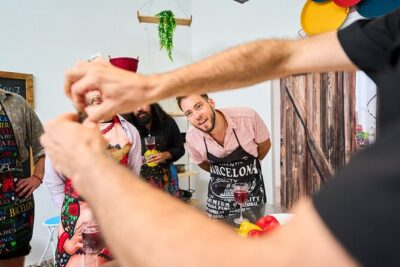
Barcelona Paella Cooking Class with Market Visit, Tapas & Sangria
Read our review →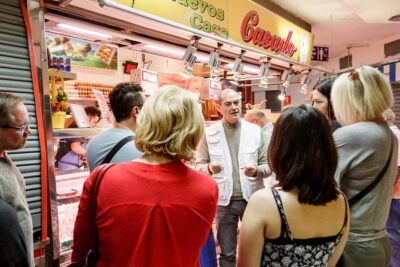
Spanish Cooking Class Paella Tapas and Sangria in Madrid
Read our review →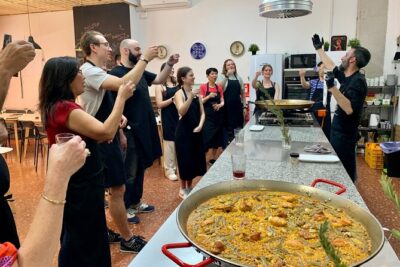
Valencian paella cooking class, tapas and visit to Ruzafa market.
Read our review →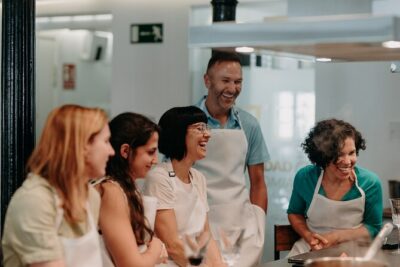
Madrid Tapas & Paella Cooking Experience with Local Market Visit
Read our review →
Taste of Spain: Tapas Cooking Class with Bottomless Wine Pairing
Read our review →
Alicante Paella Cooking Class, Tapas, Drinks and Marketplace
Read our review →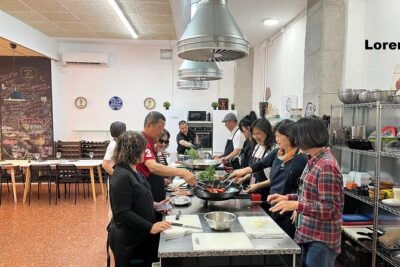
Seafood paella cooking class, tapas and visit to Ruzafa market.
Read our review →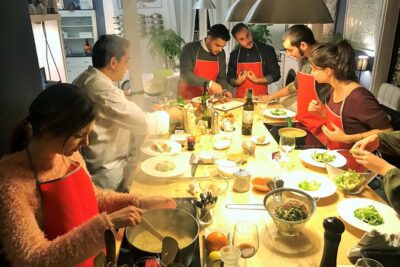
Premium Paella Cooking Class & 10 Spanish Tapas
Read our review →Browse the lists this tour appears in