REVIEW · PAELLA COOKING CLASSES
Madrid Tapas & Paella Cooking Experience with Local Market Visit
Madrid’s best cooking lessons begin before anyone turns on the stove. This 3.5-hour experience starts at Mercado de Antón Martín, where you see the everyday food culture of central Madrid before carrying market ingredients into a professional kitchen in the Huertas neighborhood.
I like the market visit because it gives the cooking class a real local setting, not just a lesson in a sealed-off room. I also like the small group limit of 12, plus the welcome drink, lunch, dessert, beer, and wine included in the price. The main thing to consider is that the class may be more collaborative than personal. You might chop and stir shared dishes rather than prepare your own complete paella from start to finish.
Key points at a glance
- Start with a century-old neighborhood market: Meet at Plazuela de Antón Martín and explore the food stalls where local residents shop.
- Cook classic Spanish dishes: The menu includes tapas, homemade croquetas, patatas bravas with two sauces, and paella.
- Eat what you prepare: The class ends with a sit-down lunch, seasonal fruit, and a choice of beer or wine.
- Small group format: The class accepts no more than 12 people, which keeps the kitchen fairly manageable.
- English-speaking instruction: Guides including Andrea, Daniel, Danielle, and Arantxa have led sessions with humor, stories, and practical cooking advice.
- Plan around dietary limits: Vegetarian, pescatarian, gluten-free for non-celiac diners, non-alcoholic, and pregnancy-friendly options can be arranged, but vegan, celiac, and lactose-intolerant diets are not accepted.
Starting at Antón Martín Market
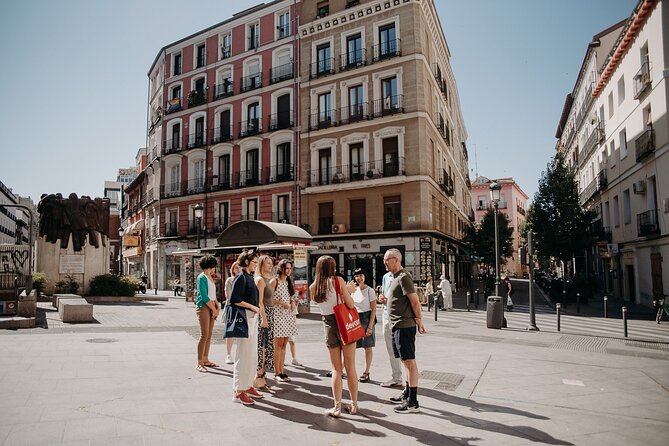
You meet at 10:30 am at Plazuela de Antón Martín, in Madrid’s Centro district. This is a useful starting point for a food experience because the market is not merely a tourist stop. It has served the neighborhood for more than a century and still functions as a place to buy everyday Spanish ingredients.
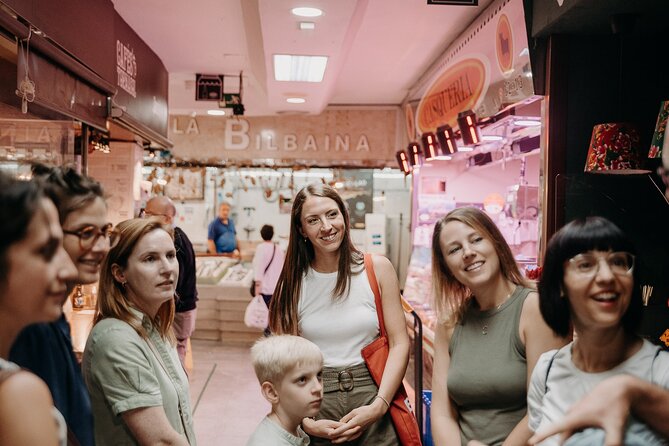
Your guide takes you inside and explains the products that form the base of Spanish cooking. You might see the fresh items selected for the class, learn how they are used, and speak with vendors while the group gathers what it needs for lunch.
That short shopping visit adds context that a standard cooking class often misses. Instead of hearing about Spanish food in the abstract, you can connect the finished dishes to the ingredients and the people who sell them. It also gives you a quick introduction to Madrid’s market culture without requiring a separate food tour.
Do not expect a long, open-ended market expedition. The visit is part of a tightly timed experience, and the group needs to get to the kitchen for the class. Still, it is enough to give you a feel for the neighborhood and help you understand what goes into the meal.
More Paella Cooking Classes in Madrid
- Spanish Cooking Class Paella Tapas and Sangria in Madrid
★ 5.0 · 1,340 reviews - Madrid: Paella & Sangria Classes- Seafood, Chicken & Vegan option
★ 5.0 · 265 reviews - Tapas & Paella Cooking Class in Madrid with a Professional Chef
★ 5.0 · 177 reviews
From vermouth to the Huertas kitchen
After the market, you head to Ferretería Restaurante in Madrid’s Huertas neighborhood. The cooking takes place in a private space behind the restaurant, set aside for the small group.
The class begins with a traditional aperitivo: sweet vermouth served with products from the market. This is a very Spanish way to start lunch, and it sets the tone better than a quick introduction followed by immediate chopping.
The kitchen is described as clean and attractive, and the setting feels more polished than a basic demonstration room. That matters because you spend several hours there, first preparing food and then sitting down to eat it.
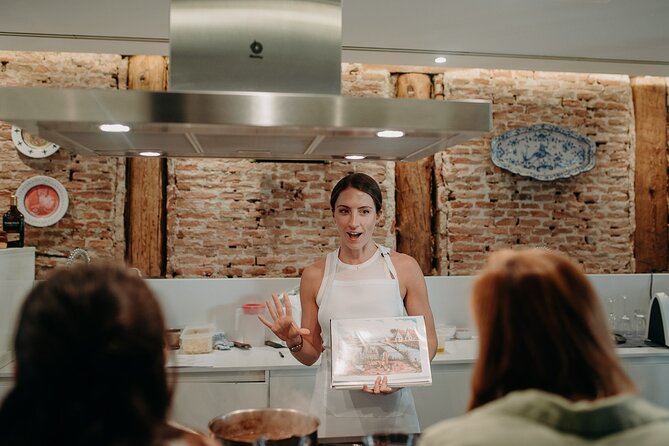
The English-speaking guide leads the group through the recipes and techniques. Past sessions have been led by Andrea, Daniel, Danny, Danielle, and Arantxa. The exact guide is not guaranteed, but the strongest accounts highlight guides who mix food instruction with stories, humor, and background on Spanish cooking.
Arantxa, for example, was praised for her humor and grasp of Spanish culinary traditions. Andrea has been noted for making the market and cooking session feel like one connected cultural experience. Daniel and Danielle have also been singled out for clear instruction and energetic hosting.
What you actually cook
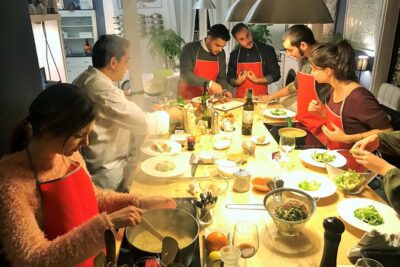
The menu centers on familiar Spanish dishes rather than obscure restaurant tricks. You prepare tapas, homemade croquetas, patatas bravas with two homemade sauces, and paella.
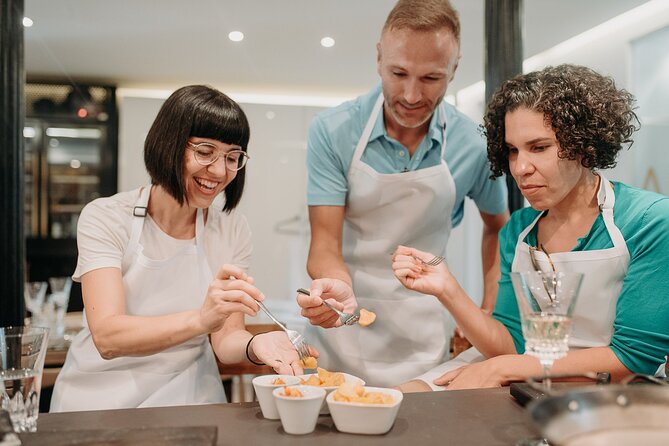
Croquetas are especially useful to learn because they reveal a Spanish cooking method you can adapt at home. The same is true of patatas bravas. The potatoes are only part of the dish, and the two sauces show how a few well-made accompaniments can change a simple ingredient.
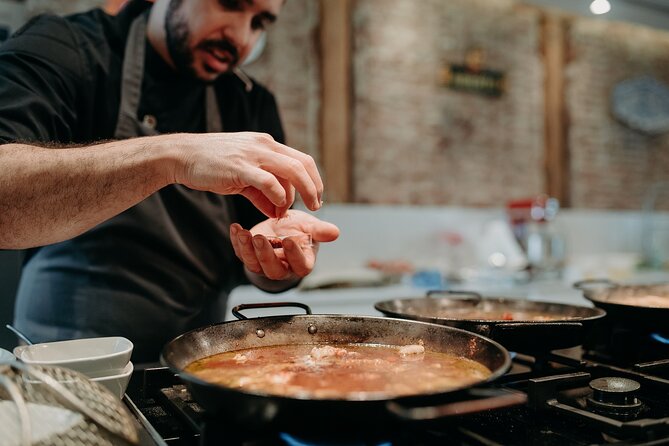
Paella provides the main event. It is also the dish most likely to attract people to this experience, so it is worth being clear about the format. You participate in the preparation, but you may not personally make an entire paella from beginning to end. One account found the class too formal and wished the food had been divided between pairs or smaller teams.
That is the main tradeoff. A shared kitchen makes the class social and helps the guide control timing, heat, and food safety. It also means your hands-on time may vary. You could spend part of the session chopping, stirring, or assisting with shared preparations rather than owning one dish.
If your main goal is to master paella independently, ask for the recipes and pay close attention to the guide’s techniques. One participant left without receiving the recipes and had to request them afterward. Recipes are normally sent after class, but it is sensible to confirm that you have them before leaving.
A social lunch, not just a demonstration
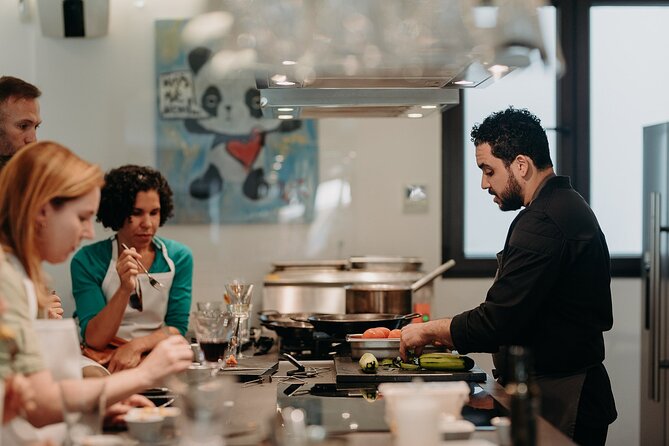
Once the cooking is finished, you sit down to eat the meal with the group. Lunch includes the food prepared during the class, seasonal fruit from the market for dessert, and drinks such as beer or wine.
The amount of food is generous, so arrive hungry. The meal is not a tiny tasting menu after a cooking demonstration. It is intended to function as lunch, and the aperitif comes before it.
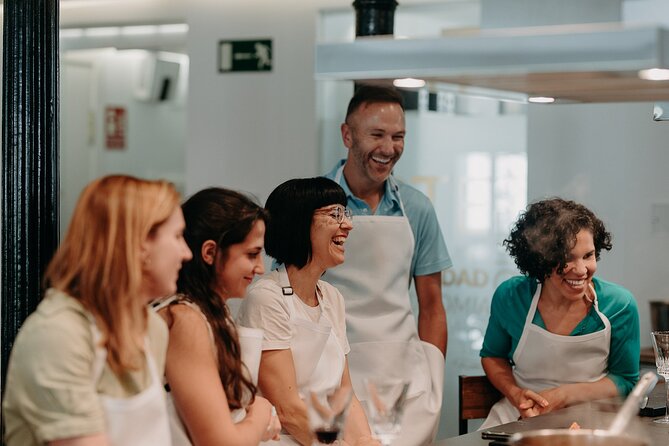
The shared format is part of the appeal. Cooking in a small group gives you an easy reason to talk with people you did not know before the class. Several highly positive accounts emphasize the pleasure of meeting new companions as much as the food itself.
The social side can also soften the less personal parts of the cooking. If you are not assigned your own dish, you still get a shared meal and a chance to compare techniques, ask questions, and enjoy the food together.
One practical point deserves attention: at least one participant felt the paella was removed before there was time to finish eating. If you want to keep eating or ask about taking leftovers, say so clearly before plates are cleared. The experience is designed around a group meal, so the kitchen may follow a fixed schedule.
More Spanish Cooking Classes in Madrid
- Taste of Spain: Tapas Cooking Class with Bottomless Wine Pairing
★ 5.0 · 414 reviews - Madrid: 10 Tapas 2.5-Hour Cooking Class
★ 4.7 · 222 reviews - 10 Tapas Cooking Class Experience in Madrid with Sangria
★ 5.0 · 137 reviews
How much value you get for $114.93
At $114.93 per person, this is not the cheapest way to eat lunch in Madrid. You can find excellent tapas for far less, and a market visit on its own costs little or nothing.
The price makes more sense if you value the combination of four parts: a guided market visit, an aperitif, several hours of instruction, and a full meal with drinks and dessert. You are paying for an organized food activity, not simply for a plate of paella.
The small group limit also matters. With no more than 12 people, the guide has a reasonable chance to answer questions and keep the class moving. It is not a private lesson, but it should feel more controlled than a large cooking demonstration.
The value is strongest for people who want a cultural activity with lunch built in. You see where ingredients come from, learn methods you can repeat at home, and eat the result. It is weaker for someone who only wants an intense, one-on-one cooking lesson.
A private option is available when selected. That choice may be worth considering if you want a more personal format or are traveling with a group that prefers to cook together. The provided details do not specify the private option’s exact group size or added cost, so check those points before booking.
Dietary needs and age limits
The experience can adapt to vegetarians, pescatarians, people who need gluten-free food but do not have celiac disease, people choosing non-alcoholic drinks, and pregnant participants.
You must email the provider’s Guest Experience team after booking if you have dietary restrictions or allergies. Do not wait until the morning of the class. The kitchen needs time to arrange suitable ingredients.
The class is not suitable for vegans, people with celiac disease, or people with lactose intolerance. That is a firm limitation, not a minor menu adjustment.
Children under 12 cannot take part because the kitchen has sharp knives, hot stoves, and high surfaces. Families with older children may find the food and practical format appealing, but the safety rule still applies to anyone under 12.
Timing, meeting point, and getting there
The class begins at 10:30 am and lasts about three and a half hours. It ends back at the meeting point, so you should finish around 2 pm, allowing for normal variations in cooking and lunch service.
No transport is included. You make your own way to Plazuela de Antón Martín, which is near public transportation in central Madrid. This is useful if you are staying in or around Centro, but leave enough time to find the meeting point before the 10:30 start.
The timing works well for a day of sightseeing. You can spend the morning with food, finish with lunch, and continue exploring Madrid afterward. It is less convenient if you have a fixed midday museum reservation or an afternoon train, since the session includes both cooking and a sit-down meal.
The experience is offered in English. That makes it a practical choice if you want instruction without having to follow a technical cooking lesson in Spanish.
What the strongest parts deliver
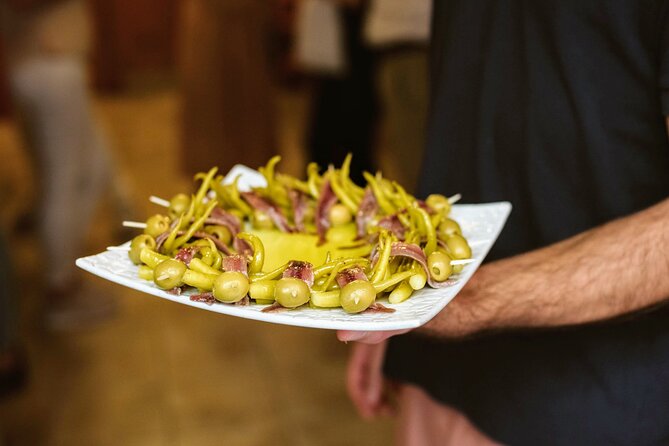
The most praised feature is the combination of instruction and personality. The best guides do more than recite recipes. They explain the food, add local stories, and keep the class moving with humor.
The food itself receives consistent approval. Paella, tapas, croquetas, and patatas bravas give you a useful sample of Spanish cooking rather than a single narrow dish. You also get to taste the results while they are fresh, which makes the lesson easier to remember.
The market visit is another strong point. Picking up ingredients before cooking gives the class a sense of place and helps you understand how Spanish meals begin. It also keeps the experience connected to Madrid rather than making it feel like a generic international cooking course.
The small group size is helpful, but do not confuse small group with private instruction. Your role may be hands-on for one part of the class and observational for another. If you need constant knife-in-hand work, this may not satisfy you.
Who should book this experience?
I would recommend it to first-time visitors who want a relaxed introduction to Spanish food and to couples or friends looking for a social activity beyond museums and monuments.
It also suits home cooks who want practical ideas they can use later. The techniques are presented as things you can recreate in your own kitchen, and the dishes are recognizable enough to make that realistic.
This is a good choice if you enjoy eating with new people and do not mind sharing tasks. The class has a communal feel, and the meal gives everyone a natural chance to talk.
I would be more cautious if you want a rigorous culinary course, a private chef lesson, or guaranteed control over every dish. The group format means your cooking time can be uneven. You should also choose another activity if you are vegan, have celiac disease, or cannot have lactose.
Free cancellation is available if you cancel at least 24 hours before the local start time. Changes or cancellations inside that window are not accepted for a refund.
Should you book the Madrid tapas and paella class?
Book it if you want to shop, cook, eat, and learn in one well-paced morning. The market visit gives the class a local anchor, the meal is substantial, and the guides can add the stories and technique that turn lunch into a Madrid memory.
Before paying, be realistic about the cooking format. You may not prepare your own full dish, and you should request or confirm the recipes before leaving. With that expectation in place, the $114.93 price is reasonable for a small-group experience that includes food, drinks, instruction, and dessert.
FAQ
Where does the Madrid cooking experience begin?
It begins at Plazuela de Antón Martín in Madrid’s Centro district, near Mercado de Antón Martín.
What time does the activity start?
The start time is 10:30 am.
How long does the experience last?
The experience lasts approximately 3 hours and 30 minutes.
What food will I prepare?
The class covers typical Spanish tapas, homemade croquetas, patatas bravas with two homemade sauces, and paella.
Are drinks and lunch included?
Yes. The experience includes a traditional aperitivo, drinks, enough food for lunch, and seasonal fruit for dessert. Beer or wine is available with the meal, along with non-alcoholic options when arranged.
Can the class accommodate dietary restrictions?
It can adapt to vegetarian, pescatarian, gluten-free for non-celiac diners, non-alcoholic, and pregnancy-related needs. It is not suitable for vegans, people with celiac disease, or people with lactose intolerance. Contact the Guest Experience team after booking to arrange ingredients.
More Market and Tapas Tours in Madrid
- Madrid: Ultimate Food Tour of Local Markets & Tapas
★ 4.8 · 151 reviews - Barcelona Paella Cooking Class with Market Visit, Tapas & Sangria
★ 5.0 · 2,531 reviews - Valencian paella cooking class, tapas and visit to Ruzafa market.
★ 5.0 · 828 reviews - San Sebastian Pintxo Food, Wine & Market Foodie Tour(Small Group)
★ 5.0 · 621 reviews
Recently reviewed in Madrid
- Madrid: Flamenco Show with Tapas and Wine Tour★ 4.9 · 66 reviews
- Madrid by Night: Vintage Bike Tour Highlights/Optional Tapas★ 4.8 · 68 reviews
- Toledo Tour with Tapas, Wine Tasting and Optional 3 Monuments★ 4.5 · 70 reviews
- Madrid: Guided Food Tour with Tapas Tastings and Drinks★ 4.8 · 72 reviews
- Madrid: Tapas, Taverns & History Tour★ 4.7 · 71 reviews
- Tasty Tapas & Drinks Tour with a Rooftop Included★ 5.0 · 82 reviews
- Madrid: Los Porches Flamenco Show with Tapas and Wine Ticket★ 4.7 · 84 reviews
- Personalised Traditional Madrid Night Tapas and Drinks Tour★ 5.0 · 95 reviews
Paella Cooking Classes, compared.
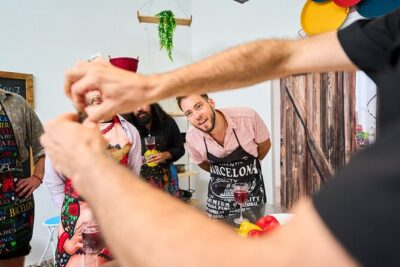
Barcelona Paella Cooking Class with Market Visit, Tapas & Sangria
Read our review →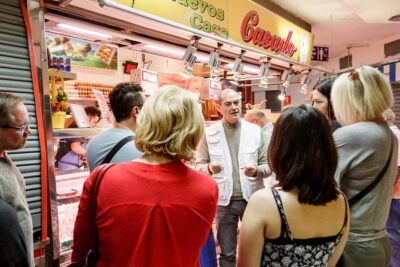
Spanish Cooking Class Paella Tapas and Sangria in Madrid
Read our review →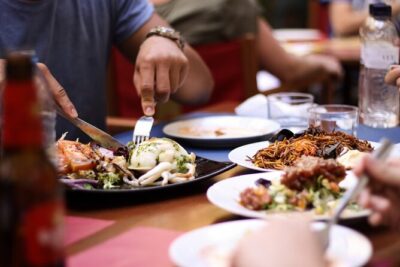
Barcelona Food Tour: Tapas, Paella, Sangria & 8+ Local Tastings
Read our review →
Valencian paella cooking class, tapas and visit to Ruzafa market.
Read our review →
Alicante Paella Cooking Class, Tapas, Drinks and Marketplace
Read our review →
Seafood paella cooking class, tapas and visit to Ruzafa market.
Read our review →
Evening Guided Paella Workshop, Tapas, and Drinks
Read our review →