
REVIEW · SPANISH COOKING CLASSES
Madrid: 10 Tapas 2.5-Hour Cooking Class
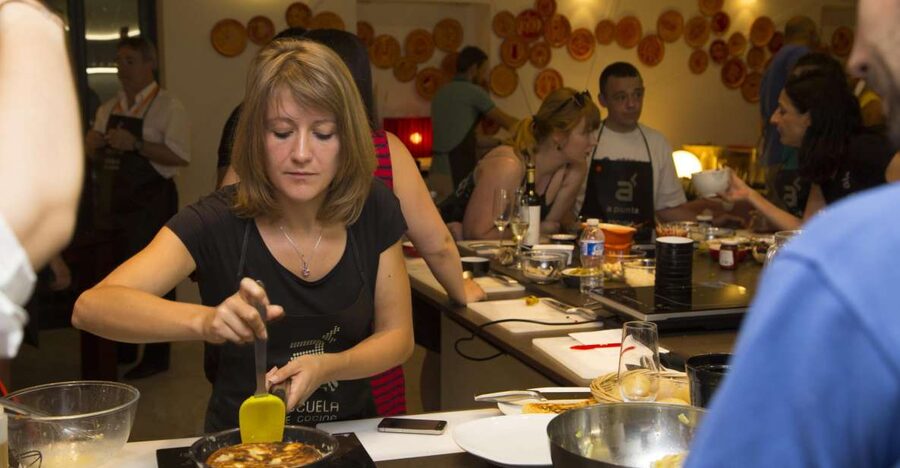
Madrid’s best cooking classes do more than show you how to chop an onion. This one turns Spanish food into a small tour of the country, from Basque gilda skewers with peppers and anchovies to Catalan pan tumaca, the simple tomato-topped bread known elsewhere as pan con tomate. You prepare 10 tapas, then sit down to eat the lot with sangría.
I like the lively team format, where you work in groups of three or four rather than watching a chef do all the work. I also like the practical souvenir: a copy of the recipes and an apron you can use at home. The main caution is that you will not personally cook every dish. Several tapas are made at once, so a large class can spread the chef’s attention thin.
Key points at a glance
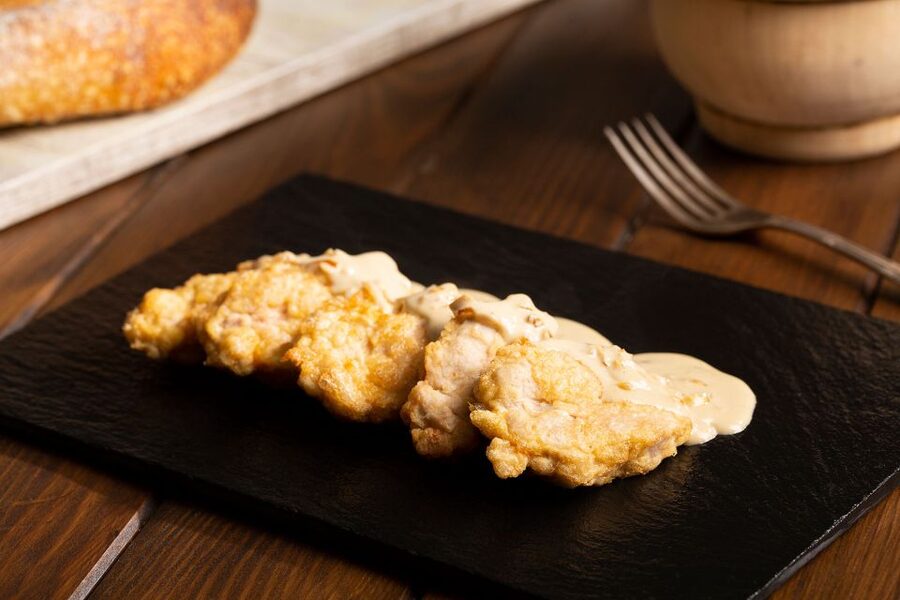
- Ten tapas from across Spain: The menu uses small dishes to introduce regional ingredients, techniques, and food customs.
- Hands-on work in small teams: You cook in groups of three or four, with tasks shared among the class.
- A full meal is included: You eat the finished dishes together and receive Spanish sangría.
- English instruction: Chefs including Gustavo, Homer, Omero, Diego, and others have led classes, depending on the session.
- Useful take-home gifts: You receive the recipes and a souvenir apron.
- Best for adults and older teens: No children under 14 are allowed, and the class takes place in a fully equipped kitchen.
A small Spanish food tour in a Madrid kitchen
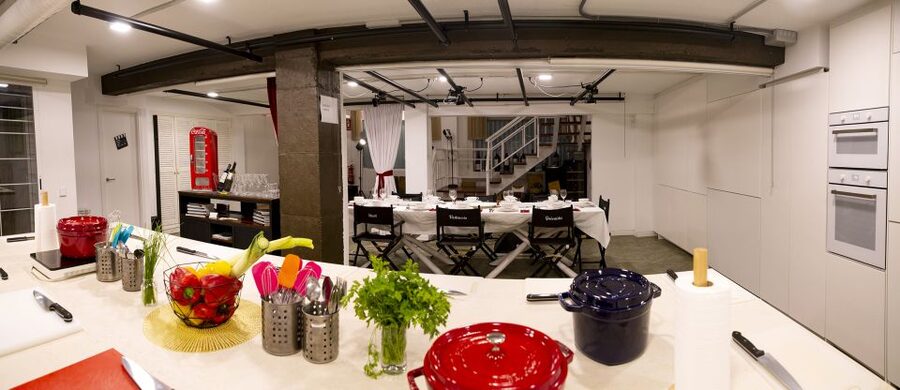
A Punto Cooking School presents this as a cooking class, but the format feels like a compact food tour. Instead of focusing on one famous dish, you move across Spain through a series of small plates. That gives you a better sense of how varied Spanish cooking can be.
The food is not treated as a collection of random bar snacks. Each tapa connects to a region or tradition. Gilda, made with pepper and anchovy on a skewer, comes from the Basque Country. Pan tumaca brings in Catalonia, where ripe tomato, bread, olive oil, and seasoning make a simple but satisfying combination.
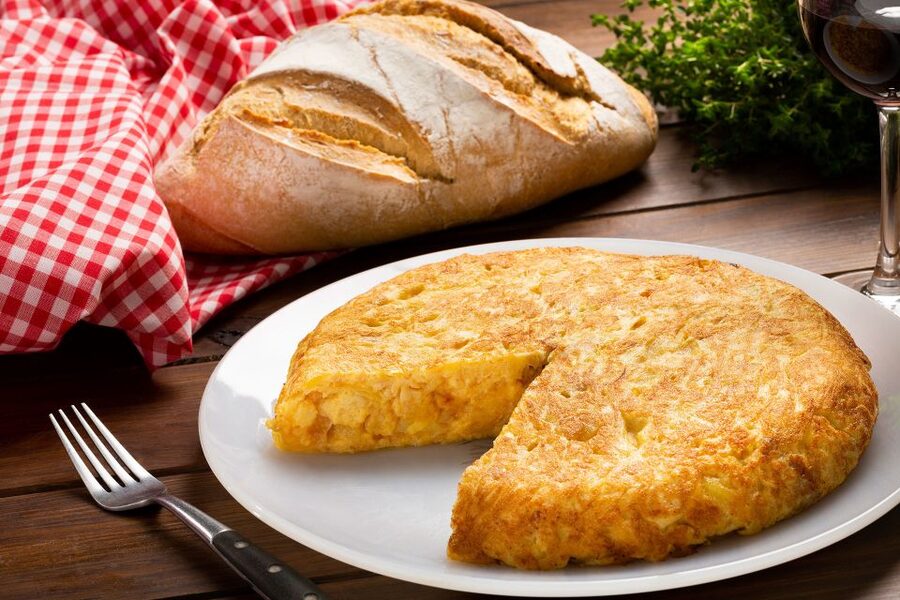
You can also expect classic Spanish preparations such as tortilla española, the potato omelette that looks easy until you try to get the texture right. One class participant especially enjoyed learning the proper way to make it. That is the sort of useful lesson you can carry into your own kitchen, unlike a decorative garnish you will never bother making again.
The class is taught in English, and the chef explains both technique and food culture. Some instructors have also shared family cooking traditions, restaurant suggestions, and the background of the dishes. Gustavo has been praised for his humor and clear teaching, while Homer, Omero, Diego, Eosa, and Anette have also led sessions at different times. Your instructor may vary, but the format is built around an engaged chef rather than a silent demonstration.
More Spanish Cooking Classes in Madrid
- Spanish Cooking Class Paella Tapas and Sangria in Madrid
★ 5.0 · 1,340 reviews - Madrid Tapas & Paella Cooking Experience with Local Market Visit
★ 5.0 · 432 reviews - Taste of Spain: Tapas Cooking Class with Bottomless Wine Pairing
★ 5.0 · 414 reviews
What happens during the 2.5 hours
The class begins outside A Punto Cooking School at Calle de la Farmacia, 6. The meeting point is at street level outside the shop, not inside the building, so do not wander into the entrance looking for the group. Transportation is not included, but the central location makes this easy to fit into a Madrid sightseeing day.
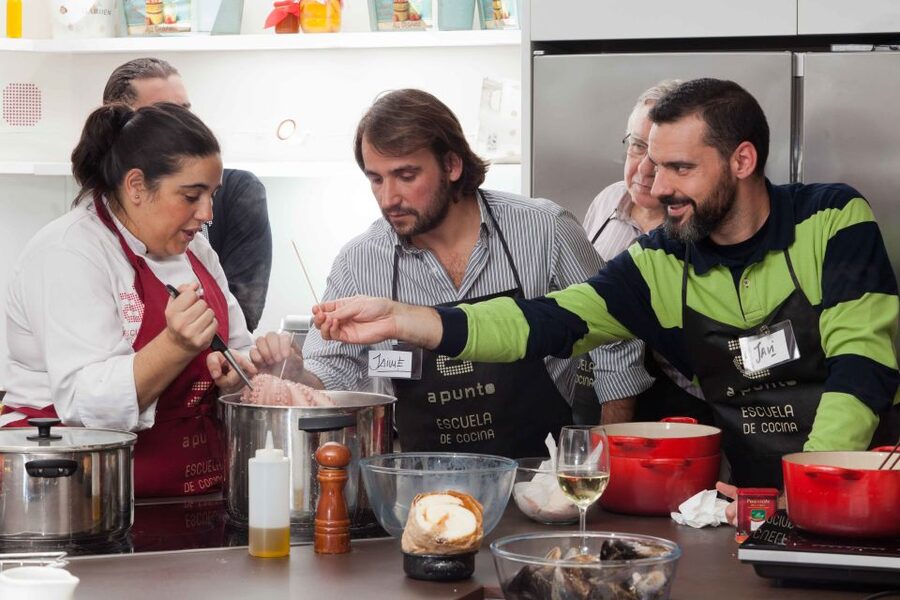
Once inside the fully equipped kitchen, the chef introduces the dishes and divides the work. You do not prepare all 10 tapas alone. Instead, groups of three or four handle different tasks while the rest of the class works on other recipes.
This shared setup has two clear benefits. First, you can produce a broad menu in only two and a half hours. Second, the class quickly becomes social. You are chopping, stirring, assembling, and passing ingredients with people from several countries, which gives the evening a friendly rhythm.
The tradeoff is worth understanding before booking. Since many dishes are prepared at the same time, you may be busy with your own assignment while the chef explains another recipe. One participant found it hard to follow every detail when all the tapas were being made together. If your main goal is a formal lesson in each individual dish, this may feel too quick.
The chef usually keeps the class moving by assigning clear jobs. Still, in a larger group, you may need to ask questions rather than wait for the instructor to reach you. A past class had about 16 people, while another session had 12. The working groups remain small, but the full room can feel more crowded than the word small-group suggests.
The tapas: regional ideas in small portions
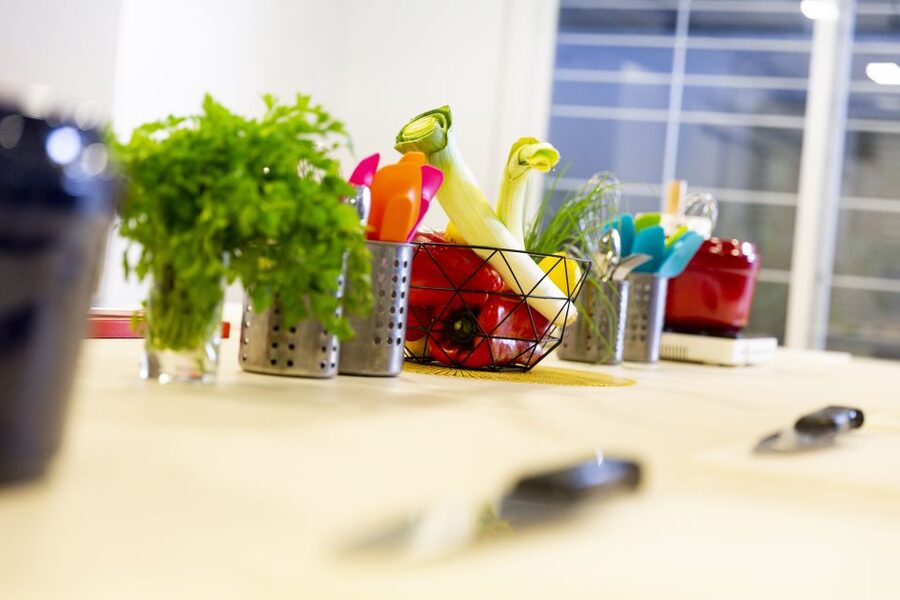
The menu is the heart of the class. Ten tapas may sound like a lot for one evening, and it is. You get a broad sample rather than a long lesson on one recipe.
Gilda is a particularly good choice for teaching regional character. Its pepper and anchovy combination is salty, sharp, and direct. It also shows how a few strong ingredients can create a complete bite without complicated cooking.
Pan tumaca offers a useful contrast. It is familiar, inexpensive, and built around good ingredients rather than technical tricks. You learn how bread, tomato, olive oil, and seasoning can work together, and you gain a dish that is easy to recreate for breakfast, a snack, or a casual dinner.
The tortilla lesson gives you a more substantial technique to take home. The class also includes a mix of vegetarian dishes, with about half the menu suitable for vegetarians. That makes the experience easier for people who want a meat-light introduction to Spanish food.
There is an important limitation: the plates cannot be changed. A vegetarian option is available, but you should not expect the chef to redesign the menu around individual preferences. The supplied information also does not promise a separate allergy menu. If you have allergies or strict dietary needs, contact the provider before booking and explain exactly what you cannot eat.
The food is prepared collectively, so the final meal reflects the work of the whole room. You may make one dish directly and help with another, then taste everything at the table. This is a good way to understand tapas as a social meal rather than a lineup of isolated recipes.
Sitting down to eat what you made
After the kitchen work, the class shifts to the table. You eat the tapas together and receive sangría as part of the meal. This final stage matters because it gives the cooking a purpose. You are not packing up after a demonstration or taking one small sample before leaving.
The meal also lets you compare the different dishes and talk with the people who prepared them. Several class descriptions point to a relaxed atmosphere, plenty of conversation, and a group that becomes more comfortable as the evening goes on. In some sessions, people were still exchanging contact details at the end.
Sangría is included, but wine is not. If you prefer wine with your tapas, one class participant suggested buying a bottle separately. That cost is yours, and the activity price does not cover transportation or other drinks.
The amount of food appears generous. One participant described leaving with plenty to eat, while others treated the final meal as one of the best parts of the class. Since the exact menu and portions may vary, think of it as a substantial shared dinner rather than a carefully plated restaurant tasting.
Same streets, a different round:
- Madrid Tapas & Wine Tasting Walking Tour – Small Group Local Bars
★ 5.0 · 3,644 reviews - Madrid Tapas & Taverns Small Group Food & History Tour
★ 5.0 · 2,664 reviews - Madrid: Small Group of Prado Museum Tour & Optional Tapas
★ 4.6 · 2,437 reviews - Madrid: Tapas & Wine Tasting Tour with Local Guide
★ 4.8 · 2,171 reviews
The chef makes the difference
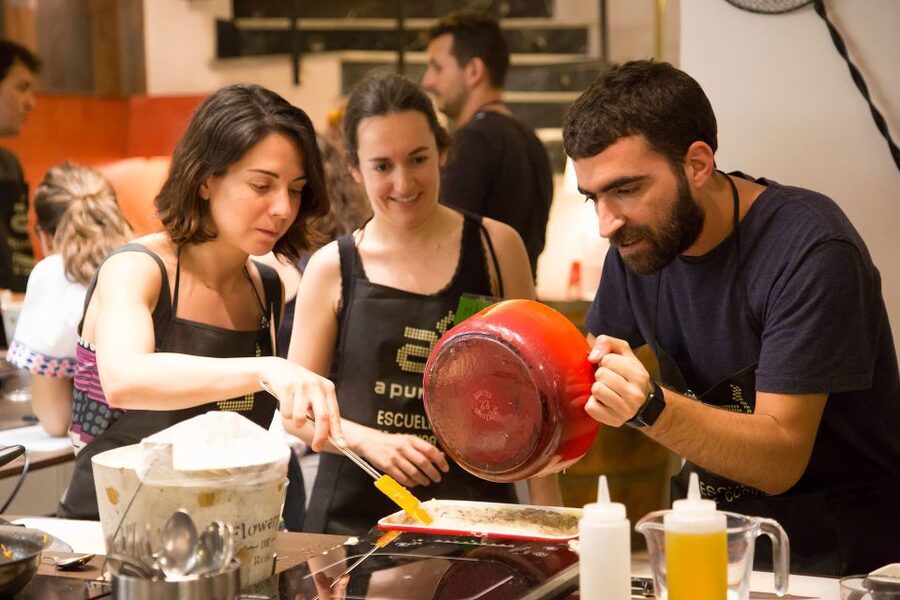
A cooking class lives or dies by its instructor. The strongest part of this experience is the human side of the teaching.
Gustavo has led sessions described as warm, funny, organized, and attentive. He has remembered names, answered questions, explained cultural details, and helped break the ice between people who arrived as strangers. Other sessions were led by Homer or Omero, with similar praise for their humor, clear instructions, and ability to keep the class moving.
That does not mean every minute will be private instruction. The chef has to manage several dishes and multiple teams. You will get the most from the class if you stay engaged, ask questions, and pay attention during the demonstrations even when your own station is quiet.
The teaching also reaches beyond recipes. You may hear about the origins of a dish, the role food plays in Spanish culture, and family methods that do not usually appear in a cookbook. This context is useful because it explains why these dishes belong together and how they are eaten in Spain.
The experience is conducted in English. No previous cooking experience is required, so you do not need to know knife technique or Spanish food vocabulary before arriving.
Is $80 a fair price?
At $80 per person, this is not the cheapest way to eat tapas in Madrid. You could order several small plates in a bar for less, especially if you share carefully. But a tapas bar does not give you a professional chef, a fully equipped kitchen, hands-on instruction, a full shared meal, sangría, recipes, and an apron.
I see the price as reasonable for someone who values an activity as much as dinner. You are paying for two and a half hours of structured time, food, instruction, and a social setting. The recipes and apron add some lasting value, though you should not book solely for the gifts.
The value is strongest for couples, solo visitors, and friends who want a break from museum visits and restaurant tables. It is also a good choice if you plan to cook Spanish food at home. The menu is broad enough to give you several recipes, not just one dish to practice.
The value is weaker if you only want to eat, if you dislike group activities, or if you expect to personally prepare every tapa from start to finish. In that case, a market visit or tapas crawl may suit you better.
Practical details before you book
Plan to arrive at the street-level shop at Calle de la Farmacia, 6. The instructions specifically say to meet outside, not inside the building. Check the available starting time when booking, since the class schedule can vary.
The class lasts 2.5 hours, so it fits well into an afternoon or evening. Avoid scheduling something that requires you to leave early. The final meal is part of the experience, and rushing away would cut short the most social section.
Baby strollers and baby carriages are not allowed, and smoking and audio recording are prohibited. Children under 14 cannot attend. The setting is a working kitchen, so wear clothes you do not mind cooking in, though the provided apron should protect you from most splashes.
The activity offers free cancellation up to 24 hours before the start time, and you can reserve now and pay later. That is useful when you are still adjusting a Madrid itinerary.
Who will enjoy this class most?
I would choose this for people who like food with a story and do not mind sharing the work. It suits first-time visitors who want an introduction to Spanish cuisine, as well as experienced home cooks looking for regional ideas.
Solo visitors should consider it carefully, but the group format makes it easy to meet people. The chef helps start conversations, and the shared meal gives everyone a natural reason to talk.
Vegetarians have a workable option because around half of the menu is vegetarian. Still, the dishes cannot be swapped, so this is not the right class for someone with a very narrow diet.
Older families can attend if everyone is at least 14. The no-younger-children rule keeps the class aimed at adults and older teens, which helps maintain the pace in the kitchen.
Should you book the Madrid tapas cooking class?
Book it if you want to cook, eat, and learn in the same evening. The class offers a wide look at Spanish tapas, a friendly group setting, a professional English-speaking chef, and enough food to make the $80 price reasonable for an activity-based meal.
Go in knowing that you will work as part of a team, not complete every recipe alone. If you want detailed instruction on all 10 dishes, a large session may leave you wanting more. If you are happy to share tasks and enjoy the energy of a communal kitchen, A Punto Cooking School offers a memorable and practical way to meet Spanish food from the inside.
FAQ
How long does the cooking class last?
The class lasts 2.5 hours.
How much does the class cost?
The listed price is $80 per person.
Where does the class meet?
Meet outside the A Punto shop at Calle de la Farmacia, 6, at street level. Do not go inside the building to find the meeting point.
Is transportation included?
No. Transportation is not included.
What language is the class taught in?
The class is taught in English.
Do I need cooking experience?
No previous cooking experience is required.
Will I personally make all 10 tapas?
No. You work in small groups of three or four, and the class divides the cooking tasks among participants.
Is a vegetarian meal available?
Yes. About half of the menu is vegetarian. The plates cannot be changed.
What is included with the meal?
The meal and Spanish sangría are included. Wine is not included.
Are children allowed to attend?
Children under 14 are not allowed to participate.
What do I take home?
You receive a souvenir apron and a copy of the recipes prepared during the class.
Can I cancel for a refund?
You can cancel up to 24 hours in advance for a full refund. You can also reserve now and pay later.
Recently reviewed in Madrid
- Madrid: Flamenco Show with Tapas and Wine Tour★ 4.9 · 66 reviews
- Toledo Tour with Tapas, Wine Tasting and Optional 3 Monuments★ 4.5 · 70 reviews
- Madrid by Night: Vintage Bike Tour Highlights/Optional Tapas★ 4.8 · 68 reviews
- Madrid: Guided Food Tour with Tapas Tastings and Drinks★ 4.8 · 72 reviews
- Madrid: Tapas, Taverns & History Tour★ 4.7 · 71 reviews
- Tasty Tapas & Drinks Tour with a Rooftop Included★ 5.0 · 82 reviews
- Madrid: Los Porches Flamenco Show with Tapas and Wine Ticket★ 4.7 · 84 reviews
- Personalised Traditional Madrid Night Tapas and Drinks Tour★ 5.0 · 95 reviews
Spanish Cooking Classes, compared.
Barcelona Paella Cooking Class with Market Visit, Tapas & Sangria
Read our review →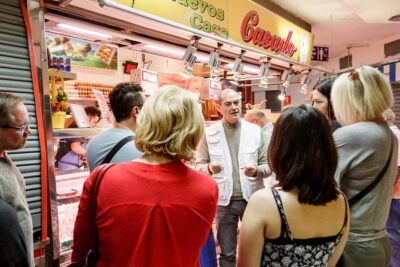
Spanish Cooking Class Paella Tapas and Sangria in Madrid
Read our review →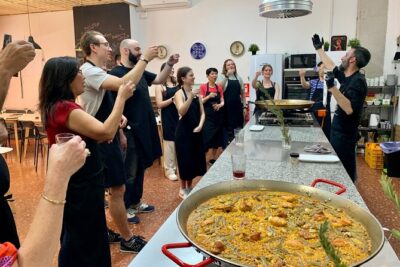
Valencian paella cooking class, tapas and visit to Ruzafa market.
Read our review →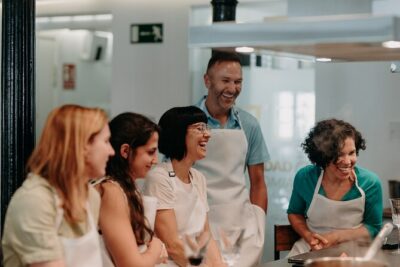
Madrid Tapas & Paella Cooking Experience with Local Market Visit
Read our review →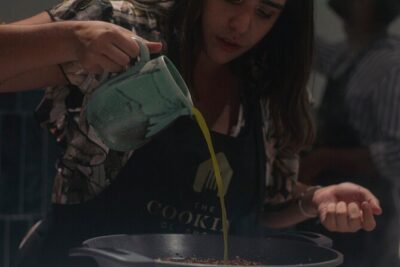
Taste of Spain: Tapas Cooking Class with Bottomless Wine Pairing
Read our review →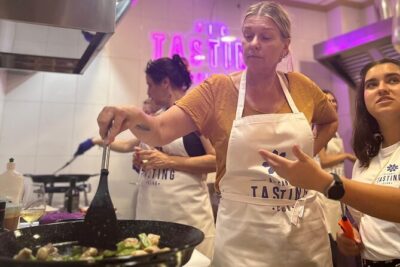
Alicante Paella Cooking Class, Tapas, Drinks and Marketplace
Read our review →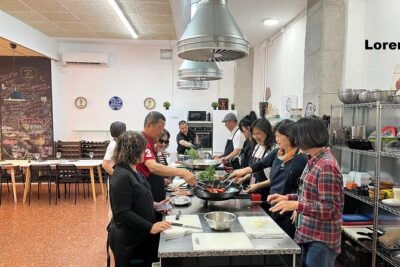
Seafood paella cooking class, tapas and visit to Ruzafa market.
Read our review →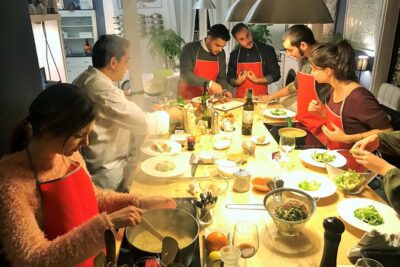
Premium Paella Cooking Class & 10 Spanish Tapas
Read our review →Browse the lists this tour appears in