
REVIEW · SPANISH COOKING CLASSES
Authentic Tapas Cooking Class at a Private Eatery in Madrid
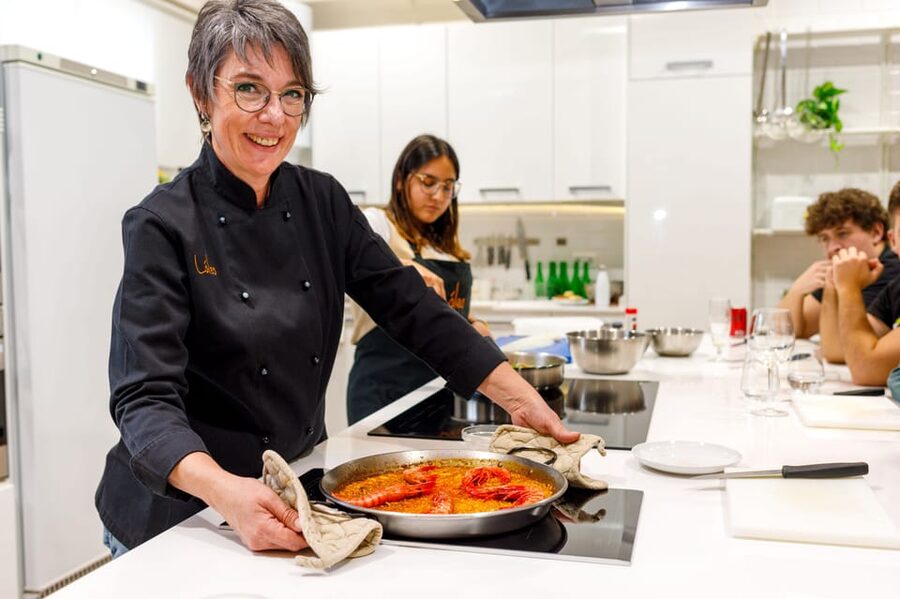
Madrid’s tapas culture makes more sense when you are holding a pan, shaping a croquette, or stirring a paella instead of simply ordering another plate at a bar. This hands-on cooking class brings you into a private eatery near Pacífico Metro, where a professional chef explains the food while you prepare and eat it.
I like two things here. First, the menu covers several very different Spanish preparations, from ham croquettes and Russian salad to black-ink squid paella and ajoarriero cod. Second, the small group of no more than 10 people gives you time to ask questions, talk with the chef, and taste your work with local wine. The main consideration is that the menu can change with seasonal ingredients or the chef’s ideas, so you should not book expecting every listed dish to appear.
Key points to know before booking
- You cook a full meal, not just one sample dish: The class can include croquettes, paella, Russian salad, and cod.
- Chef Lola may lead the class: One detailed account describes her as attentive, flexible, and generous with explanations.
- The meal includes local wine, water, and coffee: Wine accompanies the food, with tea and coffee also served in at least one class.
- The setting is close to Pacífico Metro: Line 1 puts you about two minutes from the meeting point.
- Dietary needs need advance notice: Vegetarian requests and dislike of bell peppers were accommodated in one class, but you should communicate restrictions before arrival.
- It lasts 3.5 hours: This is a relaxed food activity, not a quick cooking demonstration.
Why this Madrid cooking class works
I see this as a good choice for you if you want more than a guided tasting. The point is not simply to eat Spanish food. You learn how several familiar tapas are built, then sit down to enjoy the results as a proper meal.
That matters in Madrid, where tapas can look simple on the plate but often depend on small choices: the texture of a croquette filling, the seasoning of a salad, the timing of rice, or the balance in a cod dish. A chef can explain those details as they come up. You would have a harder time picking them up by ordering separate dishes around town.
The class is taught in English and welcomes beginners. You do not need previous cooking experience. Bring appetite and a willingness to take part, since this is designed as a practical session rather than a demonstration where you sit and watch.
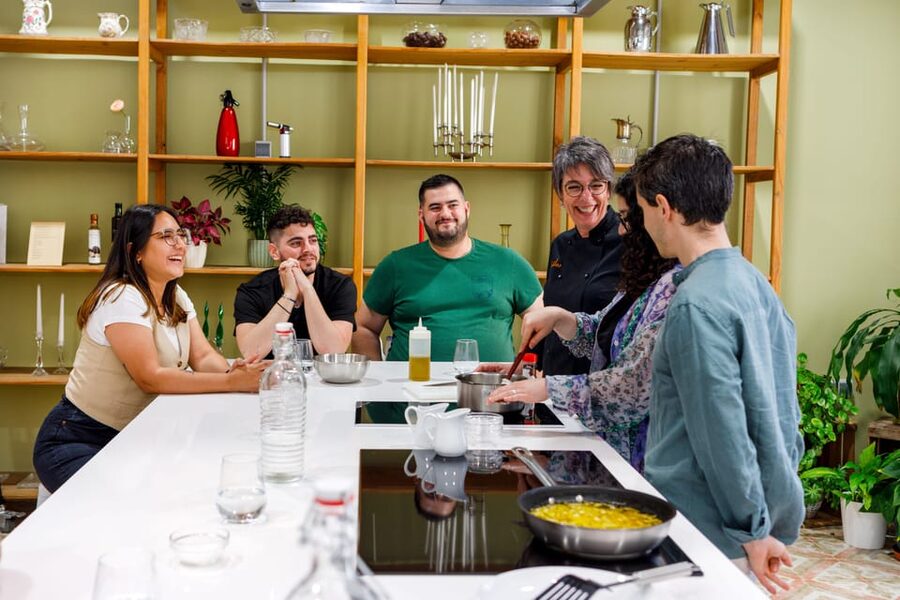
The social side is also part of the value. You cook beside a limited number of other people, then share the finished dishes with wine. That gives the class a more relaxed dinner-party feel than a formal lesson, though the experience may not suit you if you prefer a quiet meal or a tightly fixed menu.
More Spanish Cooking Classes in Madrid
- Spanish Cooking Class Paella Tapas and Sangria in Madrid
★ 5.0 · 1,340 reviews - Madrid Tapas & Paella Cooking Experience with Local Market Visit
★ 5.0 · 432 reviews - Taste of Spain: Tapas Cooking Class with Bottomless Wine Pairing
★ 5.0 · 414 reviews
Arriving at the private eatery near Pacífico

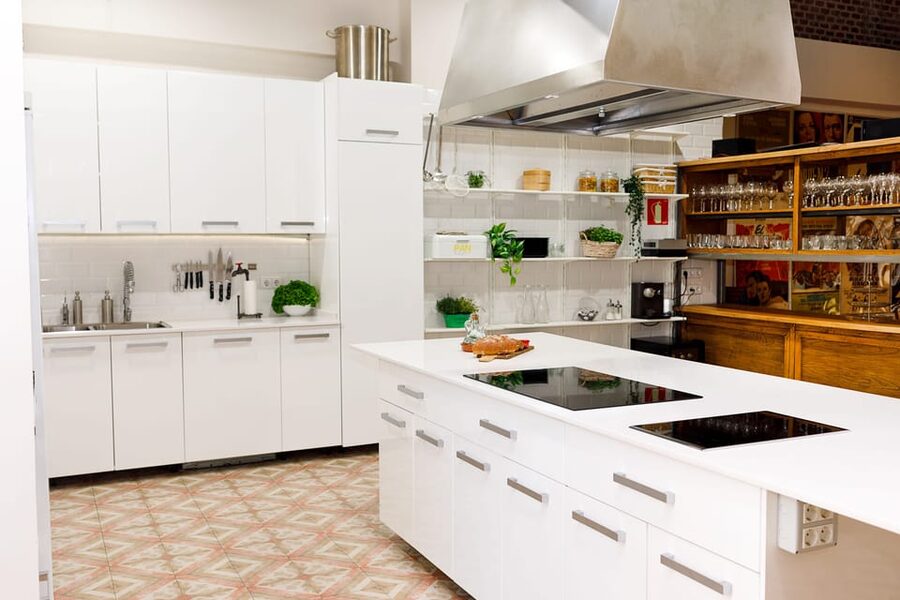
The meeting point is C. de Valderribas 30, second floor, in Madrid’s Retiro area. Pacífico Metro Station on Line 1 is about two minutes away, making the location fairly easy to reach by public transportation.
Pay attention to the entrance instructions. You enter from the street, not through the market. At the doorbell, look for the name Lóleo. That small detail can save you a few minutes of standing outside and wondering if you are in the right place.
The activity begins and ends at this same location. Since the session lasts three and a half hours, plan it as a substantial part of your day rather than a quick stop between major sights. You will want enough time to arrive calmly, find the entrance, and get ready to cook.
The activity is listed as wheelchair accessible. If you use a wheelchair or have specific access needs, it is still sensible to communicate them when booking, along with any dietary restrictions.
Starting with Spanish tapas basics
The class begins with guidance from a professional chef. You are not expected to know Spanish cooking techniques in advance, and the format allows you to learn as you work.
One of the strongest features is the chance to ask questions while preparing the food. Instead of receiving a general lecture on tapas, you can connect the explanation to the dish in front of you. That makes the advice more useful if you want to repeat the recipes at home.
The menu can change according to available seasonal products or the chef’s inspiration. I would treat the published dishes as a good indication of the style and range of the meal, not as an absolute promise. This flexibility can be a benefit because Spanish cooking often follows the market, but it may disappoint you if one particular dish is the main reason you book.
The food list gives you a good sense of the class’s variety:
- Ham croquettes
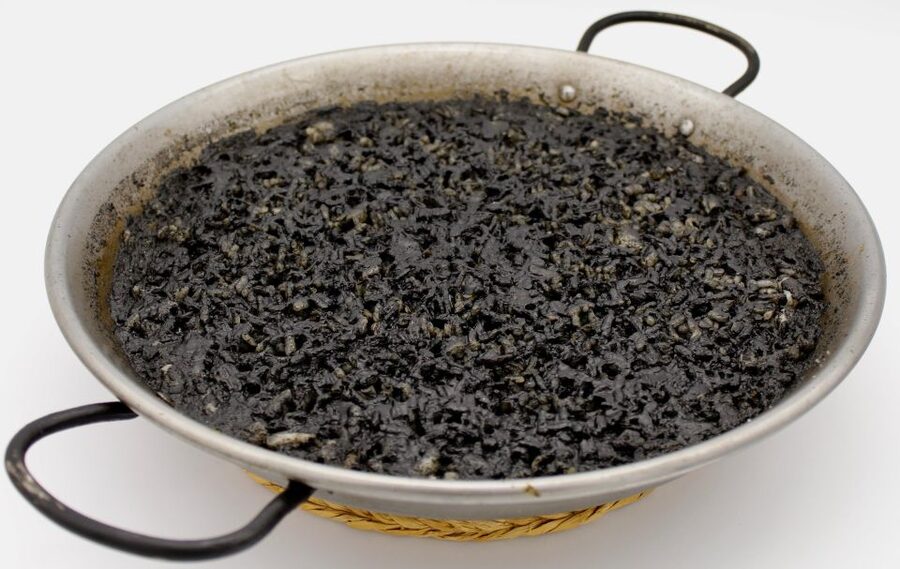
- Black-ink squid paella
- Russian salad
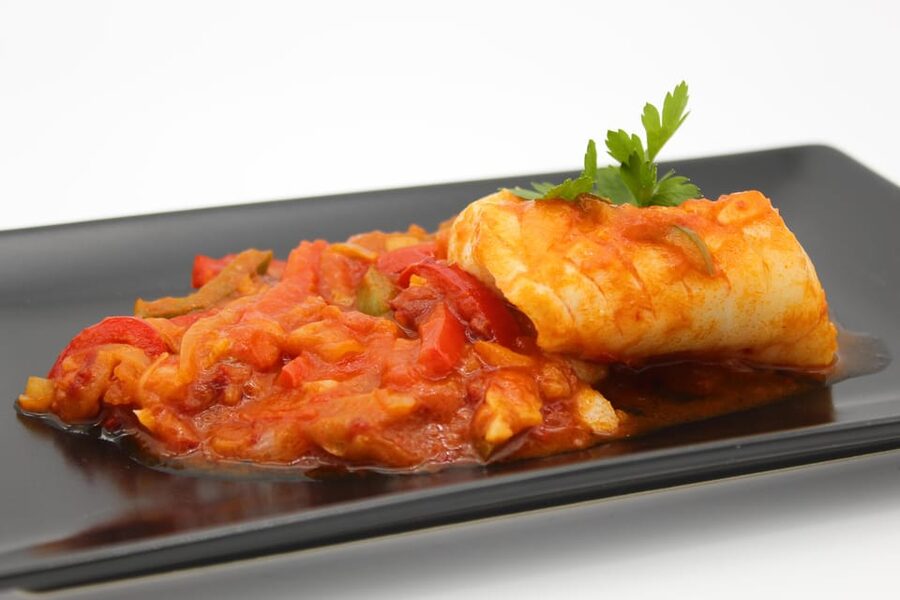
- Cod prepared in ajoarriero style
These are not four versions of the same idea. You move between fried food, rice, a creamy salad, and a cod dish with a more savory sauce base. That variety helps you understand why tapas are so appealing: a meal can shift from crisp and rich to cool, soft, salty, and deeply seasoned.
Making croquettes and Russian salad
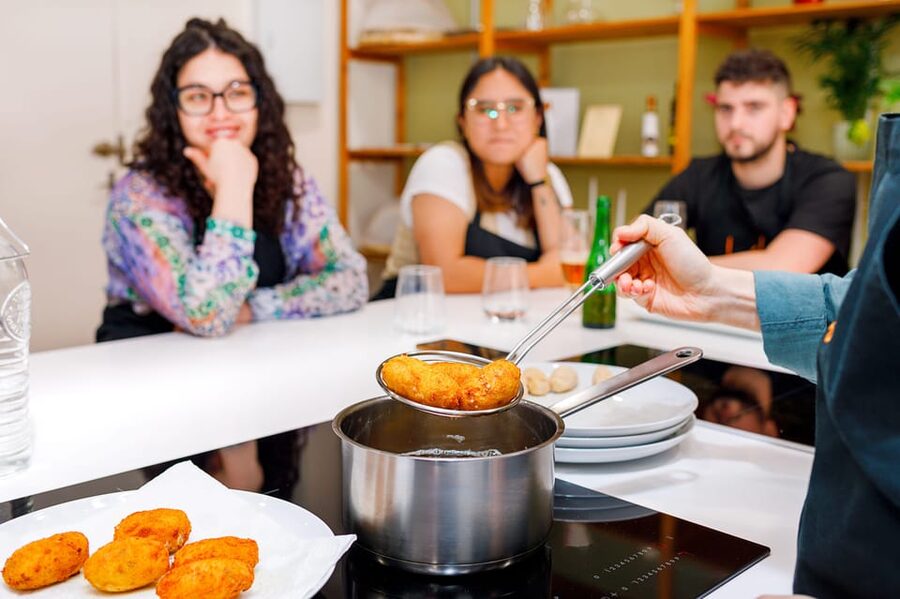
Ham croquettes are one of the most useful dishes to learn because they look modest but require care. The inside must hold together while staying soft, and the outside needs a proper coating and fry. In a class setting, the chef can point out the texture you are aiming for as you prepare them.
The Russian salad offers a different lesson. In Spain, ensaladilla rusa is a familiar tapa, commonly served cold or cool and often built around a creamy mixture. The class version was described as a tuna salad, giving you a chance to see how a simple-looking dish becomes part of the Spanish bar menu.
These dishes also help balance the meal. Croquettes bring warmth and crunch, while the salad adds a cooler, softer element. You are not simply producing food for the sake of an exercise. You are building a complete spread.
Same streets, a different round:
- Madrid Tapas & Wine Tasting Walking Tour – Small Group Local Bars
★ 5.0 · 3,644 reviews - Madrid Tapas & Taverns Small Group Food & History Tour
★ 5.0 · 2,664 reviews - Madrid: Small Group of Prado Museum Tour & Optional Tapas
★ 4.6 · 2,437 reviews - Madrid: Tapas & Wine Tasting Tour with Local Guide
★ 4.8 · 2,171 reviews
Paella with a choice of seafood or vegetables

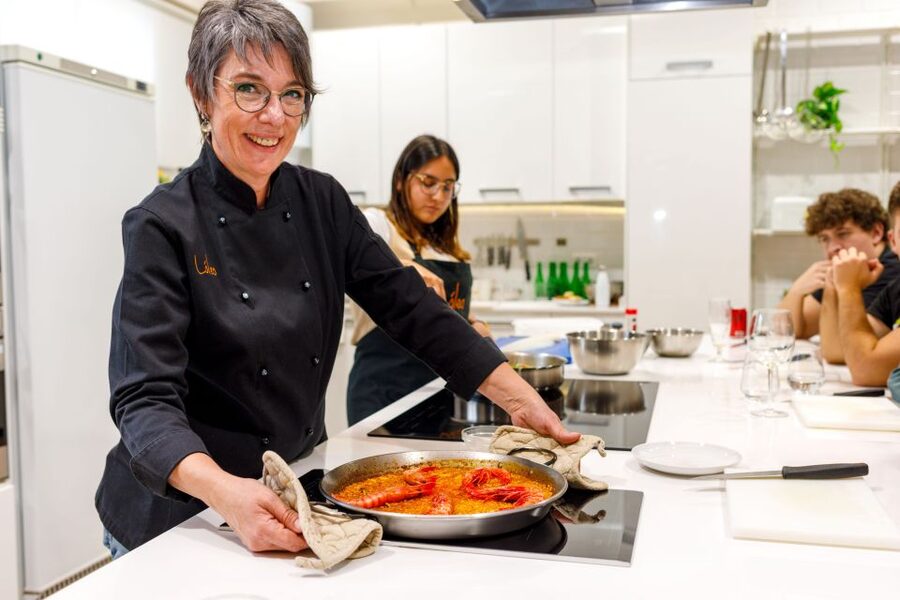
The paella is likely to be one of the most memorable parts of the cooking session, especially if you have not worked with black squid ink before. The listed preparation uses squid, giving the rice a dark color and a stronger seafood character.
One class included both vegetarian and squid versions. That is useful if your group has different preferences, though you should not assume both versions will always be available. The menu can change, and dietary requests must be sent ahead of time.
Paella is also a dish where timing matters. Rice needs the right amount of liquid and attention, and the final texture can change quickly. Working with a chef gives you a better sense of the process than simply receiving a finished portion at a restaurant.
Still, keep your expectations practical. This is one class within a three-and-a-half-hour meal experience, not a professional culinary course devoted only to paella. You will gain useful tips and a memorable meal, but you should not expect restaurant-chef certification or an exhaustive study of every regional rice dish.
Ajoarriero cod and flexible dietary requests
The cod is prepared in ajoarriero style. In the meal described, it came with tomatoes, onions, and peppers. That combination gives the dish a strong Spanish character and provides a good example of how a few everyday ingredients can form a complete tapa.
The class can adapt to some dietary preferences when you communicate them in advance. One group included a vegetarian participant and someone who disliked bell peppers, and separate versions were prepared. That is encouraging, but it is not a guarantee that every allergy or restriction can be handled. Send clear information before the class and ask if you are uncertain.
This is especially important because the menu may include seafood, meat, dairy, and other ingredients. The cooking format means you need to know what you will be handling and eating before you arrive.
Eating what you make with local wine
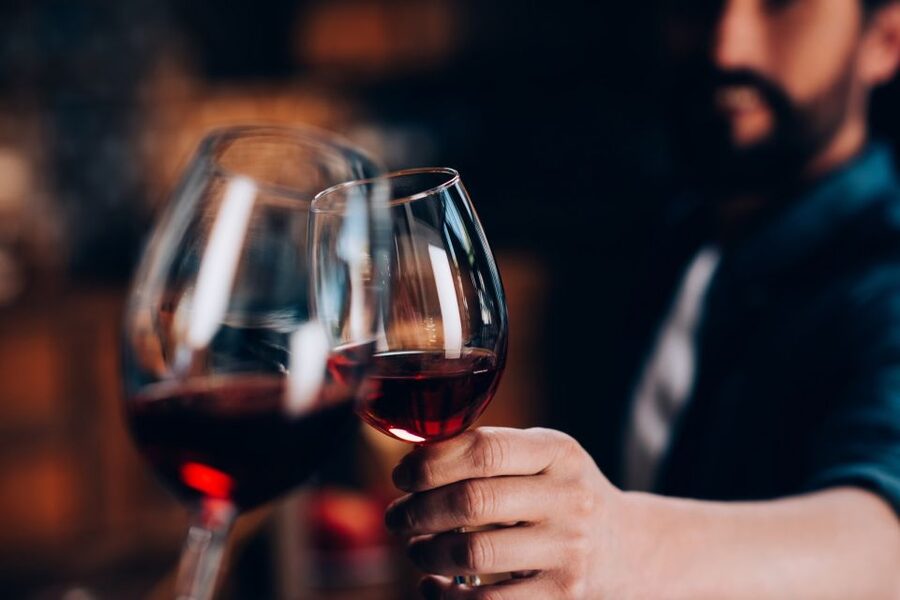
After the cooking, you sit down to eat the food you helped prepare. A full meal is included, along with local red and white wine, water, and coffee. The relaxed pace gives you time to talk about the dishes instead of rushing through a few bites before the next activity.
Wine is part of the experience rather than an optional extra. One account of the class describes it as being poured freely, which fits the social style of a Spanish meal. You should still pace yourself, especially if you have evening plans afterward.
Tea and coffee were also served during one class. Coffee gives the meal a natural finish, though tea is not specifically listed as a standard inclusion, so I would count on coffee and water rather than plan around tea.
The full-meal format is a major part of the price. At $112 per person, this costs more than a basic tapas crawl or a casual Madrid lunch. You are paying for instruction, ingredients, a private setting, several dishes, wine, and three and a half hours of contact with a chef. If you only want to sample tapas, this is not the cheapest route. If you want a meal plus practical cooking instruction, the value is stronger.
What Chef Lola adds to the experience
Chef Lola is named in one detailed account of the class. She engaged with a group of eight people, accommodated a vegetarian request and a dislike of bell peppers, and explained both the dishes and where the ingredients came from.
That kind of attention is important in a small cooking class. A chef who keeps an eye on individual needs can help a beginner without making the lesson feel like school. You also get a chance to ask about the food’s source and purpose, rather than only following instructions.
The group size is limited to 10, but the exact number can vary. A smaller group should make it easier to see what is happening and speak with the chef. A group of eight, for example, still leaves room for conversation without turning the activity into a private lesson.
The teaching is in English. If you want a class in another language, this experience is not the right match based on the information available.
The main drawbacks to consider
The changing menu is the clearest limitation. The planned food may shift with seasonal products or the chef’s inspiration, so a particular dish is not guaranteed. You should book this for the cooking style and overall meal, not only for black-ink paella or cod.
The price is another consideration. At $112, it is a fairly substantial food expense. The inclusion of wine and a full meal helps justify it, but budget-minded visitors may prefer to eat tapas independently and spend the difference on several casual meals.
Finally, the class takes 3.5 hours. That is long enough for a relaxed cooking and dining session, but it also occupies a large block of a Madrid sightseeing day. I would avoid scheduling it immediately before a timed museum visit or another fixed appointment.
The published overall rating is 4.3 from six ratings. That is a positive signal, but the sample is small. I would place more weight on the specific details: attentive instruction, dietary flexibility, a relaxed pace, recipes to take home, and a generous meal.
Who should book this Madrid food experience?
I would recommend it to you if you enjoy learning by doing, want a social meal, or would like a meaningful break from museums and monuments. It is especially suitable for first-time cooks because no prior experience is required.
Food-focused couples, families with older children, and small groups of friends should find the format appealing. The limited group size gives you a better chance to talk with the chef, while the shared meal keeps the atmosphere informal.
You may want to skip it if your main goal is a quick tapas tasting, if you need a strictly fixed menu, or if you do not enjoy group activities. It is also not the right choice for anyone who cannot eat the likely ingredients unless the chef confirms that suitable alternatives are possible.
Booking is flexible because you can cancel up to 24 hours before the activity for a full refund, and you can reserve now and pay later. Check the available starting times before fitting it into your Madrid plans.
Should you book it?
Book this class if you want to leave Madrid with more than a list of tapas bars. You will cook several dishes, sit down to a full meal, drink local wine, and pick up techniques that are difficult to learn from a menu alone.
I would make the booking after confirming your dietary needs and accepting the changing menu. At $112, it is best viewed as a combined cooking lesson, dinner, and cultural conversation. For that kind of experience, the price is reasonable, particularly if Chef Lola leads a small, attentive group.
FAQ
Where does the cooking class meet?
It meets at C. de Valderribas 30, second floor, in the Retiro area of Madrid. Use the street entrance, not the market entrance, and look for Lóleo on the doorbell.
How close is the meeting point to public transportation?
Pacífico Metro Station on Line 1 is about two minutes from the meeting point.
How long does the activity last?
The cooking class and meal last 3.5 hours. The available starting times depend on the date you choose.
What food might I prepare?
The planned menu can include ham croquettes, black-ink squid paella, Russian salad, and cod in ajoarriero style. The dishes can change based on seasonal products or the chef’s inspiration.
Is wine included?
Yes. Local red and white wine, water, and coffee are included with the meal.
Do I need cooking experience?
No. Previous cooking knowledge is not required, and the activity is taught by a professional chef in English.
Can dietary restrictions be accommodated?
You should communicate dietary restrictions in advance. Vegetarian food and a version without bell peppers were accommodated in one class, but the available alternatives can depend on the menu and the restriction.
How many people are in the group?
The group is limited to 10 participants. The activity is designed as a small-group experience.
Is the activity wheelchair accessible?
Yes, the activity is listed as wheelchair accessible. You should still communicate any access needs when making your reservation.
What is the cancellation policy?
You can cancel up to 24 hours in advance for a full refund. You can also reserve now and pay later to keep your plans flexible.
Recently reviewed in Madrid
- 2.5-Hour Evening Tapas Tour through Madrid★ 4.8 · 64 reviews
- Madrid: Flamenco Show with Tapas and Wine Tour★ 4.9 · 66 reviews
- Madrid by Night: Vintage Bike Tour Highlights/Optional Tapas★ 4.8 · 68 reviews
- Toledo Tour with Tapas, Wine Tasting and Optional 3 Monuments★ 4.5 · 70 reviews
- Madrid: Guided Food Tour with Tapas Tastings and Drinks★ 4.8 · 72 reviews
- Madrid: Tapas, Taverns & History Tour★ 4.7 · 71 reviews
- Tasty Tapas & Drinks Tour with a Rooftop Included★ 5.0 · 82 reviews
- Madrid: Los Porches Flamenco Show with Tapas and Wine Ticket★ 4.7 · 84 reviews
Spanish Cooking Classes, compared.
Barcelona Paella Cooking Class with Market Visit, Tapas & Sangria
Read our review →
Spanish Cooking Class Paella Tapas and Sangria in Madrid
Read our review →
Valencian paella cooking class, tapas and visit to Ruzafa market.
Read our review →
Madrid Tapas & Paella Cooking Experience with Local Market Visit
Read our review →
Taste of Spain: Tapas Cooking Class with Bottomless Wine Pairing
Read our review →
Alicante Paella Cooking Class, Tapas, Drinks and Marketplace
Read our review →
Seafood paella cooking class, tapas and visit to Ruzafa market.
Read our review →
Premium Paella Cooking Class & 10 Spanish Tapas
Read our review →Browse the lists this tour appears in