REVIEW · PAELLA COOKING CLASSES
Real Paella Cooking Class – Market Visit & Sangría Workshop
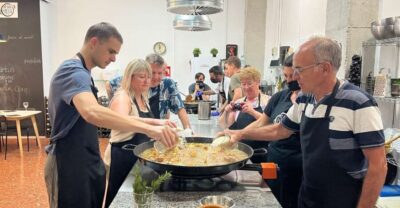
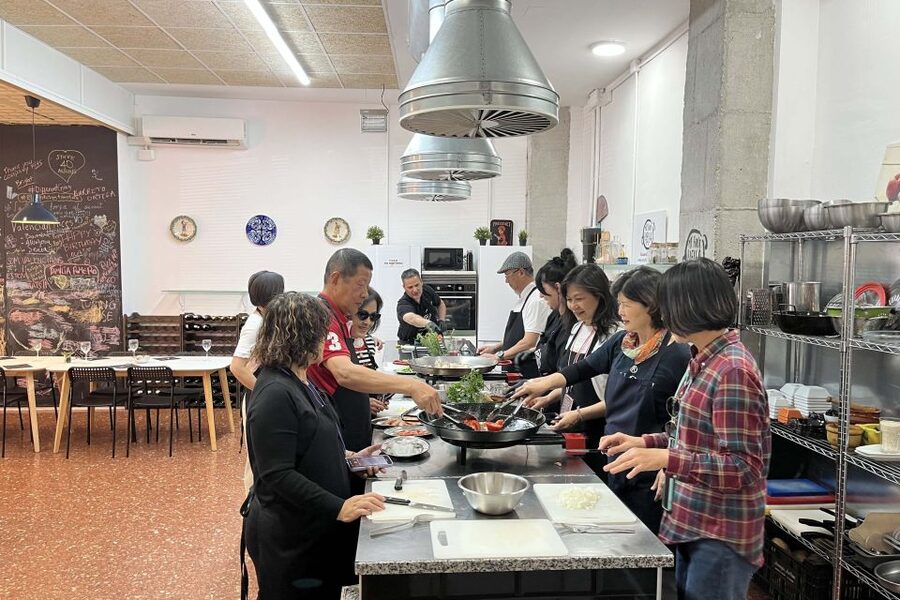
The best part of this Valencia experience is that you do not just watch someone stir a paella pan. You visit Ruzafa Market, choose ingredients with your chef, then cook in small working groups until the rice develops socarrat, the prized crisp layer at the bottom. I like that the class begins in a neighborhood market rather than the more famous Central Market, and I like that chefs such as Anna and José explain the customs behind the dish while keeping everyone involved.
The main consideration is the group size. Some sessions are intimate, while others are larger, with several paella teams cooking at once. That can mean less individual attention, but it also creates a friendly, shared-table mood. At $77 per person for 3.5 hours, the generous food and drinks make this a strong value, especially if you want lunch, a cooking lesson, and a local food introduction in one outing.
Key points to know before booking
- Ruzafa Market comes first: Shop where local residents buy food, then use those ingredients in class.
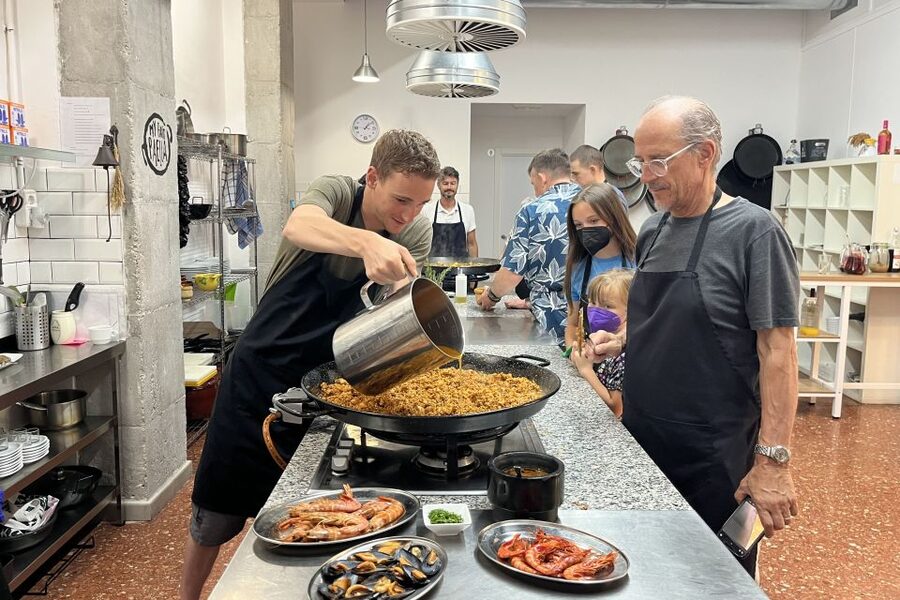
- You cook, not just watch: Each participant helps prepare either meat and vegetable paella or seafood paella.
- Socarrat gets special attention: You learn how to create the golden, crisp rice layer Valencians prize.
- Drinks are part of the experience: Sangria, beer, DO Valencia wine, and soft drinks are included.
- The meal keeps going: Tapas, salad, fruit, coca de llanda, coffee, and mistela follow the paella.
- The format is social: The class suits solo visitors, couples, families, and anyone happy to share a table with an international group.
From San Valero Church to the Ruzafa neighborhood market
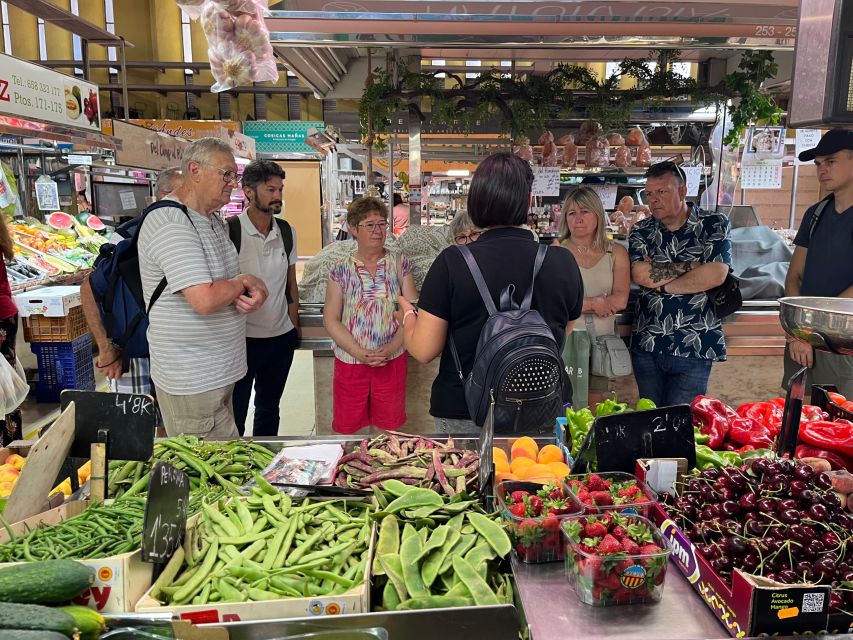
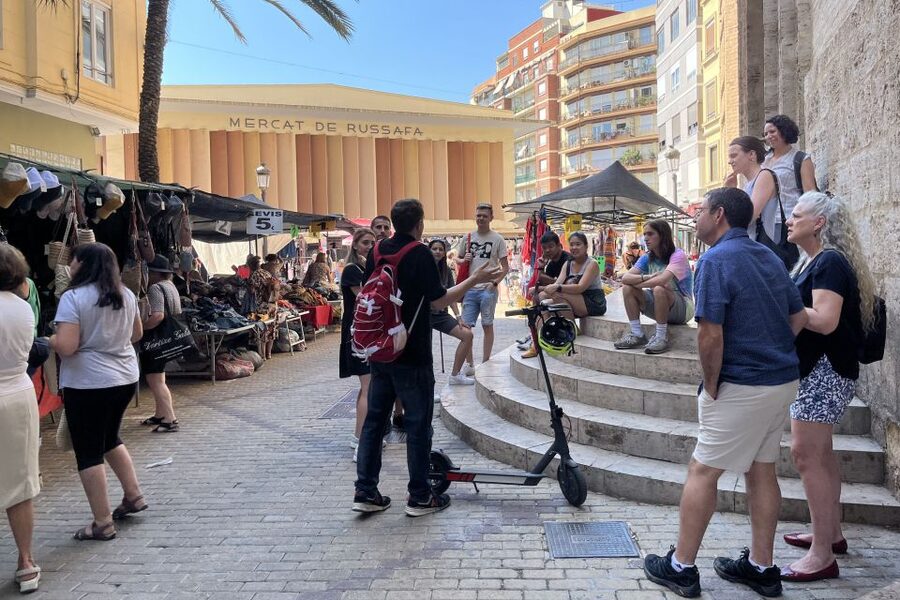
Your meeting point is at the door of the Church of San Valero. From there, the experience starts with a short visit to Ruzafa Market, one of the best reasons to choose this class over a cooking lesson held entirely indoors.
Ruzafa is a real neighborhood market. It is not presented as a grand sightseeing hall packed with cameras. You see the everyday food culture of Valencia while your chef points out the ingredients used for paella. The market visit gives the dish a useful setting: you are not simply handed a prepared list of ingredients, but shown the kinds of produce and seafood that shape local cooking.
This stop is brief, so do not expect a full food tour or time for extensive shopping. Extra purchases are not included, and anything you buy at the market is your own expense. Still, the visit adds something important. It helps you understand that paella is tied to fresh, practical cooking rather than a fixed restaurant formula.
The market also gives you a chance to ask questions before the cooking begins. You can learn which ingredients are traditional, which choices are best avoided, and why Valencian paella is not simply any rice dish cooked in a wide pan.
More Paella Cooking Classes in Valencia
- Valencian paella cooking class, tapas and visit to Ruzafa market.
★ 5.0 · 828 reviews - Seafood paella cooking class, tapas and visit to Ruzafa market.
★ 5.0 · 328 reviews - Valencia: Evening Guided Paella Workshop, Tapas, and Drinks
★ 4.9 · 326 reviews
Tapas, sangria, and the walk into the kitchen
After the market, you walk a short distance to the cooking space. The class begins with homemade tapas, including manchego cheese, jamón, steamed mussels, patatas bravas, and olives. This is not filler food. It gives you something to eat while the chefs explain the plan and helps turn the class into a relaxed social meal from the start.
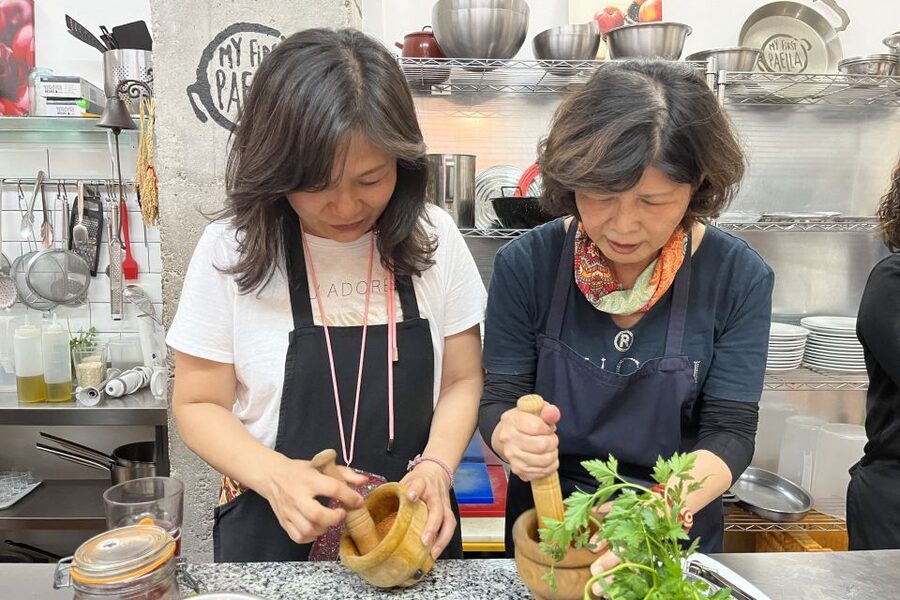
The drink service is a major part of the value. You learn how to make sangria while enjoying it, with beer, DO Valencia wine, and soft drinks also available. The sangria is served generously, so pace yourself if you plan to focus on the cooking and instruction.
A few sessions include local shots or mistela during the meal. Mistela is a sweet Valencian fortified drink, traditionally served at the end. The included drinks make this feel closer to a long Spanish lunch than a quick instructional workshop.
Nonalcoholic options are available, which matters for families and anyone who does not drink. Children can take part in the cooking, and the class has been set up to include different ages rather than treating the meal as an adults-only event.
Learning the two main paella choices
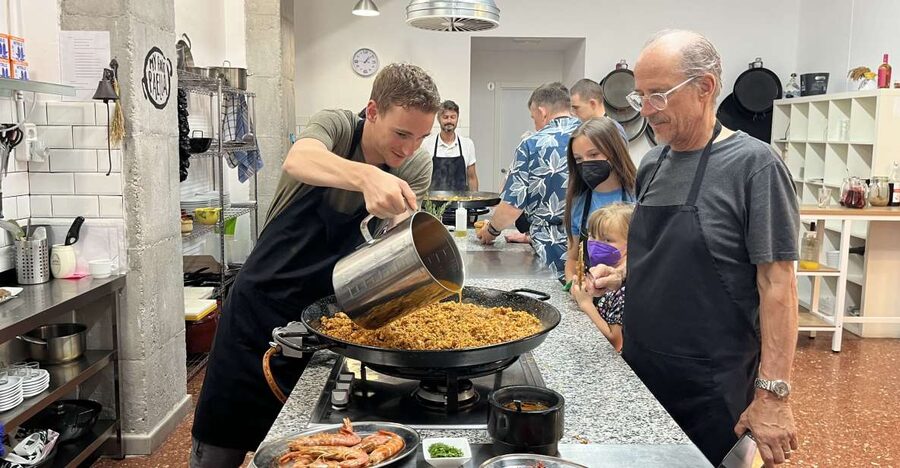
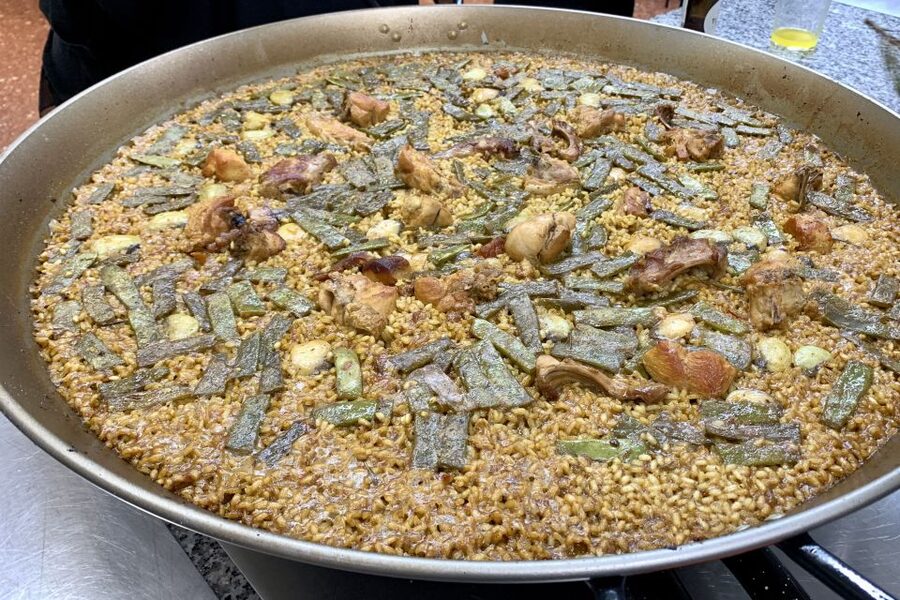
The main cooking portion centers on a choice between Valencian meat and vegetable paella or seafood paella. The class information makes an important distinction clear: traditional Valencian paella does not mix meat and seafood in the same pan.
For the Valencian version, you learn about the ingredients and method used for the regional dish. For the seafood version, the chef explains the traditional salmorreta sofrito, the flavorful base that gives the rice much of its character.
The chefs also discuss J. Sendra rice, the rice variety used for the class. You learn why the type of rice matters, how much saffron to use, and how the liquid and heat affect the final texture. These details are useful because paella often goes wrong at home through small errors rather than one dramatic mistake.
I appreciate that the cooking is divided among several teams when the class is larger. You are not all crowded around one demonstration pan. Instead, you work in groups and share tasks, with the chefs moving between stations to guide the process.
That format has a tradeoff. In a group of six, the chef can interact with everyone closely. In a larger session, you may need to listen carefully and ask for help when the chef reaches your station. The upside is the cheerful group energy, especially if you are traveling alone or want to meet people over a shared meal.
The socarrat lesson is the real cooking takeaway
The most useful skill you take home is learning to make socarrat. This is the crisp, golden rice layer that forms at the bottom of the pan, and many Valencians consider it the finest part of the dish.
Getting it right requires attention to heat and timing. The chef guides you through the final stage rather than leaving you to guess. You learn when to stop stirring, how to judge the rice, and how to encourage the bottom layer without burning the whole pan.
This is where the class offers more than a recipe card. You gain a way to read the pan. Rice can look nearly ready on top while still needing the final heat that creates socarrat below. Those are the small practical lessons that make the recipe more useful when you try it in your own kitchen.
The recipe is designed to be taken home and used. You will not leave with restaurant tricks that depend on equipment you cannot buy. The focus is on ingredients, timing, heat, and technique you can remember.
More Spanish Cooking Classes in Valencia
- Valencian Paella Cooking Class, Tapas & Sangria – Evening
★ 5.0 · 303 reviews - Vegetable Paella cooking class, tapas and Ruzafa market visit
★ 5.0 · 79 reviews - Valencia Paella & Tapas Home Cooking Class with Local Chef Jose
★ 5.0 · 69 reviews
Local chefs keep the class lively and personal
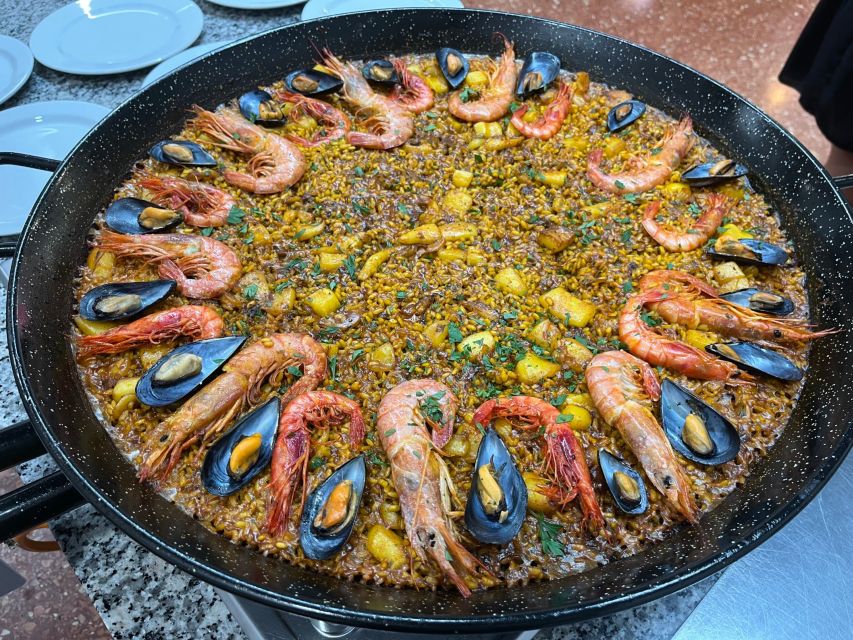
The chefs are central to the experience. Anna is known for a warm, funny teaching style, while José, Guillermo, and Christina have also led sessions. Their role is not limited to reading instructions. They explain the traditions, correct cooking steps, encourage questions, and keep the shared meal moving.
The tone is friendly and informal. You should expect plenty of conversation, jokes, and group participation rather than a quiet professional kitchen lesson. That suits people who want an evening of food and company as much as they want technical instruction.
The chefs also make an effort to include people with different comfort levels. If you are an experienced home cook, you can ask about rice, sofrito, saffron, or socarrat. If you have never made paella, the step-by-step approach gives you a clear entry point.
English is the stated tour language. The cooking itself is visual and hands-on, which helps when the room includes people with different language backgrounds. Still, you should book this for an English-led experience rather than assume a multilingual class will be offered.
Sitting down to eat what you made
When the paella is ready, everyone sits down together. This shared meal is the payoff, but it is also part of the lesson. You taste the result while the cooking steps are still fresh in your mind.
The meal includes the paella, Valencian tomato salad, seasonal fruit, coca de llanda, coffee, and mistela. Coca de llanda is a traditional Valencian sponge cake, and it gives the meal a local finish rather than ending with a generic dessert.
The food arrives after a steady stream of tapas and drinks, so you should arrive hungry but not expect a light snack. The class can feel like a full lunch or early dinner, depending on the starting time. Check the available start time when booking, as the total experience lasts 3.5 hours.
The shared table is one of the strongest social features. You may begin the session with strangers and finish by eating from the paella your group prepared together. That family-meal feeling is part of the design, not an accidental bonus.
Is $77 a fair price?
At $77 per person, this is not the cheapest way to eat paella in Valencia. You are paying for more than the dish itself: a guided market visit, instruction from a local chef, all ingredients, tapas, sangria, beer, wine, dessert, coffee, and a recipe you can use later.
The value is particularly good if you would otherwise pay separately for lunch, drinks, and a food activity. The included alcohol also makes a difference, though you should not choose the class only for the drinks. The real value comes from combining a neighborhood market visit with hands-on cooking and a substantial meal.
Compared with a short demonstration, this class gives you more participation. Compared with a private lesson, it offers less one-to-one attention. The right comparison is a sociable group workshop with a generous menu, not a formal culinary school session.
Who will enjoy this Valencia cooking class?
I would recommend it most strongly to:
- First-time paella cooks who want clear instructions and a recipe they can repeat.
- Food-focused visitors who want to connect the finished meal with local ingredients.
- Solo visitors who enjoy meeting people around a shared table.
- Families with older children who want an activity that allows everyone to take part.
- Couples and friends looking for a relaxed half-day plan with lunch and drinks included.
- Returning Valencia visitors who want something more active than another restaurant meal.
You may want another type of activity if you prefer a very small private class, a quiet tasting, or a highly technical cooking course. Group energy is part of the appeal here, but it also means the room can feel busy at popular times.
The class is also not ideal if you need a completely alcohol-free setting, though soft drinks are available and participation in drinking is not required. Anyone with strict dietary needs should ask before booking, since the provided information does not list allergy handling or substitutions.
Practical details that matter
The activity lasts 3.5 hours and is offered in English. Meet at the Church of San Valero, not at the market itself, and allow enough time to find the church door.
You can cancel for a full refund up to 24 hours before the activity. Reserve now and pay later is available, which helps if your Valencia schedule is still changing.
Wear something comfortable for a hands-on kitchen session. The supplied information does not specify an accessibility plan, transport service, or exact class size, so ask the provider directly if any of those details affect your booking.
The group can be small, but some sessions are larger and split into several cooking teams. That is worth knowing before you arrive. Expect a social workshop, not a private chef lesson.
Should you book My First Paella?
Book it if you want to do more than order paella at a restaurant. The market visit, local chefs, practical socarrat lesson, and shared meal give you a real sense of how the dish fits into Valencian life.
I especially recommend it for a first or second visit to Valencia, when you want one activity that combines food, neighborhood atmosphere, and conversation. At $77, the included meal and drinks make the price reasonable for a 3.5-hour experience.
Skip it if you dislike group cooking, prefer a quiet meal, or want private instruction. For most people who enjoy food and a little lively company, this is one of the better ways to spend an afternoon in Valencia, with a useful recipe and a full stomach to show for it.
FAQ
Where does the paella class meet?
Meet your guide at the door of the Church of San Valero.
How long does the experience last?
The activity lasts 3.5 hours. Starting times vary, so check availability when booking.
What market do you visit?
You visit Ruzafa Market, a neighborhood market where local residents shop for daily ingredients.
Which types of paella can I cook?
You can cook authentic Valencian meat and vegetable paella or seafood paella. The two styles are prepared separately.
Is the cooking hands-on?
Yes. You take part in preparing the paella, with chefs guiding the steps and correcting techniques during the class.
What drinks are included?
The experience includes sangria, beer, DO Valencia wine, and soft drinks. The class also includes coffee and mistela with the meal.
What food is included besides paella?
You receive tapas such as manchego cheese, jamón, steamed mussels, patatas bravas, and olives. The meal also includes tomato salad, seasonal fruit, coca de llanda, coffee, and mistela.
Can I cancel the booking?
You can cancel up to 24 hours in advance for a full refund. Reserve now and pay later is also available.
More Market and Tapas Tours in Valencia
- San Sebastian Pintxo Food, Wine & Market Foodie Tour(Small Group)
★ 5.0 · 621 reviews - Madrid Tapas & Paella Cooking Experience with Local Market Visit
★ 5.0 · 432 reviews - Alicante Paella Cooking Class, Tapas, Drinks and Market
★ 4.9 · 301 reviews - Alicante: Paella & Sangria Class with Tapas and Market Visit
★ 4.8 · 243 reviews
More Sangria and Tapas Tours in Valencia
- Barcelona Paella Cooking Class with Market Visit, Tapas & Sangria
★ 5.0 · 2,531 reviews - Spanish Cooking Class Paella Tapas and Sangria in Madrid
★ 5.0 · 1,340 reviews - Barcelona Food Tour: Tapas, Paella, Sangria & 8+ Local Tastings
★ 5.0 · 1,275 reviews - Madrid: Paella & Sangria Classes- Seafood, Chicken & Vegan option
★ 5.0 · 265 reviews
Recently reviewed in Valencia
- Valencia: Wine Tasting and Tapas Experience★ 4.5 · 38 reviews
- City of Arts & Sciences Tour with Rooftop Tapas & Wine★ 5.0 · 41 reviews
- Craft Beer Tasting and tapas in Valencia★ 4.9 · 70 reviews
- Valencia Paella & Tapas Home Cooking Class with Local Chef Jose★ 5.0 · 69 reviews
- Valencia Tapas Crawl by Food Lover Tour★ 5.0 · 78 reviews
- Vegetable Paella cooking class, tapas and Ruzafa market visit★ 5.0 · 79 reviews
- Valencia Food Tour: Tapas, Drinks and Delights with a Local★ 5.0 · 93 reviews
- Shore Excursion: City Tour with Tapas in 11th Century Monument★ 5.0 · 113 reviews
Paella Cooking Classes, compared.
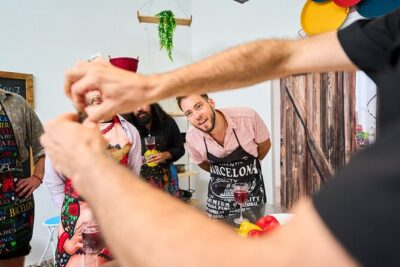
Barcelona Paella Cooking Class with Market Visit, Tapas & Sangria
Read our review →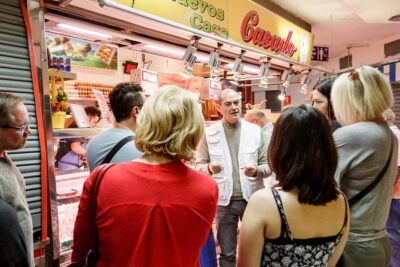
Spanish Cooking Class Paella Tapas and Sangria in Madrid
Read our review →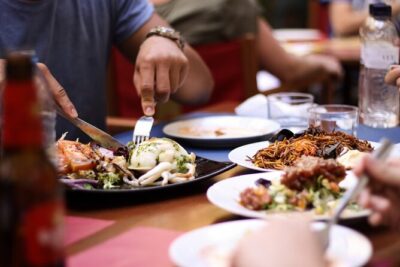
Barcelona Food Tour: Tapas, Paella, Sangria & 8+ Local Tastings
Read our review →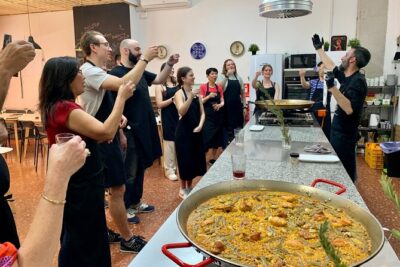
Valencian paella cooking class, tapas and visit to Ruzafa market.
Read our review →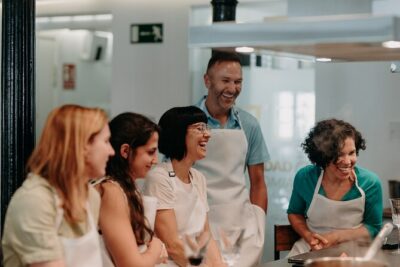
Madrid Tapas & Paella Cooking Experience with Local Market Visit
Read our review →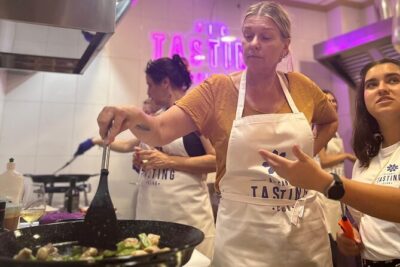
Alicante Paella Cooking Class, Tapas, Drinks and Marketplace
Read our review →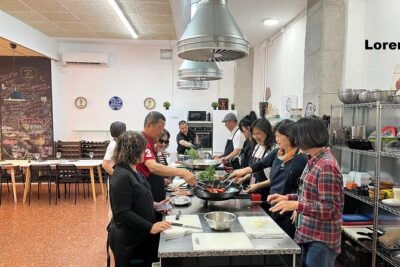
Seafood paella cooking class, tapas and visit to Ruzafa market.
Read our review →