REVIEW · PAELLA COOKING CLASSES
Seafood paella cooking class, tapas and visit to Ruzafa market.
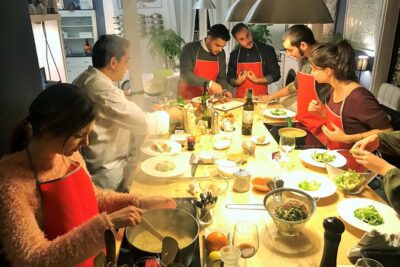
The best part of this Valencia experience happens before the cooking begins: you shop for fresh seafood and produce at Ruzafa Market, while your guide explains paella’s place in Valencian life. Then you walk to a kitchen, make sangria, prepare seafood paella, and sit down to eat what you cooked.
I like the hands-on format, where you help with real steps instead of watching a chef work from a distance. I also like the generous table: tapas, tomato salad, paella, wine, dessert, coffee, and sweet mistela make the $78.64 price easier to justify.
The main drawback is practical. The meeting point can be confusing, the walk to the kitchen may be tiring for anyone with limited mobility, and the market is closed on Sundays. Also, a class of up to 20 people can mean sharing attention between several paella pans.
Key points to know before booking
- Ruzafa Market comes first: Shop for the seafood, vegetables, and other ingredients with a guide before cooking.
- You cook the main dish: The class explains seafood paella step by step, with everyone taking part.
- Sangria and tapas set the tone: Expect sangria, patatas bravas, jamón, Manchego, mussels, olives, and more before the paella.
- The meal is unusually complete: Paella comes with Valencian tomato salad, wine, seasonal fruit, Valencian cake, sweet wine, and coffee.
- Several instructors may lead the class: Ana, José, Cristina, and Valentín are among the chefs praised for clear teaching and good humor.
- Plan the meeting carefully: Meet at the door of San Valero Parish at 11 a.m., and allow for an eight-minute walk after the market.
Why the Ruzafa market visit matters
Many cooking classes begin in a spotless kitchen with ingredients already measured. This one begins in a working neighborhood market. That change gives you a better sense of what goes into paella before you ever pick up a spoon.
You meet at the door of San Valero Parish, at Carrer del Pare Perera, 6, in Valencia’s L’Eixample district. From there, the group goes to Mercado de Ruzafa to buy the fresh products needed for the meal.
The market visit is not a long sightseeing tour. It is a practical shopping trip with a cultural lesson attached. You learn about the ingredients, the origin of paella, and customs connected with Valencian food. Guides have also explained seafood, ham, and vegetables while stopping at different stalls.
That makes this first section especially useful if you want more than a recipe. You see what local ingredients look like before they are cleaned, chopped, and arranged for class. You also get a clearer idea of paella as a social dish, not simply a plate of rice ordered at a restaurant.
The market can be busy, so stay close to your guide and avoid blocking stall entrances. A smaller class is easier to manage here. Groups have sometimes been split up so they do not interfere with vendors or shoppers, a thoughtful touch that lets the market continue its normal day.
There is one firm limitation: Ruzafa Market is closed on Sunday, so the market visit is not available then. Check the day of your booking before you build your schedule around it.
More Paella Cooking Classes in Valencia
- Valencian paella cooking class, tapas and visit to Ruzafa market.
★ 5.0 · 828 reviews - Valencia: Evening Guided Paella Workshop, Tapas, and Drinks
★ 4.9 · 326 reviews - Valencian Paella Cooking Class, Tapas & Sangria – Evening
★ 5.0 · 303 reviews
The short walk from market to kitchen
After shopping, you walk about eight minutes to the cooking kitchen. That is not a major distance for most people, but it is worth noting if you have limited mobility or prefer an entirely stationary activity.
The walk helps the experience feel like a neighborhood outing rather than a class sealed off from the city. Still, wear comfortable shoes. You will spend time standing at the market, walking between locations, cooking, and then sitting down for the meal.
The kitchen is where the social side begins in earnest. The chef welcomes you with sangria and tapas, and the group settles into a relaxed meal before the main cooking starts. Beer, soft drinks, water, and wine are also included.
Several instructors have led the class, including Ana, José, Cristina, and Valentín. Their approach appears to vary in personality, but the strongest pattern is clear instruction mixed with humor. José and Cristina have been praised for working well together, while Ana has been singled out for explaining both the technical process and the role paella plays in bringing families together.
Because the class may be offered by a multilingual guide in English, Russian, or Spanish, ask questions early if you need a slower explanation. The advertised language is English, but the operation can include multilingual staff.
Making seafood paella, one job at a time
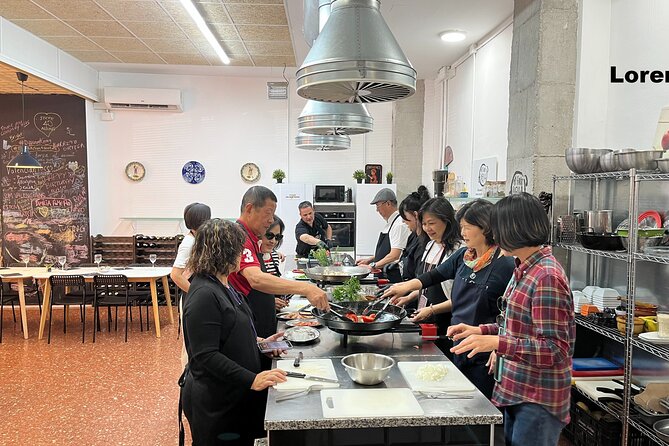
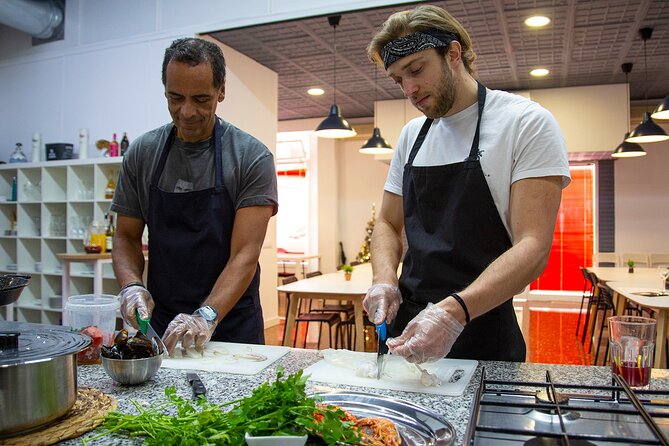
The cooking portion is designed for participation. You do not simply watch a demonstration and receive a finished bowl. The chef explains the method step by step, and members of the group help prepare ingredients and cook the paella.
That shared setup is part of the fun. You may be working alongside people making a different version, such as traditional Valencian or vegetable paella. Seeing several pans prepared at once helps you compare the methods and ingredients.
The seafood version is the focus of this experience. It is paired with a Valencian tomato salad, and the class explains how the ingredients are handled before the rice goes in. You also learn how timing and coordination affect the final dish.
This is not a private lesson. Two chefs may work with several paella pans, so you will not have one instructor beside you every second. That arrangement can mean less individual attention than a one-to-one class. On the other hand, it gives you a lively group atmosphere and lets you see different paellas develop side by side.
The class works best if you take an active role. Volunteer for a preparation task, ask why an ingredient is added at a particular stage, and pay attention to the chef’s small corrections. The point is not just to eat paella in Valencia. It is to leave with a method you can try at home.
Several people have left planning to make paella for family and friends. That is a good measure of the class’s practical value. The recipe is presented as manageable rather than mysterious, and the shared work makes the process easier to remember.
Sangria, tapas, and the long Valencian table
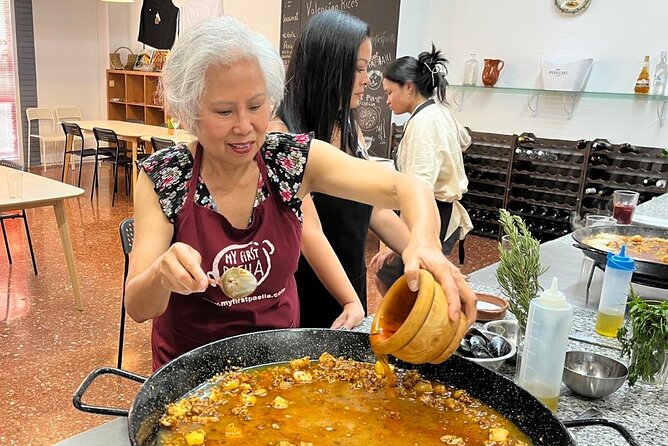
The food begins before the paella. The sample spread includes patatas bravas with sojanesa, jamón serrano, Manchego cheese, steamed mussels, and olives. The exact selection may vary, but the idea is clear: arrive ready to eat.
Sangria is part of the activity, not an optional extra. You take part in a sangria workshop, learning how it is put together before drinking it with the tapas. Wine, beer, soft drinks, and water are also included.
The atmosphere is deliberately social. You cook in small teams, share jobs, talk with people from other countries, and then sit down together. The food and drink help turn a lesson into an afternoon at a communal table.
That social format suits couples, friends, solo visitors, and families with older children. It may not suit you if you want a quiet, tightly structured cooking lesson or if you do not drink alcohol. Nonalcoholic drinks are included, but alcohol is a visible part of the event.
Children must be accompanied by an adult. The maximum group size is 20, though some sessions are smaller. Groups of around 12 have allowed plenty of room for conversation and hands-on work, while a full class will feel more crowded around the cooking stations.
More Spanish Cooking Classes in Valencia
- Real Paella Cooking Class – Market Visit & Sangría Workshop
★ 5.0 · 291 reviews - Vegetable Paella cooking class, tapas and Ruzafa market visit
★ 5.0 · 79 reviews - Valencia Paella & Tapas Home Cooking Class with Local Chef Jose
★ 5.0 · 69 reviews
What arrives after the paella pan
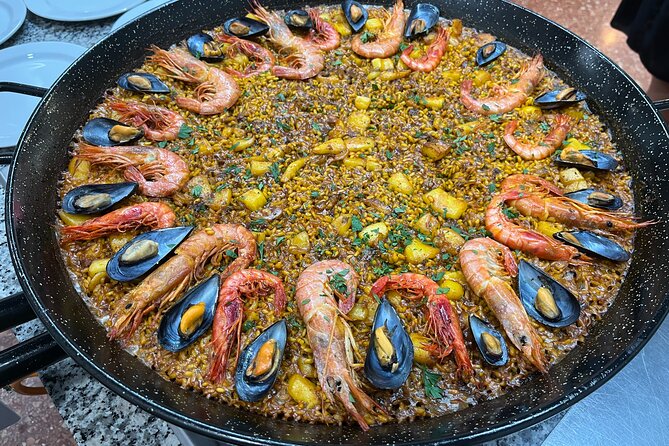
Once the seafood paella is ready, you sit down and eat it with the tomato salad. The meal does not stop there. Seasonal fruit, typical Valencian sponge cake, sweet wine, coffee, and mistela follow.
This generous menu is one reason the price feels fair. At $78.64 per person, you are paying for a market visit, instruction, ingredients, kitchen use, several drinks, and a full meal. It is not the cheapest way to eat paella in Valencia, but a restaurant meal would not give you the market context or the cooking lesson.
The strongest value comes if you care about learning. If you only want a good paella lunch, you can likely spend less at a restaurant. If you want a cultural activity that replaces lunch and teaches you a skill, the cost is easier to defend.
Portions and drink service can make the afternoon feel substantial. You should not book another large meal immediately afterward. The class lasts about three and a half hours, so it also occupies a useful part of the day without taking up an entire evening.
The guides make the difference
The instructors are central to the experience. Ana has been praised for being funny, warm, and careful about connecting food with Valencian family life. José has been described as energetic and good at keeping everyone involved. Cristina has helped with sangria and cooking, while Valentín has been part of friendly, informative teaching teams.
Names and staffing can change, so do not expect a particular chef every time. Still, the teaching style is clearly meant to be relaxed rather than formal. You can expect jokes, conversation, and a fair amount of encouragement alongside the cooking instructions.
The best guides also help the market visit feel respectful. Large food tours can easily get in the way of ordinary shoppers. Here, the group is directed carefully and may be divided into smaller units so stalls remain accessible.
That attention to local life adds value. You are not just being shown a market as a backdrop for photographs. You are buying ingredients in a place used by residents, then carrying those ingredients into a meal shared with your class.
Meeting point, timing, and small practical warnings
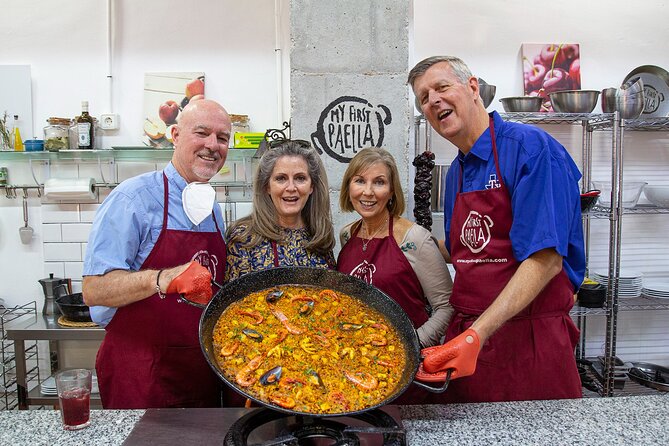
The official meeting point is the door of San Valero Parish, Carrer del Pare Perera, 6, L’Eixample, Valencia. The start time is 11 a.m., and the activity finishes back at the meeting point.
Give yourself extra time to find the church. One participant had trouble because the meeting instructions did not make the exact spot clear, eventually asking a nearby shopkeeper for help. Treat the church entrance as the target, not simply the wider Ruzafa area.
The activity is offered with a mobile ticket, which is useful when you are moving between the church, market, and kitchen. Keep your phone charged and arrive early rather than trying to locate the group at the last second.
The market visit and walk involve standing and movement. If that is difficult for you, contact the provider before booking. The information supplied does not promise a fully accessible route.
Free cancellation is available until 24 hours before the local start time. A cancellation inside that window is not refunded, and changes made then are not accepted.
Who will get the most from this class
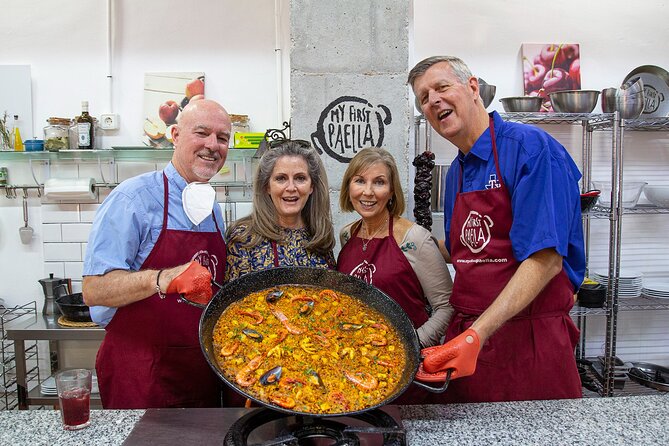
I would choose this for someone visiting Valencia who wants food, conversation, and local context in one booking. It is especially suitable for first-time visitors who want an introduction to paella without committing to a full-day food tour.
It also works well for people who have tried making paella at home and want to correct their technique. The class breaks the process into clear stages, and seeing more than one style prepared can help you understand how seafood paella differs from other versions.
Solo visitors can fit in comfortably because the meal is shared and the cooking creates easy conversation. Couples and groups of friends get a meal and an activity without arranging separate plans.
I would think twice if you dislike group cooking, have difficulty standing or walking, or want a private chef. A maximum of 20 people is manageable, but the experience is still designed around shared work rather than personal instruction.
I would also avoid a Sunday booking if the market visit is important to you. The cooking portion may still be possible, but the supplied details specifically note that the Ruzafa Market stop does not operate on Sunday.
Should you book the seafood paella class?
Yes, if you want to understand paella as part of Valencian daily life, not just order it at lunch. The market visit, hands-on cooking, sangria workshop, and long meal give you several experiences for one price.
Book it early if your schedule is fixed. The activity is commonly reserved about a month ahead, with an average booking lead time of 31 days. It is also wise to confirm the meeting point and choose a non-Sunday date if the market matters to you.
I would skip it only if your priority is a quick meal, a private lesson, or a quiet afternoon. For everyone else, this is a useful, sociable way to spend three and a half hours in Valencia, with a recipe and a better sense of local food culture to take home.
FAQ
Where does the seafood paella class begin?
It begins at the door of San Valero Parish, Carrer del Pare Perera, 6, L’Eixample, Valencia, Spain.
What time does the activity start?
The scheduled start time is 11 a.m.
How long does the experience last?
The activity lasts approximately three hours and 30 minutes.
Is the Ruzafa Market visit available every day?
No. Ruzafa Market is closed on Sunday, so the market visit is not available that day.
What food and drinks are included?
The experience includes tapas, seafood paella, Valencian tomato salad, sangria, wine, beer, soft drinks or water, seasonal fruit, Valencian cake, sweet wine, coffee, and mistela.
Is the cooking class taught in English?
English is offered. The activity may also be operated by a multilingual guide speaking English, Russian, or Spanish.
Can children join the experience?
Yes, but children must be accompanied by an adult.
More Market and Tapas Tours in Valencia
- Barcelona Paella Cooking Class with Market Visit, Tapas & Sangria
★ 5.0 · 2,531 reviews - San Sebastian Pintxo Food, Wine & Market Foodie Tour(Small Group)
★ 5.0 · 621 reviews - Madrid Tapas & Paella Cooking Experience with Local Market Visit
★ 5.0 · 432 reviews - Alicante Paella Cooking Class, Tapas, Drinks and Market
★ 4.9 · 301 reviews
Recently reviewed in Valencia
- Valencia: Wine Tasting and Tapas Experience★ 4.5 · 38 reviews
- City of Arts & Sciences Tour with Rooftop Tapas & Wine★ 5.0 · 41 reviews
- Valencia Paella & Tapas Home Cooking Class with Local Chef Jose★ 5.0 · 69 reviews
- Craft Beer Tasting and tapas in Valencia★ 4.9 · 70 reviews
- Vegetable Paella cooking class, tapas and Ruzafa market visit★ 5.0 · 79 reviews
- Valencia Tapas Crawl by Food Lover Tour★ 5.0 · 78 reviews
- Valencia Food Tour: Tapas, Drinks and Delights with a Local★ 5.0 · 93 reviews
- Shore Excursion: City Tour with Tapas in 11th Century Monument★ 5.0 · 113 reviews
Paella Cooking Classes, compared.
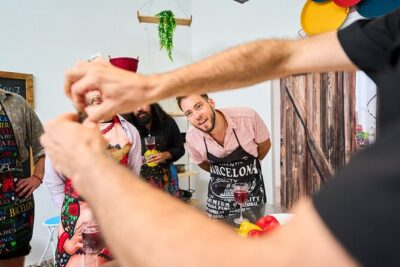
Barcelona Paella Cooking Class with Market Visit, Tapas & Sangria
Read our review →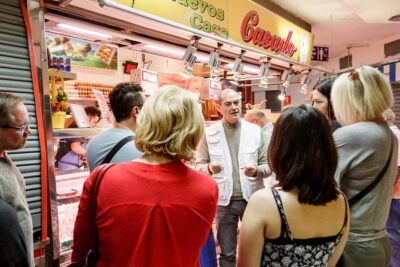
Spanish Cooking Class Paella Tapas and Sangria in Madrid
Read our review →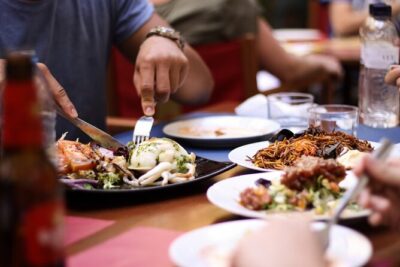
Barcelona Food Tour: Tapas, Paella, Sangria & 8+ Local Tastings
Read our review →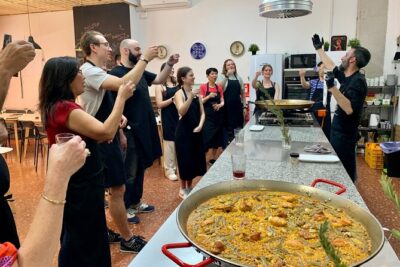
Valencian paella cooking class, tapas and visit to Ruzafa market.
Read our review →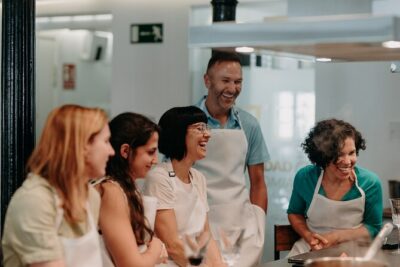
Madrid Tapas & Paella Cooking Experience with Local Market Visit
Read our review →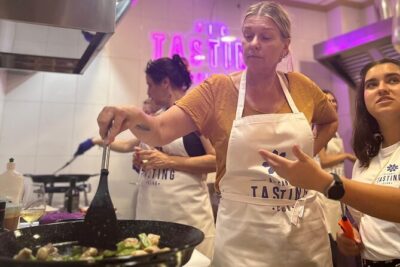
Alicante Paella Cooking Class, Tapas, Drinks and Marketplace
Read our review →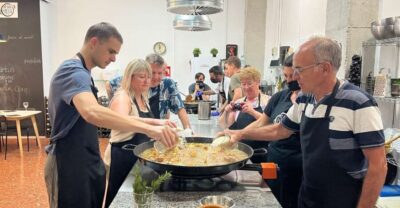
Evening Guided Paella Workshop, Tapas, and Drinks
Read our review →