
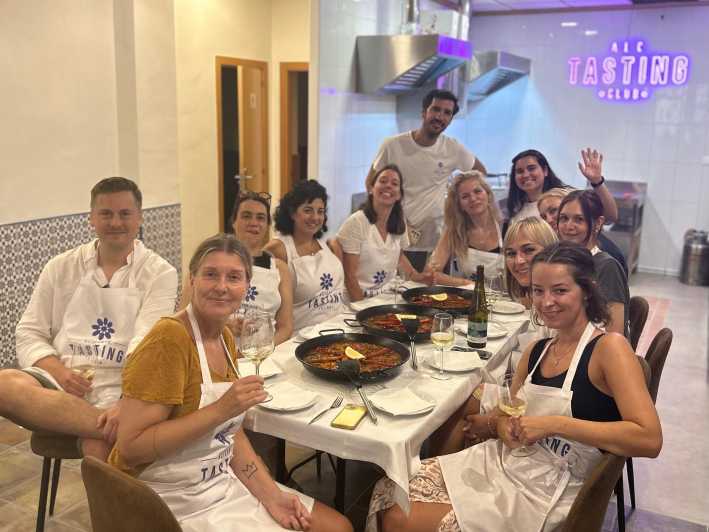
REVIEW · PAELLA COOKING CLASSES
Alicante Paella Cooking Class, Tapas, Drinks and Market
Alicante’s best food lesson begins before the cooking. You walk through the Central Market, learn how local ingredients fit into Alicante cooking, and help choose what will become your meal. Then, in a purpose-built kitchen about five minutes away, a local chef guides you through rice dishes, tapas, and drinks.
I like the market-to-table format, and I like that you do more than stir a pan. You help prepare the ingredients, learn the local approach to arroz, and eat several versions together. The main consideration is that this is a shared group class, so your hands-on time can depend on the group size. A larger group may mean more people around each dish.
Key points
- The Central Market comes first: Learn about Alicante produce, vendors, and market history before cooking.
- Three rice choices may be prepared: Meat, seafood, and vegetarian or vegan options are available.
- The class is genuinely hands-on: You help prepare ingredients, cook, and serve the food.
- Tapas and drinks are part of the meal: Expect traditional small plates, local wine, sangría, water, and other beverages.
- Guides bring local character: Cristina, Andrea, and Marina are among the guides praised for clear instruction and warm hosting.
- You leave with recipes: The class gives you something practical to recreate at home.
From Alicante’s Central Market to the Paella Pan
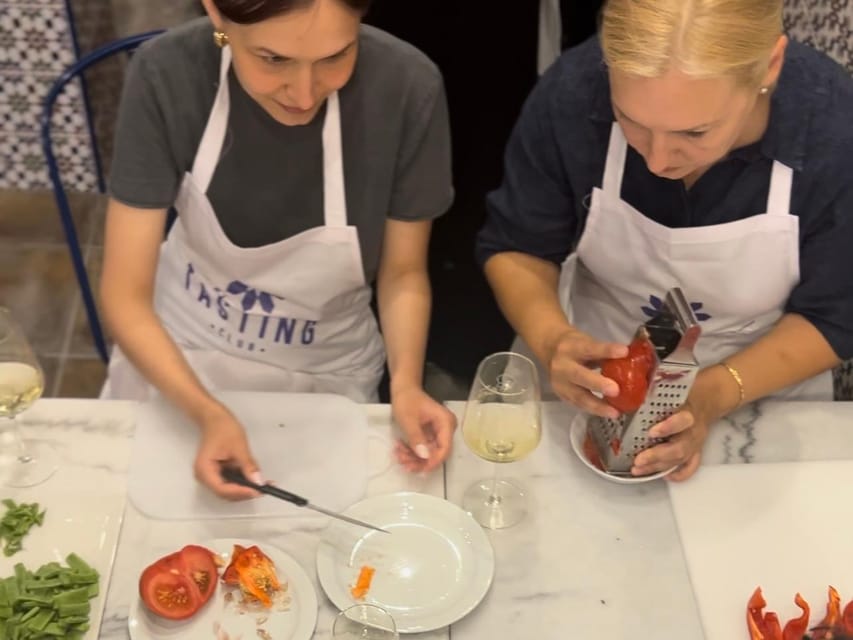
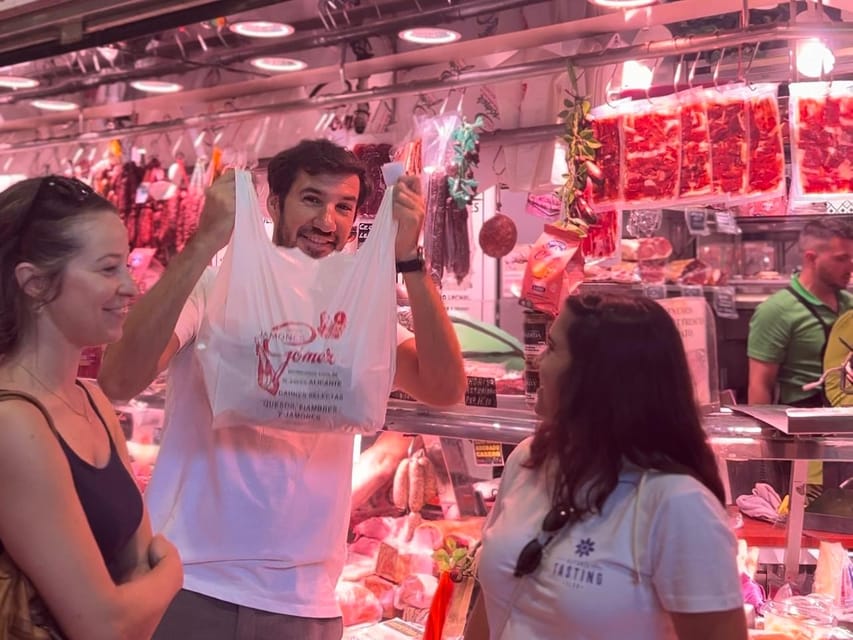
This is a food class with a useful sense of place. Instead of beginning in a generic kitchen with ingredients already laid out, you start at a local market. That first hour connects the finished dish to Alicante’s food culture, and it gives you a better idea of what locals buy and cook.
The market visit is guided in English or Spanish. You may hear about the building, its vendors, the produce on display, and the role of rice in local cooking. Guides such as Cristina have also shared stories about Alicante and the market’s past, so this part is more than a shopping errand.
You will help buy the ingredients needed for the class. That matters because you can see the raw materials before they are cleaned, chopped, seasoned, or placed in the pan. For seafood dishes, the preparation can include learning how to handle fresh squid. For other versions, you may work with meat, vegetables, or a mix of ingredients.
The market is also the point where the experience feels most connected to everyday Alicante. You are not simply watching a chef perform. You are seeing the food in its normal setting, then carrying that knowledge into the kitchen.
More Paella Cooking Classes in Spain:
- Barcelona Paella Cooking Class with Market Visit, Tapas & Sangria
★ 5.0 · 2,531 reviews - Spanish Cooking Class Paella Tapas and Sangria in Madrid
★ 5.0 · 1,340 reviews - Barcelona Food Tour: Tapas, Paella, Sangria & 8+ Local Tastings
★ 5.0 · 1,275 reviews
A Five-Minute Walk to the Cooking Kitchen
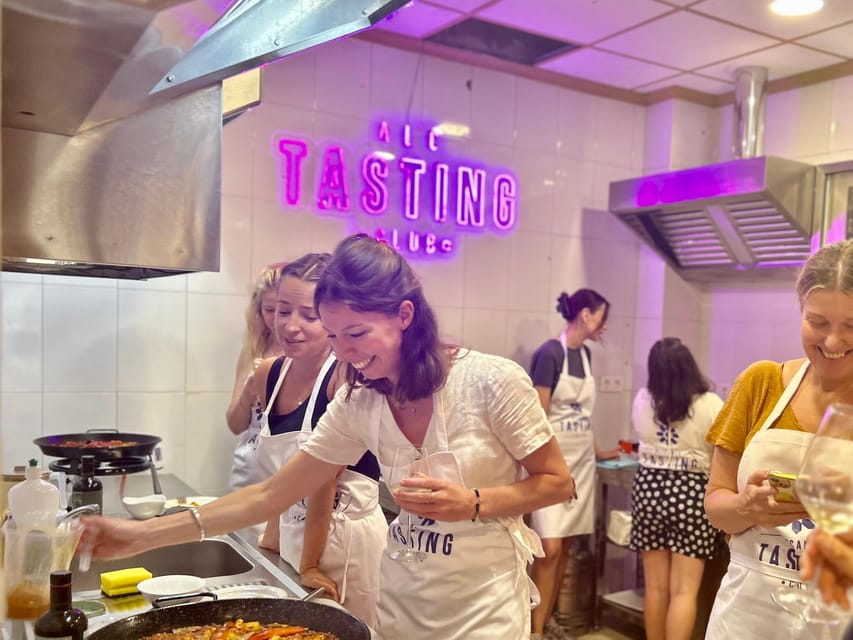
After the market, the group walks roughly five minutes to a purpose-built kitchen or cooking space. That short transfer keeps the experience easy to follow and avoids the nuisance of a long ride between activities.
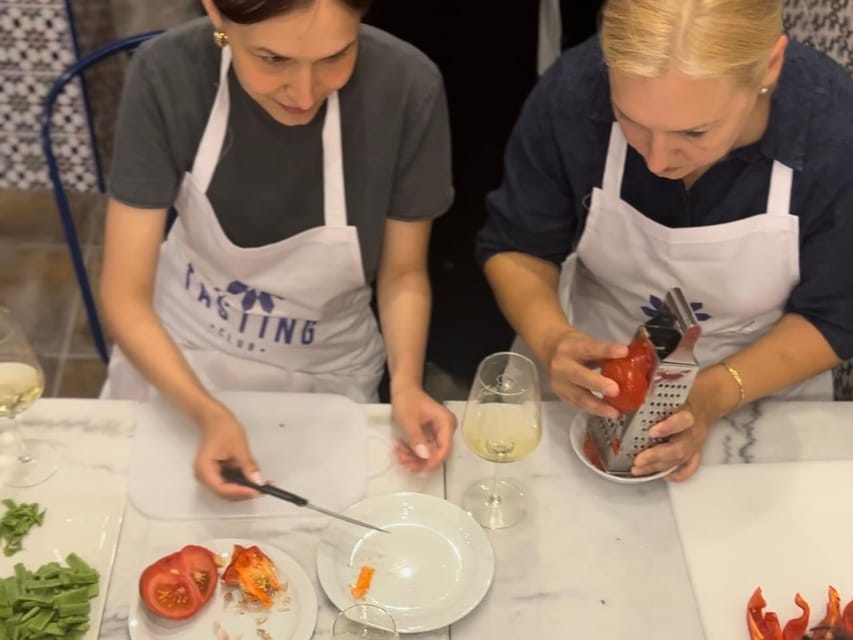
The kitchen is set up for shared cooking. You will prepare ingredients, help with tapas, and work together on one or more rice dishes. The chef or guide explains the steps as you go, so you do not need advanced cooking skills.
This is a good class for beginners because the guides focus on practical instruction. You can expect advice on preparation, timing, and the small decisions that affect the final rice. Experienced cooks can still pick up useful methods. One participant who cooks professionally found the class worthwhile and took away new tips.
The exact division of work depends on the group. A small group may allow more direct participation at the pan. In a larger group, you may work in teams or take turns. That can slightly reduce individual control, but it also lets the group prepare several versions of Alicante-style arroz.
Alicante Rice Is More Than a Tourist Paella
The experience presents paella in a wider local context. Alicante has its own rice traditions, and the class may prepare different forms of arroz de Alicante, including seafood, meat, and vegetarian versions.
That variety is one of the strongest parts of the activity. If the group prepares all three, you can compare the flavors instead of treating paella as one fixed recipe. Seafood may appeal to you if you want a stronger taste of the coast, while chicken or meat offers a more familiar option. A vegetarian or vegan version makes the class workable for plant-based diners.
Food preferences should be communicated when you book or arrive. The experience specifically offers meat, seafood, vegetarian, and vegan choices, but the way those options are organized may depend on the group and the day.
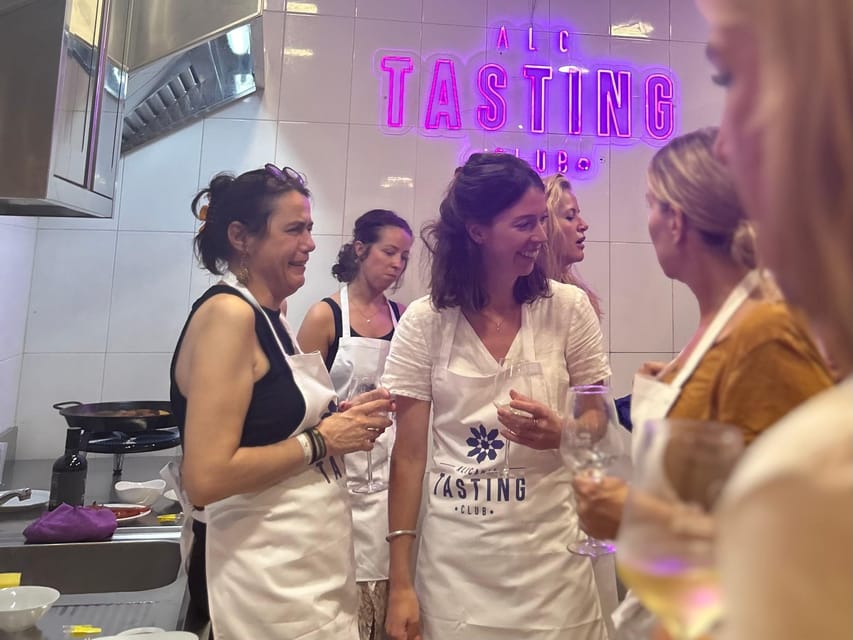
The cooking is collaborative. You may chop, prepare seafood, assemble ingredients, watch the pan, or help with tapas and salad. The guides aim to include everyone, including solo participants and people who are not confident in the kitchen.
Tapas, Local Wine, and Sangría Fill Out the Meal
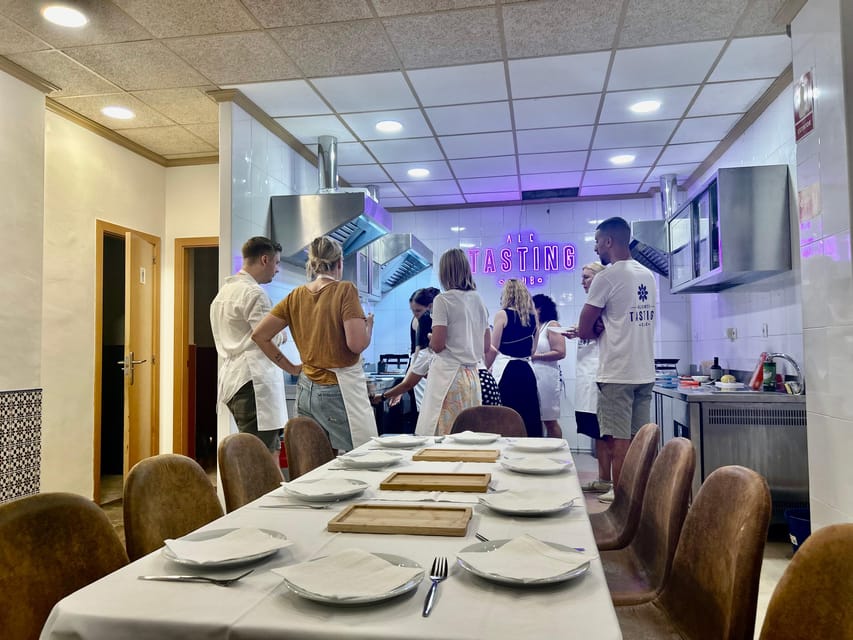
The paella is the headline, but the tapas and drinks make the three-and-a-half-hour format feel like a full food outing. While the rice cooks, you can sample traditional tapas and share drinks with the group.
Local wine and sangría are included, along with water and other beverages. This is not a tasting where you receive one small sample and move on. Drinks are served throughout the cooking and meal, according to the experience details and participant accounts. If you do not drink alcohol, nonalcoholic beverages are available.
The tapas also give you something to eat while the rice develops. Paella needs time, and a good class should not leave you watching an empty pan. Here, the waiting period becomes part of the social meal.
I would treat the drinks as a pleasant extra rather than the main reason to book. The value is in the combination of market visit, instruction, food, and a relaxed shared table. If you are expecting a serious wine class, this is not that. Wine and sangría support the meal rather than take center stage.
More Market and Tapas Tours in Spain:
- Valencian paella cooking class, tapas and visit to Ruzafa market.
★ 5.0 · 828 reviews - San Sebastian Pintxo Food, Wine & Market Foodie Tour(Small Group)
★ 5.0 · 621 reviews - Madrid Tapas & Paella Cooking Experience with Local Market Visit
★ 5.0 · 432 reviews - Seafood paella cooking class, tapas and visit to Ruzafa market.
★ 5.0 · 328 reviews
The Guides Make the Difference
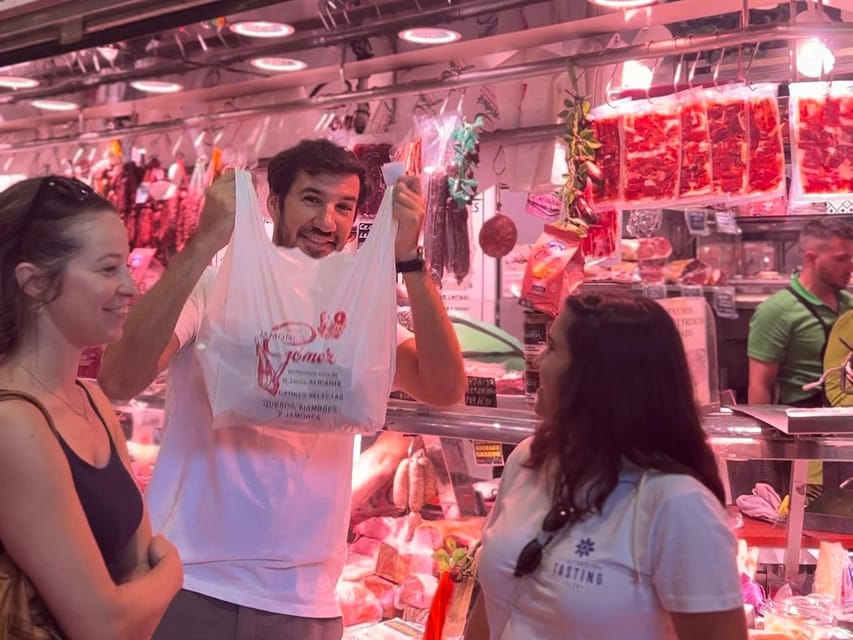
The teaching style appears to be warm, patient, and participatory. Cristina is often singled out for her clear explanations, humor, and ability to bring quiet participants into the group. Andrea is praised for her easygoing hosting and passion for Alicante food. Marina is described as friendly, attentive, and good at explaining the steps.
Several guides may lead the activity, so you should not book solely around one individual. Still, the repeated pattern is useful: the hosts explain the food, share local context, and keep the class moving without making it feel like a formal school lesson.
That balance suits most people. You get instruction, but also time to talk with the others at the table. Solo visitors can fit in easily, and couples or families can work together. The class has also worked well for families with teenagers, including young people who were initially unsure about cooking.
The atmosphere is part of the product. You are expected to participate, but not to perform. If you make a mistake, the guide can usually correct it before dinner. That makes this a better choice for a first cooking class than a rigid session where every step must be exact.
How Much Food and Cooking Will You Get for $58?
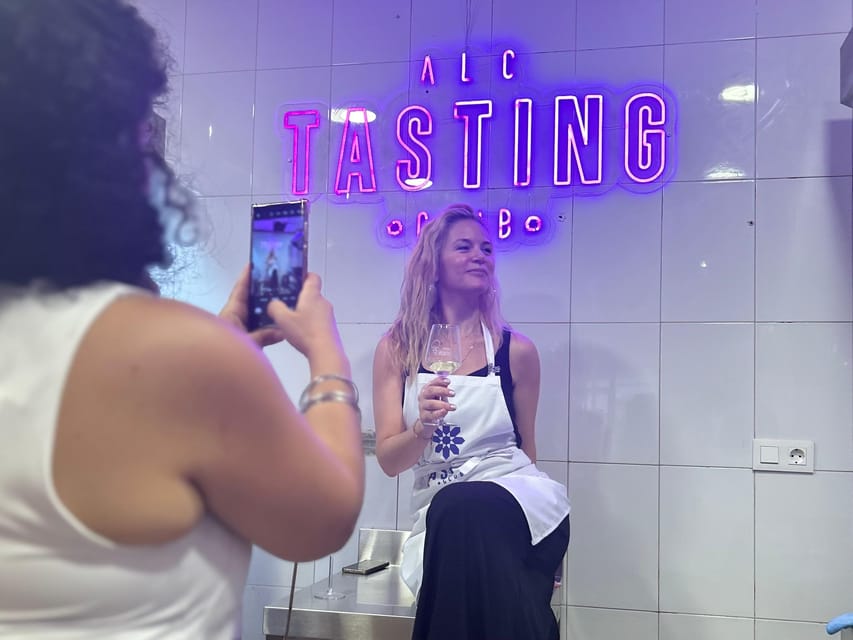
At $58 per person, the price is fair for a 3.5-hour activity that includes a market visit, a hands-on class, tapas, local wine, sangría, other drinks, the main meal, and recipes to take home.
The value improves if you count the market tour as a cultural activity rather than free shopping time. You are paying for the guide’s explanation, kitchen use, ingredients, food service, and instruction. You also avoid paying separately for lunch or dinner afterward because the finished rice is the main meal.
The experience is less valuable for someone who wants a short demonstration only. You will spend a good part of an afternoon or evening moving through the market, preparing ingredients, waiting for the rice, and eating with the group. That is the point, but it requires time.
The included recipe is a useful touch. You may not recreate the dish perfectly on your first attempt, but you leave with a method instead of only a memory. The class can pay off again if you make the rice at home.
Timing, Group Size, and Practical Details
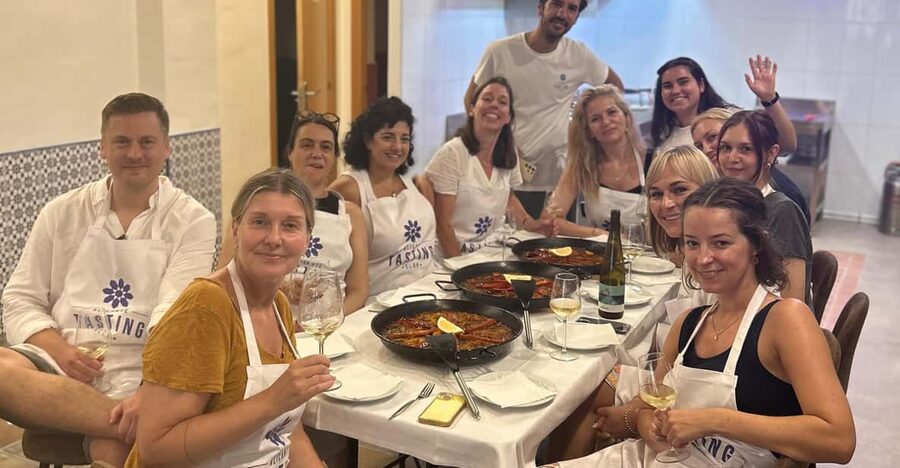
The activity lasts about three and a half hours, with start times depending on availability. Plan for the full period rather than assuming you can leave after the market. The cooking and shared meal are the core of the experience.
The market and kitchen are close together, and the walk between them is about five minutes. Comfortable shoes make sense, especially since the first part takes place on a market visit rather than in a seated room.
Group size can vary. A small group may feel more personal, while a larger group can allow several rice preparations at once. If you want constant control of your own paella pan, ask about the expected group size before booking. If you enjoy meeting people and trying several dishes, a larger group may work in your favor.
The activity is wheelchair accessible. English and Spanish are offered, and the live guide explains the class in one of those languages. Free cancellation is available up to 24 hours before the start time, and you can reserve now and pay later if that option is offered at booking.
Who Should Book This Alicante Food Class?
I would recommend it to first-time visitors who want a practical introduction to Alicante food. The market gives you local context, and the kitchen gives you a skill you can use after the trip.
It is also a strong choice for solo visitors. The shared cooking format makes it easy to meet people without forcing you into a formal social activity. Couples can treat it as a hands-on date, while families with teenagers get a meal, a lesson, and a local cultural experience in one outing.
Food-focused visitors should like the chance to compare seafood, meat, and vegetarian rice. The class is also useful for anyone who has already taken a paella class elsewhere but wants to see Alicante’s own style.
I would be more cautious if you dislike group activities, do not want alcohol served around the table, or expect a private chef lesson. You may also find the pace slow if you only want to eat paella and have no interest in the market or preparation.
Should You Book It?
Book this Alicante paella class if you want more than a restaurant meal. The strongest combination is the Central Market visit, the practical cooking, and the generous shared meal with tapas and drinks.
For $58, you receive a substantial half-day experience rather than a quick photo opportunity. The only real uncertainty is how much direct cooking time you will get in your particular group. If that tradeoff works for you, this is a smart way to spend three and a half hours in Alicante, and the take-home recipe gives the experience a useful afterlife in your own kitchen.
FAQ
How long does the Alicante paella cooking class last?
The experience lasts approximately 3.5 hours.
What happens first?
You begin with a guided visit to a local market, identified in the experience and participant accounts as Alicante’s Central Market. You help buy the ingredients needed for cooking.
How far is the kitchen from the market?
The cooking location is about a five-minute walk from the market.
What types of paella or rice dishes are available?
Meat, seafood, vegetarian, and vegan options are available. The group may prepare several Alicante-style rice dishes.
Are tapas included?
Yes. A selection of traditional tapas is included during the cooking experience.
Are drinks included?
Yes. Local wines, sangría, water, and other beverages are included.
Is this class suitable for beginners?
Yes. The class is designed for people with different cooking abilities, and the guides explain the process step by step.
What languages are offered?
The live guide is available in English and Spanish.
Is the activity wheelchair accessible?
Yes, the activity is listed as wheelchair accessible.
More Spanish Cooking Classes in Spain
- Taste of Spain: Tapas Cooking Class with Bottomless Wine Pairing
★ 5.0 · 414 reviews - Alicante Paella Cooking Class, Tapas, Drinks and Marketplace
★ 5.0 · 349 reviews - Premium Paella Cooking Class & 10 Spanish Tapas
★ 5.0 · 312 reviews - Valencian Paella Cooking Class, Tapas & Sangria – Evening
★ 5.0 · 303 reviews
Recently reviewed in Spain
- Wine Tasting and Tapas in the ancient Town of Zaragoza★ 5.0 · 66 reviews
- Evening traditional tapas walking tour in old Zaragoza center★ 5.0 · 19 reviews
- Valencia: Wine Tasting and Tapas Experience★ 4.5 · 38 reviews
- Zaragoza: Evening Tapas Walking Tour in the Old Town★ 4.9 · 37 reviews
- Barcelona : Gothic, Tapas, Churros & Vermouth★ 5.0 · 65 reviews
- City of Arts & Sciences Tour with Rooftop Tapas & Wine★ 5.0 · 41 reviews
- Midday market and tapas tour of Zaragoza★ 5.0 · 24 reviews
- Seville: Tapas Tour Across the River in Triana★ 4.8 · 48 reviews
Paella Cooking Classes, compared.
Barcelona Paella Cooking Class with Market Visit, Tapas & Sangria
Read our review →
Spanish Cooking Class Paella Tapas and Sangria in Madrid
Read our review →
Barcelona Food Tour: Tapas, Paella, Sangria & 8+ Local Tastings
Read our review →
Valencian paella cooking class, tapas and visit to Ruzafa market.
Read our review →
Madrid Tapas & Paella Cooking Experience with Local Market Visit
Read our review →
Alicante Paella Cooking Class, Tapas, Drinks and Marketplace
Read our review →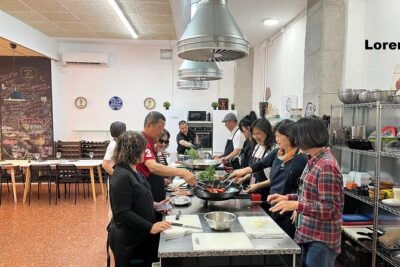
Seafood paella cooking class, tapas and visit to Ruzafa market.
Read our review →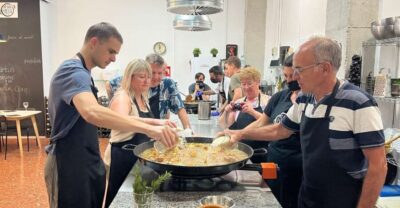
Evening Guided Paella Workshop, Tapas, and Drinks
Read our review →Browse the lists this tour appears in