
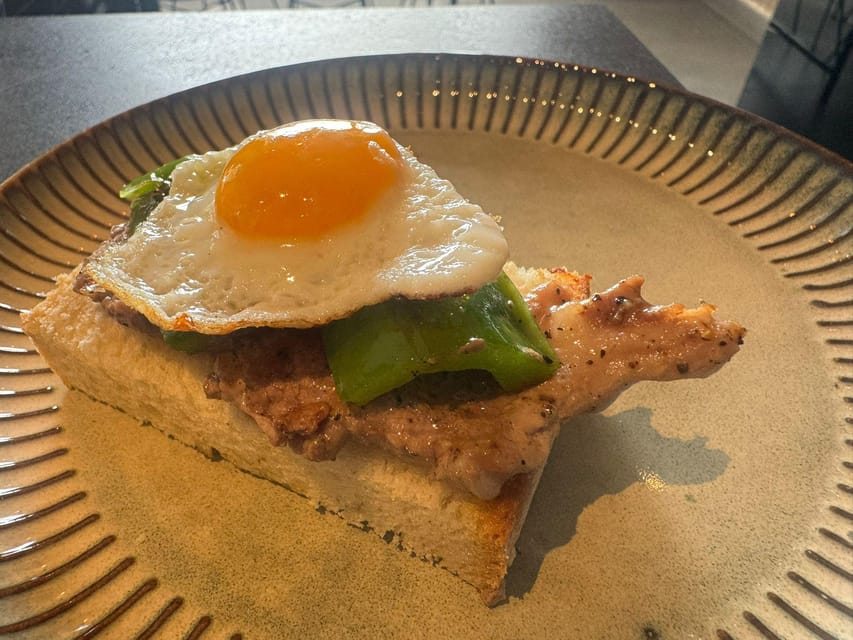
REVIEW · MARKET AND TAPAS TOURS
Malaga: The Ultimate Tapas Workshop with Market Visit
Málaga’s tapas tradition makes the most sense when you cook it yourself. This three-hour class takes you from the Atarazanas Market to Kulinarea’s kitchen, where you prepare several small plates instead of watching a chef do all the work. Guides such as Felipe, Carmen, Alba, Javier, and Anais have helped make the market visit and kitchen time clear, social, and easy to follow.
I like two things right away: you close the loop by eating what you make, and the class includes a useful look at local ingredients before the cooking begins. The apron and recipes are practical extras, too. The main caution is that the market visit is available only in daytime sessions from Monday to Saturday, and the class is not suitable for vegans. The menu can also change with the season.
Key points at a glance
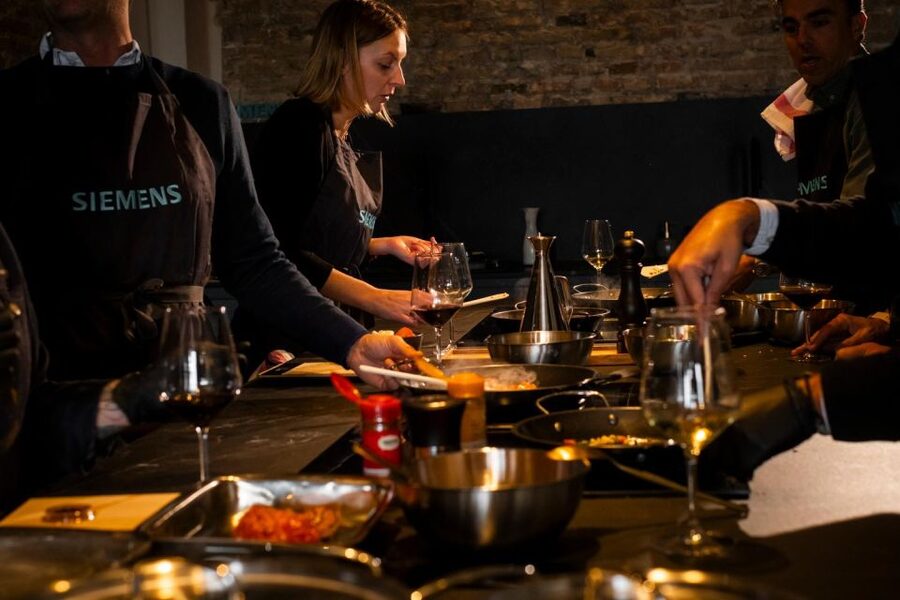
- Atarazanas Market visit: Daytime classes start with a walk through Málaga’s central food market, while evening and Sunday classes go directly to the kitchen.
- Hands-on cooking: You prepare the food yourself, including tortilla de patatas, crispy noodles, a meat dish, and churros.
- Local drinks included: Sangría, selected regional wine, beer, or soft drinks are part of the experience.
- Friendly teaching style: Guides including Felipe, Carmen, Alba, Javier, Anais, and Pepo are praised for clear explanations and making sure everyone takes part.
- Useful take-home gifts: You receive the recipes and a Kulinarea apron, so the class can continue in your own kitchen.
- Good fit for vegetarians with notice: Adjustments have been made for vegetarian diners and allergies, but you must explain dietary needs before the class.
Starting at Atarazanas Market in Málaga
If you choose a morning session from Monday through Saturday, the experience begins with a short walk to Atarazanas Food Market. This is more than a quick photo stop. It gives you a chance to see the produce, meat, fish, and other ingredients that shape everyday Andalusian cooking before you handle them in class.
Felipe has been praised for explaining the foods in the market and pointing out other places of interest along the way. Anais has also been appreciated for giving useful local context without burying the group in facts. That balance matters. A food market tour works best when you learn enough to understand what you are seeing, then move on before your attention wanders.
The market helps explain why Spanish tapas can be simple. A good tortilla depends on potatoes, eggs, oil, and careful cooking. A sauce can turn a basic cut of meat into something special. The class uses cooking to show you that Spanish food is often about good ingredients and shared preparation rather than a long list of complicated steps.
Keep the schedule in mind. The market is closed on Sundays, evenings, and national holidays, so those sessions begin at Kulinarea’s kitchen instead. You still receive the cooking portion, but you will not get the market walk. If seeing Atarazanas is important to you, check the starting time and day before booking.
More Market and Tapas Tours in Malaga
- Malaga Market Food Tour: Tapas, Drinks, and Local Flavors
★ 5.0 · 78 reviews - PREMIUM TAPAS TOUR: Paella, Market Tastings, and Winery
★ 4.7 · 27 reviews - The Málaga Market & Tapas Tour By Food Lover Tour
★ 5.0 · 23 reviews
Cooking in Kulinarea’s Soho kitchen
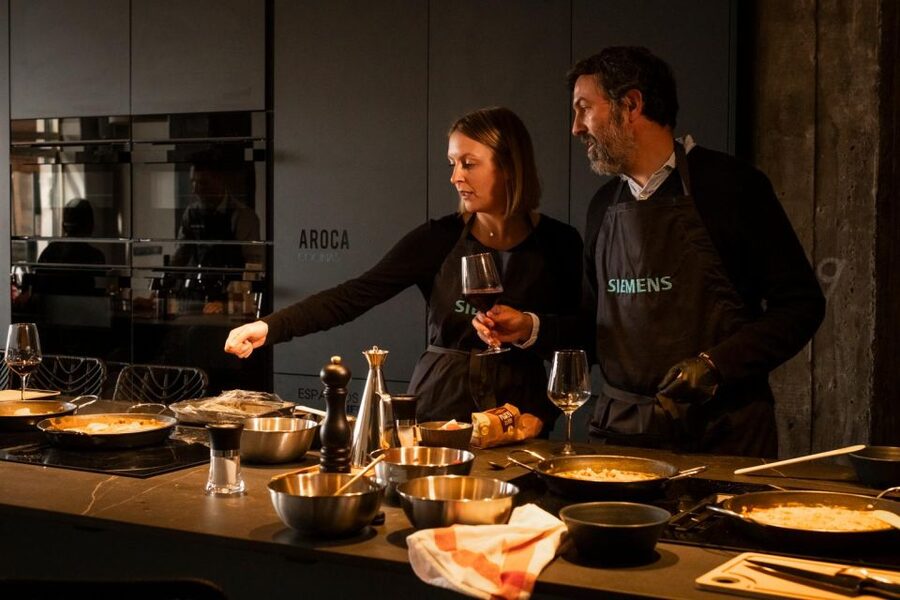
The cooking takes place at Kulinarea, at Av Manuel Agustín Heredia 24, in Málaga’s Soho district. The kitchen is close to the market and described as fully equipped, with all ingredients and equipment supplied. You do not need to bring cooking tools or shop for anything first.
The key difference here is participation. You are not simply watching a chef prepare a plate and then receiving a taste. The chef guides you through the work, and the group prepares the food together. That makes the class useful for home cooks, but it also gives complete beginners a clear way into Spanish cuisine.
Several people have singled out the teaching style. Alba is praised for clear instructions and for making sure everyone had a chance to cook. Javier is described as informative and inclusive, while Carmen and Pepo helped create a relaxed atmosphere. The names may vary by session, but the format remains the same: a local chef leads the cooking, and an English-speaking guide helps the group follow along.
This shared setup can be a plus if you are traveling alone or want an easy social activity. You cook and eat with people you may not know, but the food gives everyone something to talk about. It is less formal than a restaurant meal and more structured than simply joining a bar crawl.
The sample menu, from sangría to churros
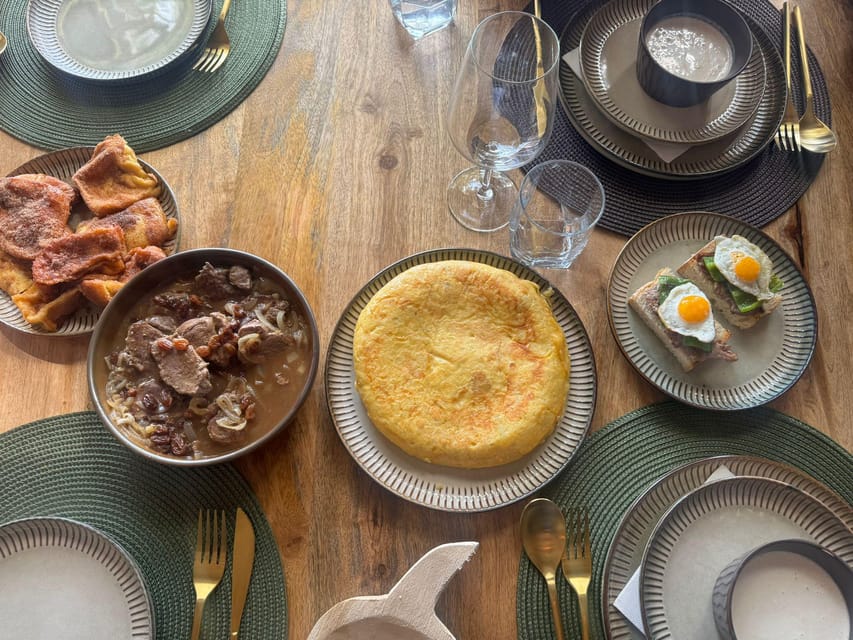
The menu is designed to cover several familiar parts of Spanish cooking. It is a sample rather than a fixed promise, since dishes can change with seasonal ingredients or dietary needs.
You begin with sangría, a classic introduction to the relaxed side of Spanish dining. Since drinks are included, this is not an extra charge added once you sit down. Wine, beer, or soft drinks are also available, although other drinks are not included.
The food may include:
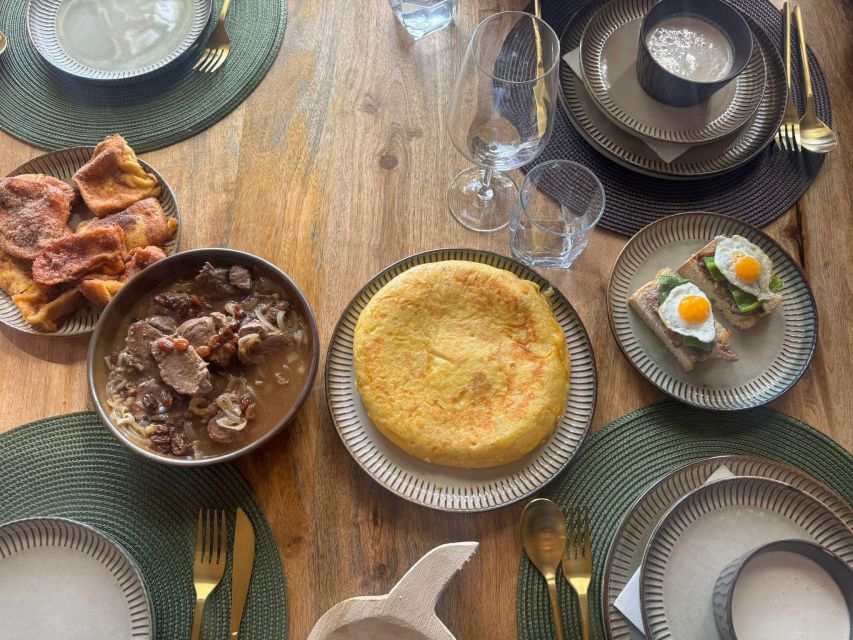
- Fideos tostados, or crispy noodles
- Tortilla de patatas, the Spanish potato omelette
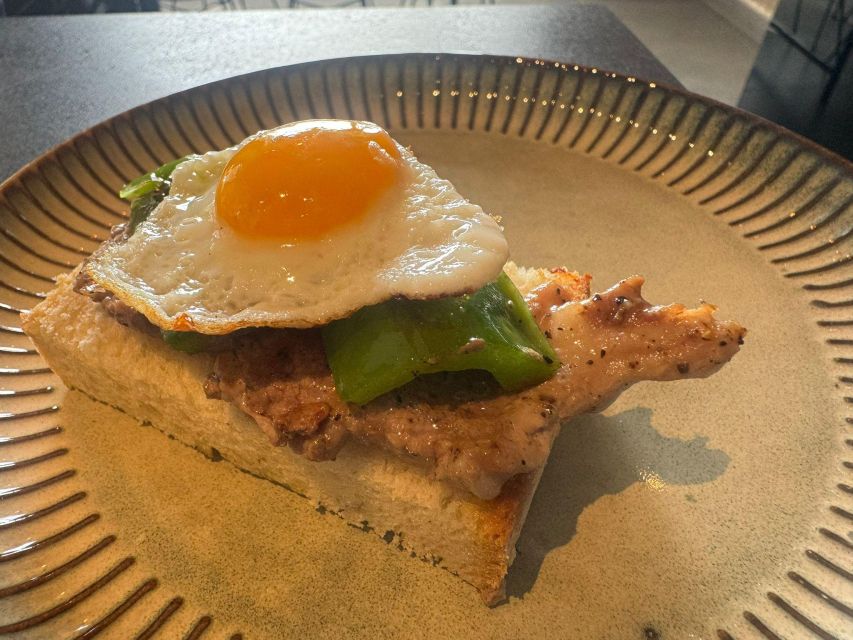
- Solomillo al Pedro Ximénez, sirloin with a sweet Pedro Ximénez sauce
- Churros
The tortilla is likely to be the most useful lesson for many people. It looks humble, but the texture depends on timing and technique. One participant described it as the best tortilla they had tasted and left with a better understanding of how high-quality, simple ingredients can produce a strong dish.
The Pedro Ximénez sirloin adds a richer, more polished course to the menu. The sauce brings a different flavor from the potato omelette, while the noodles provide a crisp element. Churros finish the meal with something sweet and familiar.
The menu may sometimes include four tapas and a surprise dessert rather than exactly the sample list above. That flexibility is worth remembering if you have your heart set on one particular dish. The broader point is that you get several styles of tapas, not just one recipe repeated in different forms.
Why the hands-on format matters
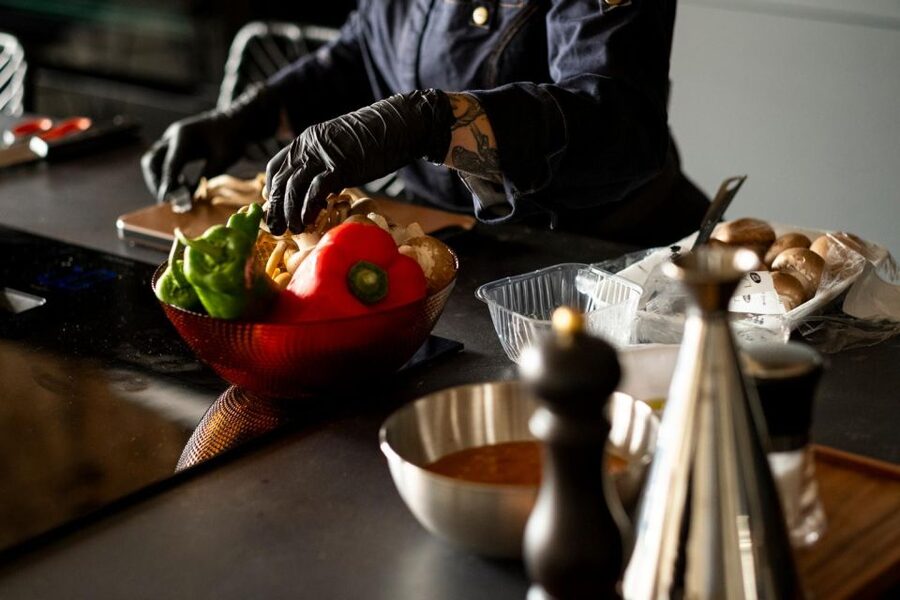
Many cooking activities let you chop a little, then hand the pan back to the chef. This class is presented as a fuller process. You prepare the food, follow the cooking steps, and then eat the result with the rest of the group.
That difference gives the class more value than a standard tasting. You learn what goes into each dish and gain a better chance of making it again at home. Recipes are provided afterward, so you do not have to rely on memory or hurried notes.
The class also explains the social meaning of tapas. Tapas are not just tiny portions. They are a way of ordering several dishes, sharing food, and making a meal feel communal. The cooking format mirrors that idea. Each person contributes, and the final meal belongs to the whole group.
I also like that the food is not treated as a museum piece. The class connects recipes to daily life, local shopping, and the pleasure of sitting down together. That makes it a stronger choice for anyone who wants context, not just a list of ingredients.
Same streets, a different round:
- Caminito del Rey & White Village Tour with Tapas from Málaga
★ 4.9 · 2,209 reviews - Malaga Wine & Tapas Small Group Guided Tour
★ 5.0 · 1,972 reviews - Málaga: Wine & Tapas Tour
★ 4.8 · 1,039 reviews - Taste of Malaga Tour : Tapas, History and Local Customs
★ 5.0 · 758 reviews
Drinks, conversation, and the final meal
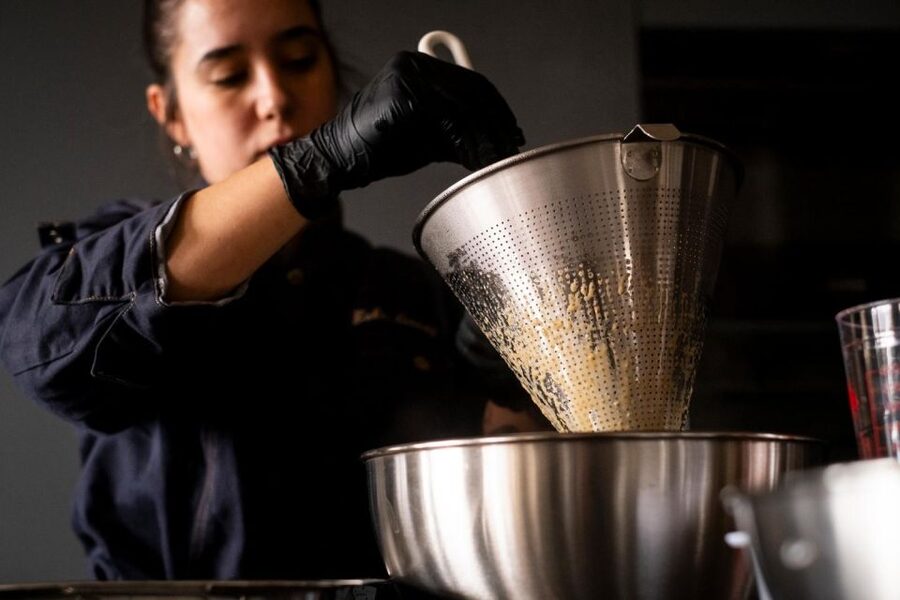
Once the cooking is finished, you eat the food you helped prepare. This is the most satisfying part of the schedule because you can judge the results while the steps are still fresh in your mind.
Selected local wines made from regional grapes are included, along with sangría, beer, or soft drinks. The drink selection adds real value to the $78 price, especially compared with cooking classes that charge separately for wine or only include a single welcome drink.
The meal is also where the social side of the class comes together. One participant described cooking and socializing with complete strangers in a relaxed atmosphere. That is a fair way to think about the experience: it is both a lesson and a shared lunch or dinner.
Do not expect a quiet, private restaurant meal. You are part of a group, and the pace follows the cooking schedule. If you prefer to eat alone or want a long, leisurely evening with your own table, a normal tapas restaurant will suit you better. If you enjoy conversation and a meal with a story behind it, this format works well.
Dietary needs and who should think twice
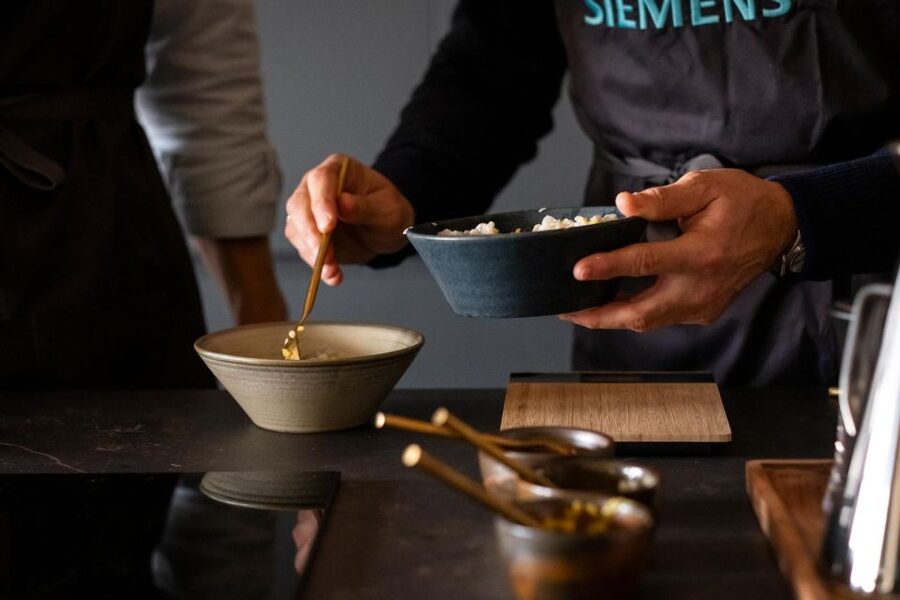
Vegetarians should tell Kulinarea about their needs before the class. A vegetarian participant received adapted recipes and was able to cook and eat the food with the group. The team has also accommodated allergies, including ingredient changes and care to avoid cross-contamination.
That is encouraging, but advance notice remains essential. The listed experience is not suitable for vegans, and the menu can change according to dietary requirements and seasonal availability. If you have a serious allergy, give clear details before arrival rather than waiting until the cooking starts.
This class suits couples, families with older children, solo visitors, and friends who want something more active than a food tour. It is especially useful during a short Málaga visit because it combines a market look, a cultural lesson, a meal, and recipes in three hours.
It is less suitable for anyone who cannot take part in kitchen work or who wants a fully passive tasting. Baby strollers, bikes, baby carriages, and bare feet are not allowed. The supplied information does not describe accessibility beyond those restrictions, so ask Kulinarea directly if you have specific mobility needs.
Is $78 a fair price?
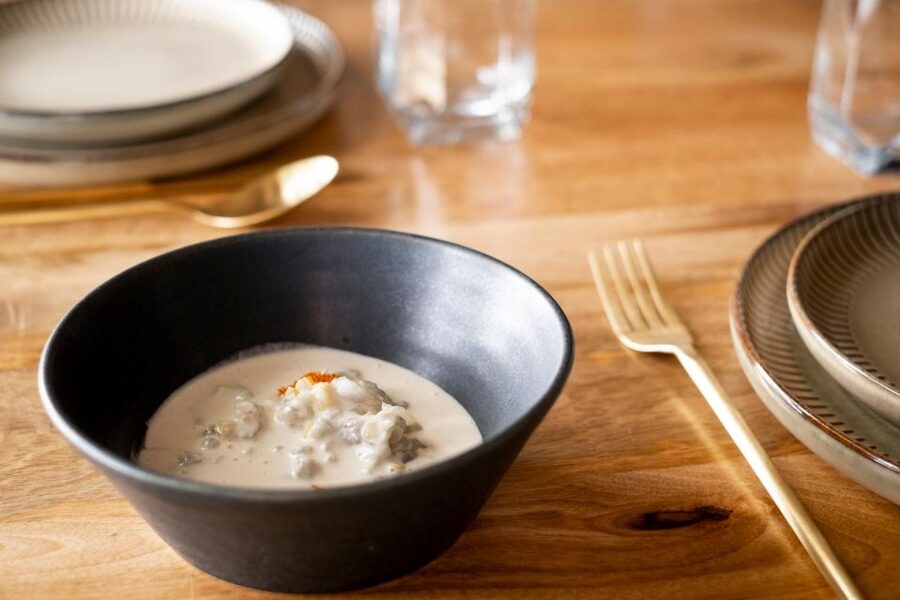
At $78 per person, the class is not the cheapest way to eat tapas in Málaga. You can order small plates in the city for less, especially if you are watching your spending.
But the comparison is not really with a restaurant meal. The fee covers a three-hour activity, a daytime market visit when available, ingredients, cooking equipment, a local chef and guide, sangría, wine, beer, or soft drinks, the meal itself, recipes, and a Kulinarea apron.
The strongest value comes from the hands-on work. You are paying for instruction and an activity, not only for finished food. The recipes and apron give the experience some use after your trip, while the market walk adds local setting and context.
I would call the price reasonable for a visitor who wants one structured food experience in Málaga. It is less compelling if you mainly want a cheap lunch, already plan to take several food tours, or do not enjoy cooking. For a special trip, the combination of food, conversation, and a practical souvenir makes the fee easier to justify.
Timing, meeting point, and simple planning tips
The meeting point is Kulinarea, Av Manuel Agustín Heredia 24. An underground car park called Parking de La Marina is opposite the meeting point, which is useful if you are arriving by car.
The full activity lasts three hours. Daytime classes from Monday to Saturday include the walk to Atarazanas Market. Evening classes, Sunday sessions, and national holidays skip the market because it is closed.
I would book a daytime weekday or Saturday session if the market matters to you. Choose an evening class if you would rather focus on the kitchen and shared meal, or if that time fits your sightseeing plans better.
Cancellation is free up to 24 hours before the start, and you can reserve now and pay later. English is the stated tour language. Pick-up and drop-off are not included, so plan to reach the meeting point yourself.
Should you book the Kulinarea tapas workshop?
Book it if you want to understand Málaga through its food and prefer to take part rather than sit back. The market walk, clear teaching, included drinks, recipes, and apron give the three-hour session more substance than a simple tapas tasting.
I would give it priority during a short Málaga stay, especially if you enjoy cooking or want a social activity with a finished meal. It is also a good choice for vegetarians who give advance notice about adaptations.
Skip it if you are vegan, dislike group activities, or mainly want the lowest-cost meal in town. Also check the day and time carefully if Atarazanas Market is a must. For most food-minded visitors, though, this is a practical and friendly way to learn why Spanish tapas are built around simple food, shared work, and generous conversation.
FAQ
How long does the tapas workshop last?
The experience lasts three hours, including the market visit when that part is available and the cooking and meal at Kulinarea.
Is the Atarazanas Market visit included?
Yes, it is included in daytime classes from Monday to Saturday. The market is closed during evening sessions, on Sundays, and on national holidays, so those classes go directly to the kitchen.
What food might I prepare?
The sample menu includes sangría, crispy noodles, tortilla de patatas, sirloin with Pedro Ximénez sauce, and churros. The menu may change because of seasonal availability or dietary requirements.
Are drinks included?
Yes. Sangría and selected wine, beer, or soft drinks are included. Other drinks are not included.
Can vegetarians join the class?
Yes, vegetarian recipes can be adapted when you provide notice before the class. The experience is not suitable for vegans.
Where does the class meet?
The meeting point is Kulinarea at Av Manuel Agustín Heredia 24 in Málaga. Parking de La Marina, an underground car park, is opposite the meeting point.
Recently reviewed in Malaga
- Flamenco, Tapas and Wine Tour: Best of Málaga in one Evening★ 5.0 · 52 reviews
- The Málaga Market & Tapas Tour By Food Lover Tour★ 5.0 · 23 reviews
- PREMIUM TAPAS TOUR: Paella, Market Tastings, and Winery★ 4.7 · 27 reviews
- Wine and Tapas walking Tour in Malaga★ 5.0 · 70 reviews
- Malaga: Flamenco, Tapas, and Wine Tour★ 4.8 · 72 reviews
- Malaga Traditional Wine & Tapas Tour★ 4.5 · 78 reviews
- Malaga Market Food Tour: Tapas, Drinks, and Local Flavors★ 5.0 · 78 reviews
- Malaga: Food Tour with Local Guide, Tapas, and Drinks★ 4.9 · 75 reviews
Market and Tapas Tours, compared.
Barcelona Paella Cooking Class with Market Visit, Tapas & Sangria
Read our review →
Valencian paella cooking class, tapas and visit to Ruzafa market.
Read our review →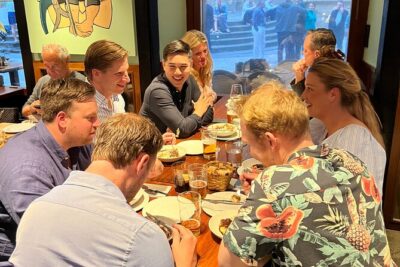
San Sebastian Pintxo Food, Wine & Market Foodie Tour(Small Group)
Read our review →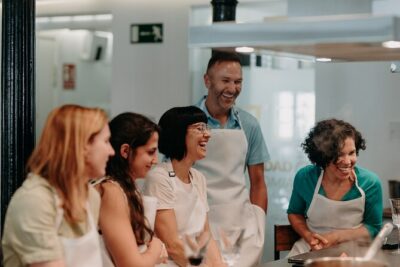
Madrid Tapas & Paella Cooking Experience with Local Market Visit
Read our review →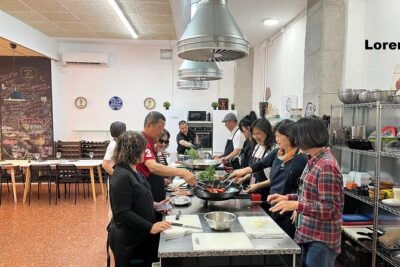
Seafood paella cooking class, tapas and visit to Ruzafa market.
Read our review →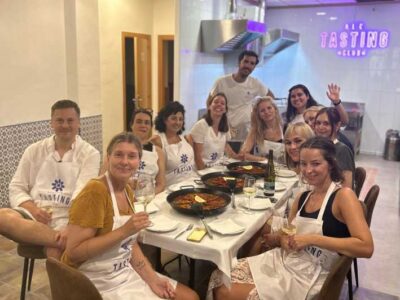
Alicante Paella Cooking Class, Tapas, Drinks and Market
Read our review →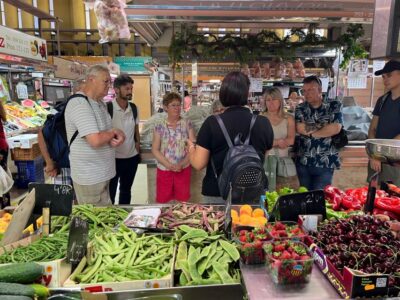
Real Paella Cooking Class – Market Visit & Sangría Workshop
Read our review →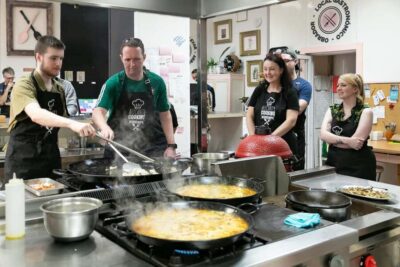
Paella & Sangria Class with Tapas and Market Visit
Read our review →Browse the lists this tour appears in