
REVIEW · PINTXOS TOURS
San Sebastian Food Tour with Pintxos & Drinks with a Local
San Sebastian’s best meal may not arrive on one plate. It comes in small bites, served at several bars as you walk through the old town. This 3.5-hour pintxos tour gives you a simple way to try local specialties without guessing what to order or stopping at every crowded doorway.
I like the fixed amount of food and drink, which makes the $105 price easier to judge, and I like the mix of eating and city history. Guides such as Kaya, Gonzalo, and Gonzo have been singled out for bringing San Sebastian’s past and local life into the walk. The main consideration is that this is a walking tour with alcohol and several stops, so it may not suit anyone with mobility limits or a very restricted diet.
Key things to know before you book
- At least four food stops: You move between several restaurants or bars rather than eating one large meal in one place.
- Classic Basque tastes: Expect possible tastings of gildas, Spanish ham, spider crab, other local tapas, and Basque cheesecake.
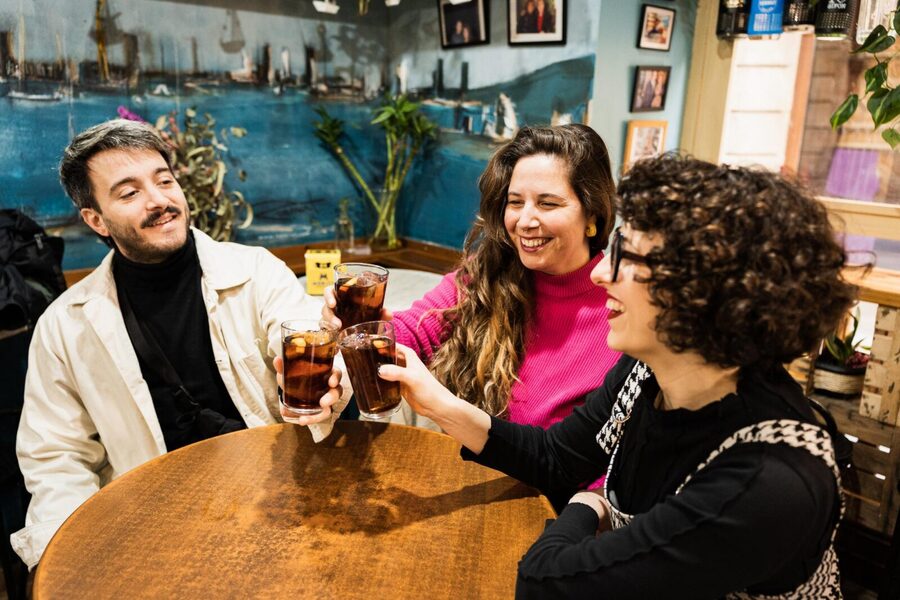
- Drinks are included: Txakoli, Rioja red wine, beer, Basque sloe liquor, water, and other listed drinks may be served according to the stop.
- A small group format: The tour operates with at least two people and accepts no more than 12.
- A useful old-town route: The walk begins near the Town Hall, passes Plaza de la Constitución, and finishes at the Church of San Vicente.
- Seasonal changes are normal: The exact food and drink selection depends on the season and partner availability.
Why a pintxos walk works well in San Sebastian
San Sebastian is a city where eating is part of the daily rhythm. Pintxos are small portions, often displayed or ordered at a bar, and the pleasure comes from trying several places rather than settling in for a single long meal.
That makes a guided walk useful on your first day. You get a ready-made introduction to the local food scene, plus a route through the old town. You do not need to identify a gilda, pronounce txakoli, or decide which pintxo looks safest from behind a crowded counter. Your guide handles the ordering and explains what is on the plate.
The format also gives you a better sense of proportion. One pintxo may be a sharp bite of anchovy, olive, and pickled pepper. Another may be seafood, ham, or something more elaborate. With several stops, you can sample a range without committing to a full plate of one dish.
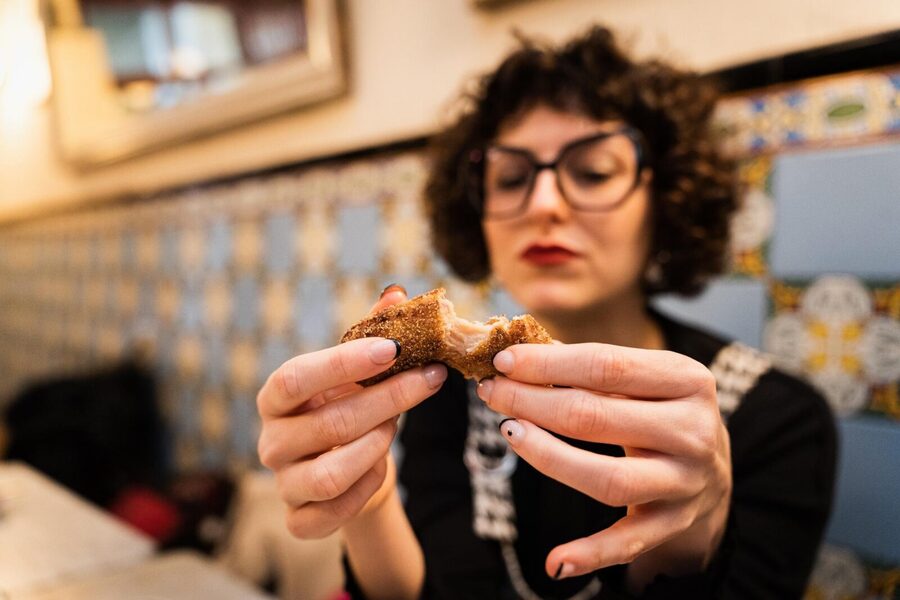
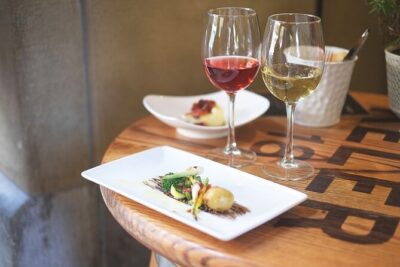
I particularly like that the food is paired with local drinks instead of treated as a separate part of the experience. Txakoli, the lightly sparkling Basque white wine, is listed alongside Rioja red wine and Basque sloe liquor. Beer and water are also included. The drink choices help you understand how the food is normally enjoyed, rather than turning the outing into a simple snack crawl.
More Pintxos Tours in Spain:
- San Sebastian Old Town Pintxos & Wine Tour Small Group Tour
★ 5.0 · 1,102 reviews - San Sebastian Pintxo Food, Wine & Market Foodie Tour(Small Group)
★ 5.0 · 621 reviews - Discover San Sebastián’s Best Pintxos on a Unique Culinary Tour
★ 5.0 · 602 reviews
Starting near the Town Hall on Ijentea Kalea
The meeting point is a tobacco shop in front of San Sebastian’s Town Hall, at Ijentea Kalea 4. This is a practical place to begin because it puts you close to the central old-town streets and the first food stop.
You should arrive in comfortable shoes. The experience lasts about three and a half hours and includes walking between food locations, so this is not a sit-down tasting with long breaks. Large bags and luggage are not allowed, and there is no hotel pickup or drop-off.
The opening section is likely where your guide sets the tone. You may hear about San Sebastian’s history, local habits, and the role of food in city life before the tastings begin. Gonzalo, also called Gonzo, and Kaya have led this experience, and their style appears to include both food guidance and city storytelling.
The guide may speak in English and Spanish during the tour. If you are comfortable hearing both languages, this can add a local feel. If you need every explanation in English, keep in mind that bilingual guiding is part of the format.
Gildas, ham, and the first small bites
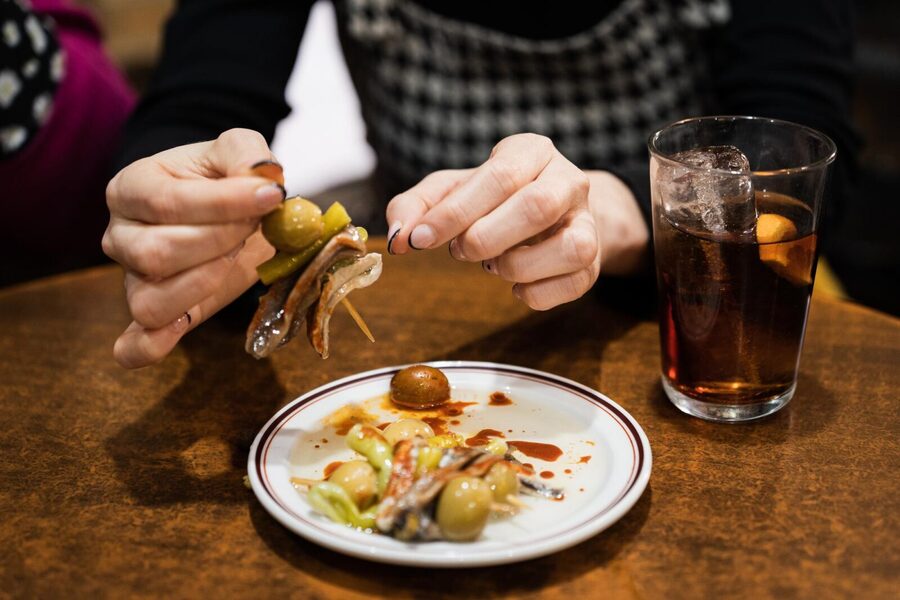
One of the possible early tastings is the gilda, a classic pintxo made with anchovies and olives, usually with a sharp, briny flavor. It is a small item, but it tells you a lot about Basque cooking: bold ingredients, strong contrasts, and no need for a large serving to make an impression.
You may also have a Spanish ham tasting. This gives the group a chance to compare the salty, delicate character of cured ham with the more acidic and savory gilda. Since the tour includes at least one serving at each stop, you should not be left with only a drink or a token sample.
The exact order of the tastings can change. Food selections depend on the season and on what the partner bars have available. That flexibility is worth accepting in San Sebastian, where a good local stop may be more important than following a rigid menu.
I would treat this part as an introduction rather than a full meal. The portions are pintxos, not restaurant-sized courses. Still, with several stops ahead, the small servings are what make the whole route manageable.
Plaza de la Constitución and the old-town story
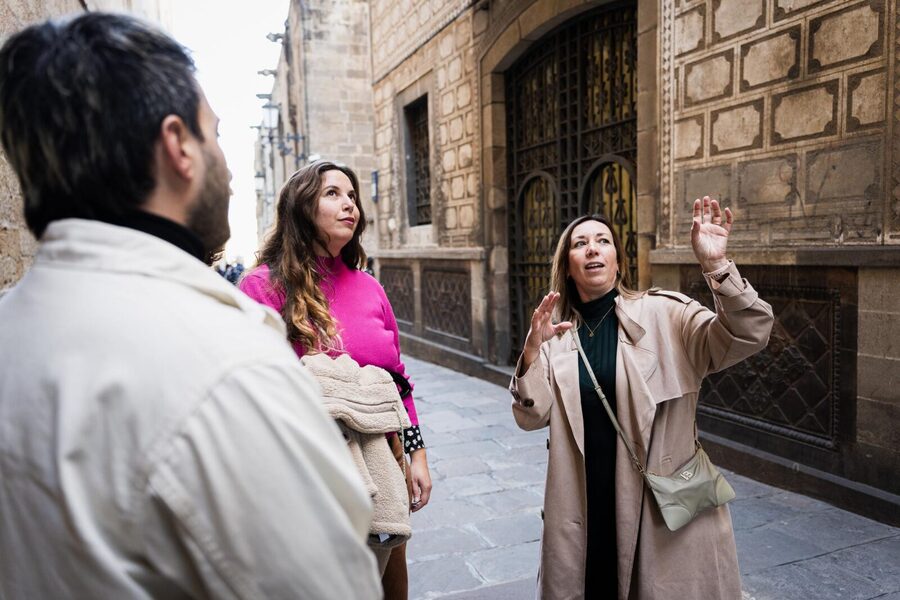
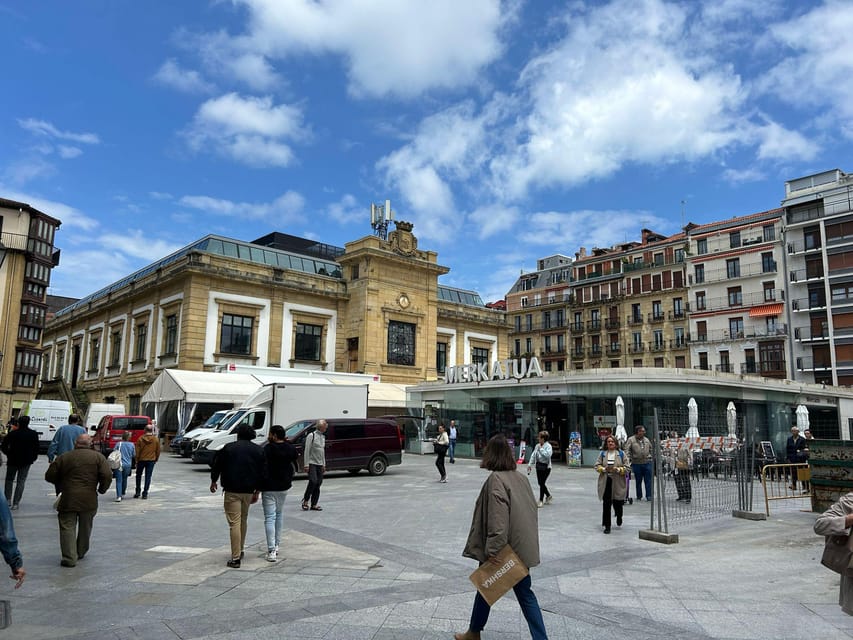
The route includes Plaza de la Constitución, one of the key points in San Sebastian’s old town. Here the experience shifts naturally between sightseeing and food. You are not simply being led from one bar to another. You are also getting a sense of how the old center is arranged and how the city’s public spaces connect.
This is one of the strongest reasons to book a food walk instead of arranging the same meal alone. You may find the food on your own, but you would miss the guide’s explanation of the setting and the local context. The guides have been praised for discussing San Sebastian’s history, regional identity, and everyday life while moving through the city.
That does not mean this is a full historical tour. Food remains the main subject. If you want a detailed architectural or museum tour, choose a dedicated sightseeing experience instead. Here, history is the seasoning that makes the meal easier to understand.
Plaza de la Constitución also breaks up the eating. You get a little space between stops, which helps the three and a half hours feel like a city outing rather than a series of hurried bites.
Other Spain tapas evenings worth comparing
- Montserrat Half-Day Tour with Tapas and Gourmet Wines
★ 5.0 · 7,359 reviews - Montserrat & Cogwheel Train, Gourmet Wine Tasting & Tapas/Lunch
★ 5.0 · 6,290 reviews - Barcelona Tapas and Wine Experience Small-Group Walking Tour
★ 5.0 · 5,804 reviews - Montserrat with Black Madonna & Medieval Winery with Tapas/Lunch
★ 5.0 · 5,209 reviews
Seafood pintxos and local specialties
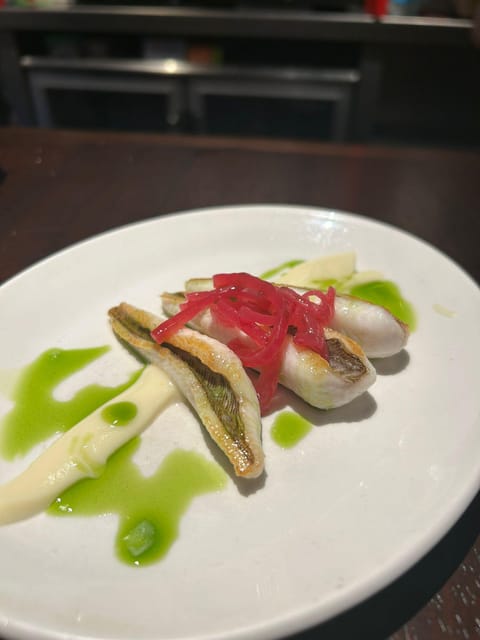
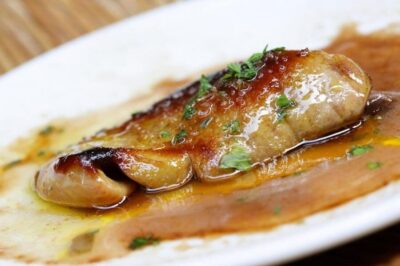
Later stops may include spider crab and other local tapas. Seafood is an important part of the Basque food identity, and this is where the tour can move beyond the most familiar ham and olives.
Spider crab has a distinct flavor and texture, so it may not appeal to everyone. That is not a flaw in the tour. A good food walk should give you a chance to try something tied to the region, even if it is not your favorite bite. If you have seafood allergies or avoid shellfish, ask about the options before booking.
The phrase local tapas covers a changing selection. You might find a more elaborate pintxo than the opening gilda, or a preparation that depends on what is available that day. Do not expect a fixed printed menu. The experience is built around several partner locations, and the food can change with the season.
This is also where the group size matters. With a maximum of 12 people, the guide can usually explain each dish without turning the stop into a large production. The minimum of two people means the tour may be rescheduled if too few places are booked, so keep that possibility in mind when planning a tight schedule.
Txakoli, Rioja, beer, and Basque sloe liquor
The drink pairings are a major part of the value. Txakoli is the drink most closely tied to the Basque setting, while Rioja red wine gives you a familiar Spanish comparison. The tour may also include beer and a traditional Basque sloe berry liquor.
The sloe liquor is a particularly nice detail because it is not the sort of drink you are guaranteed to discover by ordering at random. It gives the tasting a local finish and shows how the region’s food culture extends beyond wine.
Water is included, which is important during a long walk with several alcoholic drinks. You can pace yourself and accept water between tastings. Since the total number and type of drinks can vary, the tour is not best viewed as an unlimited drinking session. It is a guided tasting with food at each stop.
If you do not drink alcohol, the supplied details do not promise specific nonalcoholic substitutes beyond water. Ask before booking if that matters to you. The tour is designed around food and traditional drinks, so anyone seeking a completely alcohol-free outing should confirm the arrangements first.
Basque cheesecake as the final bite
The possible final tasting is Basque cheesecake, a dessert known for its browned top and soft center. It is a fitting end to a route that has moved from salty snacks and seafood to wine, liquor, and sweets.
The cheesecake also gives the meal a clear finish. By this point, you have sampled food in several settings and walked through the old town. The dessert is not just an extra item. It rounds out the progression and leaves you with a recognizable Basque specialty to seek out later.
Because the exact stops vary, you should not assume every listed dish will appear on every departure. The experience promises food and drinks at the stops, with at least one serving at each location, but the specific menu changes with season and availability.
Finishing at the Church of San Vicente
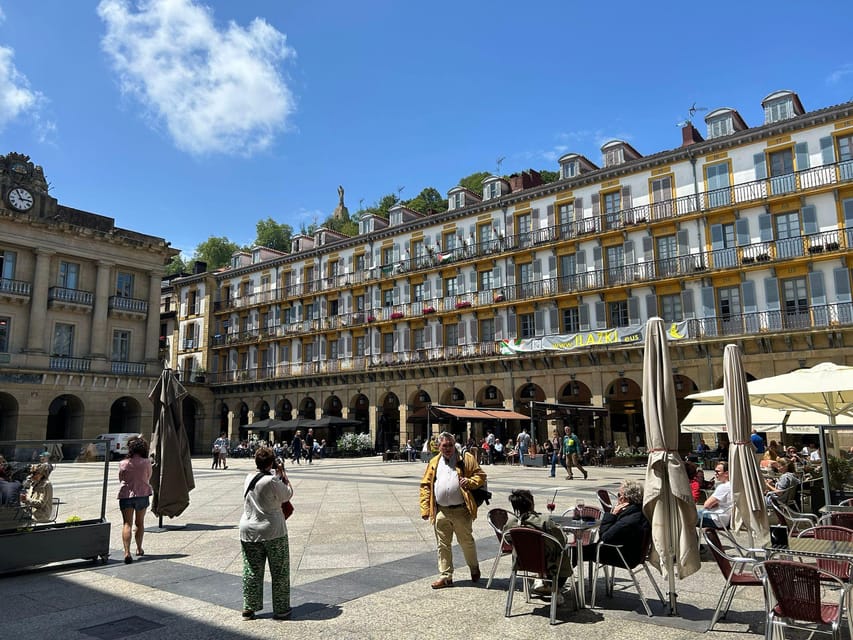
The walk ends at the Church of San Vicente. This gives you a useful point from which to continue exploring the old town, find another bar, or return toward the center.
Ending here also keeps the experience tied to the historic core rather than sending you to a distant neighborhood. You will have covered food stops and city sights on foot, without needing a taxi or public transport during the tour.
There is no hotel return, so plan your next move before the final tasting. The end point is clearly stated, but your guide will not be responsible for getting you back to your accommodation.
Is $105 good value for three and a half hours?
At $105 per person, this is not the cheapest way to eat pintxos. You can order small plates independently for less, especially if you keep the drinks modest. The real question is what you are paying to avoid.
The price includes the guide, all food, water, and alcoholic drinks, with a fixed amount included. You are also paying for at least four locations, local explanations, and a planned route through San Sebastian. For a first visit, that can be good value because you get several food styles in one outing and do not have to guess which places to choose.
I would compare it with the cost of a full evening of independent eating, not with the price of one pintxo. If you already know the city, speak Spanish comfortably, and enjoy choosing bars on your own, you may prefer to explore without a guide. If you want a structured first taste and appreciate having the bill settled in advance, the fixed amount is useful.
The group limit of 12 helps protect the experience from becoming unwieldy. It is still a group tour, so you will not have complete control over the pace or the order of every stop. The best fit is someone who enjoys sharing food and conversation while walking.
Who should book this food tour?
This is a strong choice for a first visit to San Sebastian, especially if you want to learn what to order during the rest of your stay. It also suits solo visitors who would rather eat with a small group than enter several bars alone.
Food lovers who want regional variety will get the most from it. You can try a gilda, ham, seafood, wine, local liquor, and Basque cheesecake in one outing. The guide adds context that you would not get from a simple list of dishes.
It is less suitable for anyone with mobility impairments because the tour involves walking between locations. It may also be a poor match if you dislike alcohol, need a strictly fixed menu, or want a quiet seated meal. Pets and large bags are not allowed.
Wear comfortable shoes and keep your schedule open for the full three and a half hours. A late lunch or early dinner may be easier than trying to squeeze the tour between fixed reservations.
Final verdict: book it for a guided first taste
I would book this tour early in a San Sebastian stay, not at the very end. The food advice can help you choose bars and dishes during the rest of your visit, while the city walk gives you a useful sense of the old town.
The strongest reasons to go are the four or more tasting locations, included drinks, and guides such as Kaya, Gonzalo, and Gonzo, who bring history and local life into the meal. The main limits are the fixed group format, seasonal menu changes, walking requirements, and a price that only pays off if you value guidance and variety.
Book it if you want a social, well-organized introduction to pintxos and Basque drinks. Skip it if you prefer to make every food choice yourself or need a guaranteed menu. For most first-time visitors who want to get their bearings through food, this is a practical and enjoyable starting point.
FAQ
How long does the San Sebastian food tour last?
The tour lasts about 3.5 hours.
How many food locations are included?
You visit at least four different restaurants or food locations.
What food might be served?
Possible tastings include gildas with anchovies and olives, Spanish ham, spider crab, other local tapas, and Basque cheesecake. The exact selection can change with the season and partner availability.
Which drinks are included?
Included drinks may include txakoli, Rioja red wine, beer, Basque sloe berry liquor, and water. The exact drinks can vary by stop.
Where does the tour meet?
The meeting point is a tobacco shop in front of the Town Hall at Ijentea Kalea 4.
Where does the tour finish?
The tour finishes at the Church of San Vicente.
What languages does the guide speak?
The live guide speaks English and Spanish. The guide may use both languages during the tour.
Is hotel pickup included?
No. Hotel pickup and drop-off are not included.
How many people can join the tour?
The tour requires at least two people to operate and has a maximum of 12 participants.
Recently reviewed in Spain
- Winery Visit and Tasting in Elche with wines and tapas from Alicante in Van★ 5.0 · 9 reviews
- Zaragoza: Wine Tasting and Tapas★ 5.0 · 15 reviews
- Wine Tasting and local tapas delight in Cordoba★ 4.9 · 3 reviews
- Zaragoza: Midday Market and Tapas Tour★ 5.0 · 8 reviews
- Valencia Old Town flavour walk: tapas & drinks by local★ 5.0 · 11 reviews
- Valencia: City Tour with Tapas Shore Excursion★ 5.0 · 9 reviews
- Valencia: Tapas and Sightseeing guided tour★ 4.9 · 9 reviews
- Valencia: Mysteries, Legends, & Local Tapas Experience★ 4.9 · 14 reviews
Pintxos Tours, compared.
San Sebastian Old Town Pintxos & Wine Tour Small Group Tour
Read our review →
San Sebastian Pintxo Food, Wine & Market Foodie Tour(Small Group)
Read our review →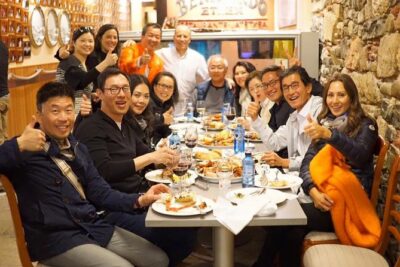
Discover San Sebastián’s Best Pintxos on a Unique Culinary Tour
Read our review →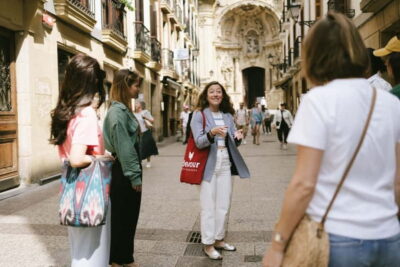
San Sebastian Food Tour: Pintxo Tasting Paired with Wines
Read our review →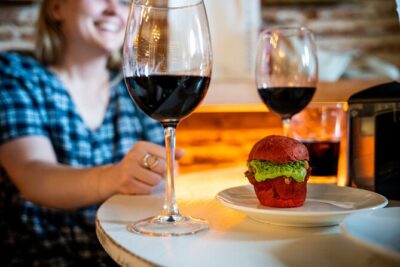
The Authentic Bilbao Pintxos, Food & Wine Tour with a Local
Read our review →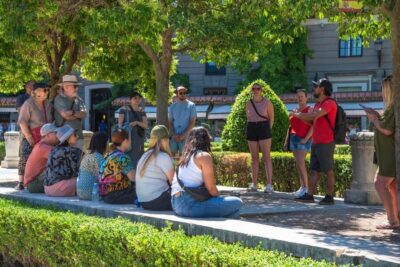
Browse the lists this tour appears in