
REVIEW · BARCELONA TAPAS TOURS
Eat Like a Local: Hidden Gràcia Catalan Tapas Tour Barcelona
Gràcia is the star here. This former village still feels like its own part of Barcelona, with leafy squares, local bars, and a strong Catalan identity. You move from one modest food stop to the next, eating the dishes locals actually order rather than spending the evening in a tourist-heavy dining room.
I like the five-stop format, which gives you a clearer sense of Gràcia than one long restaurant meal. I also like the mix of old-school bodega food, a family-run vermuteria, and newer tapas cooking. The main caution is that the food is generous, but the cultural storytelling and restaurant coordination can vary, so you should book this for a relaxed tasting walk, not a perfectly scripted history lesson.
Key points at a glance
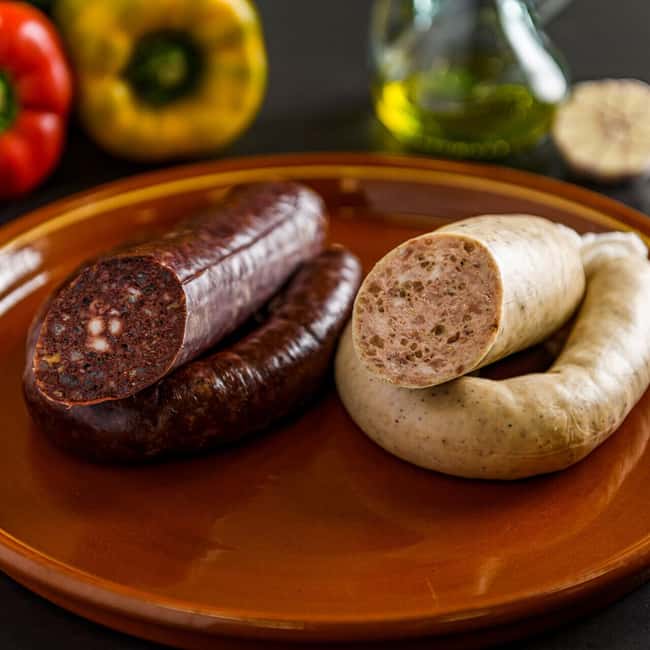
- Seven or more Catalan tastings: Try tortilla with jamón, grilled botifarra, croquetas, sardine toast, a bomba, and crema catalana.
- A real vermut ritual: Sip one glass of house vermouth with a small local snack at Vermuteria Puigmartí.
- Five stops in Gràcia: The route moves through a bodega, vermuteria, croqueteria, tapas bar, and dessert restaurant.
- Small groups capped at 10: This gives you a better chance to speak with the guide and ask questions.
- A useful evening food lesson: You learn how everyday Catalan eating habits fit into local life, not just what each dish is called.
- A few practical limits: Extra food and drinks cost more, and vermouth is served only to people aged 16 and over.
Why Gràcia makes a better food walk than the city center

Gràcia sits north of Barcelona’s most visited central districts, but it does not feel like a separate destination you need to reach for a major sightseeing payoff. Its appeal is quieter. You walk through streets and plazas where neighborhood life matters more than landmark collecting.
That makes it a smart setting for a food tour. In the center, it is easy to end up at a restaurant aimed almost entirely at short-term visitors. Gràcia gives the guide more room to show you places with a daily local rhythm, including traditional bars and a family-run vermuteria.
The neighborhood was once an independent village, and that background helps explain its strong sense of identity. You are not just crossing between restaurants. You are using food to understand why Catalan customs still feel distinct within Barcelona.
The pace is also practical. The tour lasts 150 minutes, with roughly 20 to 25 minutes at each stop. That means enough time to taste, ask questions, and walk, without turning dinner into a four-hour commitment.
Other Barcelona tapas evenings worth comparing
- Montserrat Half-Day Tour with Tapas and Gourmet Wines
★ 5.0 · 7,359 reviews - Montserrat & Cogwheel Train, Gourmet Wine Tasting & Tapas/Lunch
★ 5.0 · 6,290 reviews - Barcelona Tapas and Wine Experience Small-Group Walking Tour
★ 5.0 · 5,804 reviews
Starting at the Clavé Monument
You meet in front of the Clavé Monument. This is a clear starting point, but you should arrive with a few minutes to spare so you are not searching for the group at the last moment.
From there, the guide leads the walk through Gràcia. The guide can speak English, Spanish, and French, and the group is limited to 10 people. That size matters on a food tour. You can hear the explanations without being at the back of a crowd, and the guide has a fair chance to notice dietary preferences or answer questions.
One guide named Fafa has led this route, and the tour can have a friendly, conversational tone. That is useful if you enjoy asking about dishes as they arrive. At the same time, the amount of background on the businesses themselves may depend on the guide and the evening. If you want detailed family stories for every bar, ask early and clearly.
First stop: Bodega Can Ros and the taste of comfort food
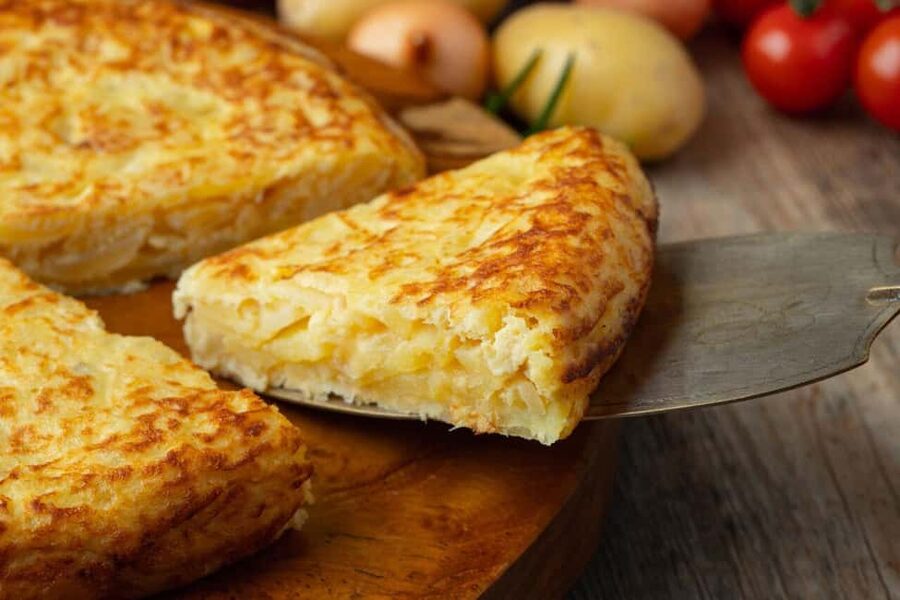
The first stop is Bar Bodega Can Ros, a traditional bodega. You try tortilla with jamón and grilled botifarra sausage, two filling dishes that set the tone for the rest of the evening.
Tortilla gives you a familiar starting point, but the jamón adds a salty Spanish touch. Botifarra is a Catalan sausage, and the grilled version shows the direct, sturdy style of cooking that works well in a neighborhood bar. These are not delicate tasting-menu portions. The food is meant to satisfy.
That is worth knowing before you arrive. With seven or more tastings ahead, the portions can add up quickly. Pace yourself, even if the first dishes make you want to clean every plate.
Can Ros also helps you understand the difference between an attraction built around food and a normal local bar. You are not just sampling isolated ingredients. You are seeing how simple dishes work as casual meals, shared snacks, or part of a social evening.
Second stop: Creative croquetas at Croq & Roll
The next stop is Croq & Roll Croqueteria, where classic croquetas receive a more modern treatment. Croquetas are small fried bites with a crisp shell and creamy filling, and they are one of Spain’s most reliable bar foods.
This stop changes the texture and mood of the route. After the grilled sausage and tortilla, the croquetas bring a crisp outside and soft center. The creative approach also shows that Catalan food culture is not frozen in the past. Familiar dishes can change while keeping their place in everyday eating.
I like this contrast because it prevents the tour from becoming a repeated parade of standard tapas. You get a traditional bodega first, then a specialist stop focused on one beloved food.
The tradeoff is that the croquetas are a tasting rather than a full lesson in Catalan food. Your guide may explain the dish and its place in local bar culture, but this is primarily a stop for eating and comparing textures.
Same streets, a different round:
- Montserrat with Black Madonna & Medieval Winery with Tapas/Lunch
★ 5.0 · 5,209 reviews - Barcelona: Montserrat and Winery Tour with Tapas or Lunch
★ 4.8 · 4,695 reviews - Barcelona: Tapas Walking Tour with Food, Wine, and History
★ 4.8 · 4,261 reviews - Barcelona Paella Cooking Class with Market Visit, Tapas & Sangria
★ 5.0 · 2,531 reviews
Third stop: Vermuteria Puigmartí and the local vermut hour
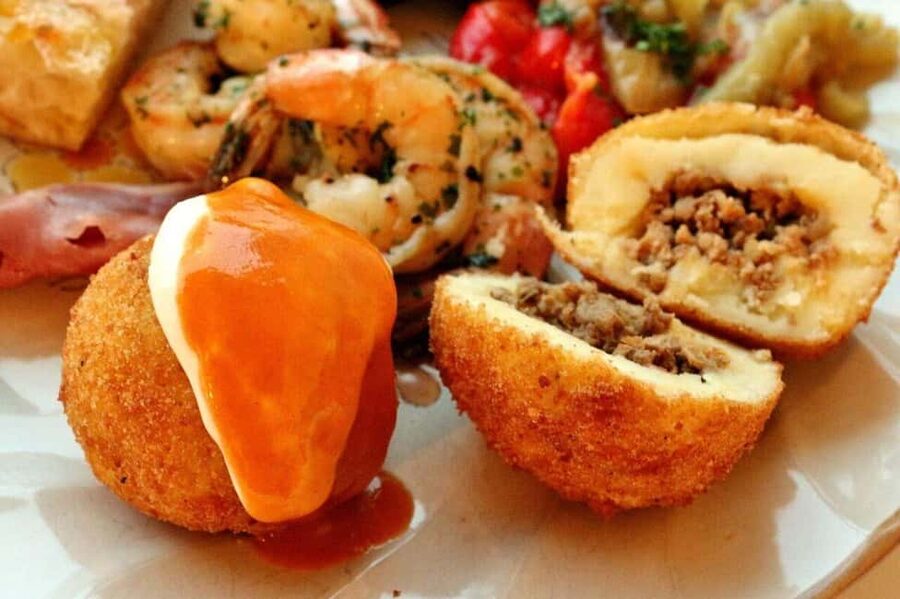
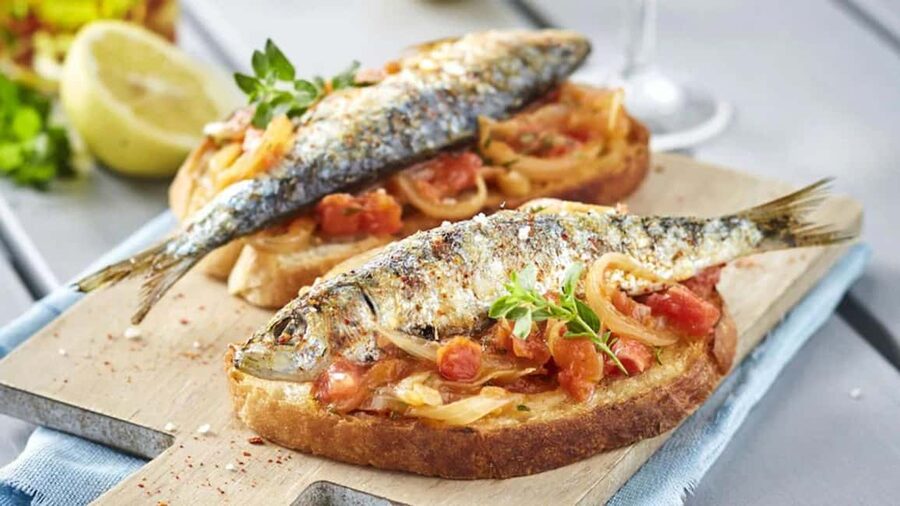
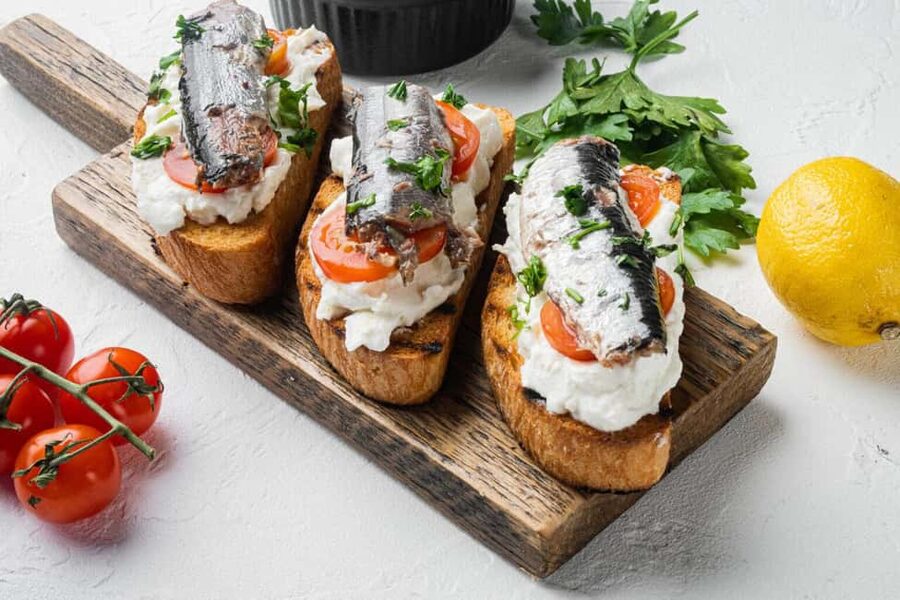
Vermuteria Puigmartí is the most ritual-based stop on the route. You receive one glass of house vermut and sardine-topped toast while learning about the pre-lunch custom of drinking vermouth with small snacks.
Vermut is not simply a sweet fortified wine poured before dinner. In Catalonia, it can be part of a social pause, often paired with salty or savory bites. The sardine toast makes sense beside the drink, adding oil, salt, and a firm seafood flavor.
This is one of the tour’s most useful cultural moments because it links a dish to a habit. You learn not only what is in the glass, but why a vermuteria exists and how the custom fits into local life.
The rules are simple: vermouth is served only to people aged 16 and over. The included drink is one glass of house vermut. Additional food and drinks are not included, so keep that in mind if you expect to order more along the way.
For anyone who does not drink alcohol, the provided information does not specify a replacement beverage. If that matters to you, ask the operator before booking.
Fourth stop: The Barcelona bomba at Casa Pagès
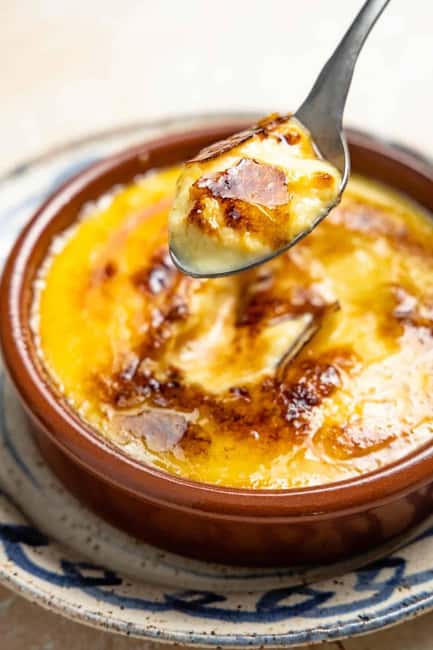
At Casa Pagès, you try a bomba, one of Barcelona’s best-known bar snacks. It is a golden-fried potato ball filled with meat and topped with spicy sauce.
The name is playful, but the food is serious comfort food. The soft potato and meat filling make it substantial, while the sauce gives it a sharper finish. After tortilla, sausage, croquetas, and toast, the bomba is another hearty bite, so do not expect a light grazing route.
This stop is especially good for understanding how Barcelona’s tapas differ from the broad idea of Spanish tapas. The food is tied to local habits and local names. You are not simply collecting small plates from across Spain.
The route also benefits from the walk between stops. You get short breaks to talk, look around, and let the previous tasting settle. Still, you should wear comfortable shoes. The tour is a walking experience through Gràcia, not a series of nearby tables with no time outside.
Finishing with crema catalana at La Pepita

The final stop is La Pepita, where you finish with crema catalana. This dessert has a silky custard beneath a caramelized top, similar in broad form to other custard desserts but closely tied to Catalan cooking.
Cracking through the caramel gives the meal a clean ending. After the salty sausage, fried snacks, sardine toast, and spicy sauce, the cool custard and brittle sugar offer a useful change of pace.
Ending at a restaurant rather than on the street is also practical. You finish with a proper dessert stop and a clear endpoint at La Pepita. If you are still hungry, additional food and drink can be ordered separately, but they are not part of the tour price.
The dessert is one of the strongest reasons to avoid eating a large meal before the tour. The tastings are described as generous, and the route includes several filling items before the final course.
What the guide adds, and where expectations matter
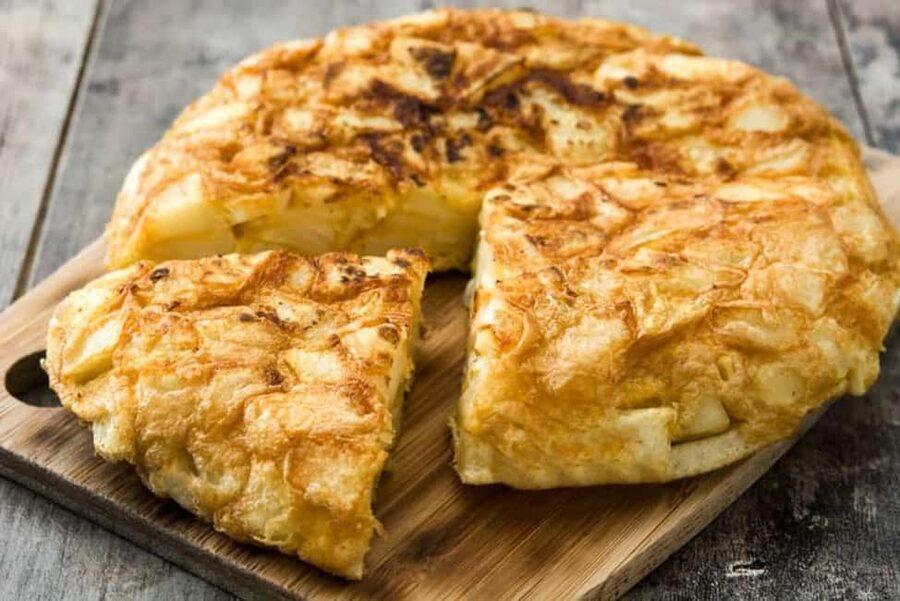
The guide leads the walk, explains Catalan food customs, and helps connect the dishes to Gràcia. English, Spanish, and French are offered, which makes the tour useful for mixed-language groups.
The best version of this experience is conversational. You can ask why vermut matters, how a bomba differs from other potato snacks, or where botifarra fits into Catalan cooking. A guide can make the walk feel like a visit with someone who knows the neighborhood rather than a set of restaurant handoffs.
I would keep your expectations measured on business history. The tour provides food traditions and cultural insight, but it does not promise a detailed story about every owner, chef, or family behind each stop. If that personal history is central to your choice, ask the guide questions as you go.
There can also be occasional changes to the planned stops. One evening included closed locations, and the guide adjusted the route. That kind of flexibility is useful, but it can affect the neatness of the schedule. Food businesses have real operating hours, and a small-group walking tour cannot control every change.
Is $106 a fair price?
The price is $106 per person. That is not cheap for a 2.5-hour food walk, so the value depends on how you use it.
You are paying for more than the cost of six named dishes. The price includes a local guide, five stops, seven or more tastings, one glass of house vermut, and a walk through Gràcia with explanations of Catalan customs. If you would otherwise spend the evening ordering several plates and drinks while trying to choose places on your own, the guided structure has real value.
The small group also helps justify the cost. With no more than 10 people, the guide can keep the group together and have actual conversations. You are not being moved through a large crowd with a microphone.
Still, this is not the right pick if your main goal is maximum food quantity for the lowest price. Extra food and drinks cost more, and some of the stops are short. You are buying access, guidance, and variety as much as you are buying dinner.
I see it as a good value for a first Barcelona visit, especially if you want a strong introduction to Catalan dishes without spending time researching neighborhood bars. If you already know Gràcia well and are happy to order on your own, the price may feel harder to justify.
Who should book this Gràcia food tour?
I would recommend it to you if you want:
- A compact food experience during a short Barcelona stay
- A neighborhood setting instead of a central tourist dining area
- Several Catalan dishes in one evening
- A small group with an English, Spanish, or French-speaking guide
- A balance of traditional bars and newer food ideas
- A tour that works as dinner rather than as a light snack
It suits first-time visitors particularly well because the dishes are varied and recognizable. You get a basic map of Catalan bar culture in one outing.
It may be less suitable if you need a tightly controlled schedule, want a major focus on the history of each business, or plan to avoid alcohol without confirming alternatives. You should also be ready for hearty portions and walking between stops.
The tour is listed as wheelchair accessible, which is important for planning. The available information does not describe the exact street surfaces or restroom arrangements, so you may want to confirm those details before booking if they affect your comfort.
Free cancellation is available up to 24 hours before the start time, and you can reserve now and pay later. Those terms help if your Barcelona schedule is still shifting.
My call: book it for local food, not a scripted show
Book this tour if you want to spend an evening eating Catalan classics in Gràcia, talking with a local guide, and seeing how vermut, bombas, croquetas, and crema catalana fit into daily life.
Go in expecting a relaxed small-group walk with generous food, not a grand historical production. The strongest parts are the neighborhood setting, the range of stops, the friendly guide interaction, and the chance to try dishes that are easy to miss if you stay near the main sights.
If those priorities match your trip, $106 buys a useful and tasty introduction to Barcelona’s Catalan side. Just arrive hungry, wear comfortable shoes, and save room for the crema catalana.
FAQ
Where does the tour start?
The tour starts in front of the Clavé Monument in Gràcia, Barcelona.
How long does the experience last?
The guided food tour lasts 150 minutes, or 2.5 hours.
How many people are in the group?
The group is limited to 10 participants.
Which languages can the guide speak?
The live guide can speak English, Spanish, and French.
Is vermouth included?
Yes. One glass of house vermut is included, but it is served only to people aged 16 and over. Additional food and drinks are not included.
What foods are included?
The tastings include tortilla with jamón, grilled botifarra sausage, croquetas, sardine-topped toast, a bomba, and crema catalana, with seven or more Catalan tastings in total.
Recently reviewed in Barcelona
- Barcelona Old City Guided Tour with Tapas and Drinks★ 5.0 · 3 reviews
- Paella & Tapas Cooking Class in Barcelona★ 5.0 · 2 reviews
- Spanish Tapas Workshop: Boqueria Tour & Rambla Views★ 5.0 · 12 reviews
- Private Barcelona Walking Tour & Wine Tasting + Tapas Dinner★ 5.0 · 2 reviews
- Barcelona´s Lunch or Dinner Tapas Tour: Food, drinks, happiness!★ 5.0 · 40 reviews
- Tapas like a local Private Tour in Barcelona★ 4.5 · 7 reviews
- Barcelona tailored tapas & drinks tour with a native guide★ 5.0 · 24 reviews
- Small Group Barcelona Walking Tour, Flamenco Show & Tapas Dinner★ 5.0 · 30 reviews
Barcelona Tapas Tours, compared.

Montserrat Half-Day Tour with Tapas and Gourmet Wines
Read our review →
Montserrat & Cogwheel Train, Gourmet Wine Tasting & Tapas/Lunch
Read our review →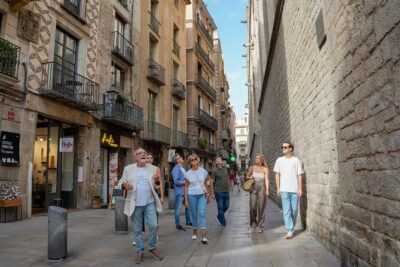
Barcelona Tapas and Wine Experience Small-Group Walking Tour
Read our review →
Montserrat with Black Madonna & Medieval Winery with Tapas/Lunch
Read our review →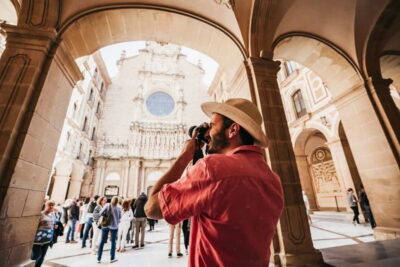
Montserrat and Winery Tour with Tapas or Lunch
Read our review →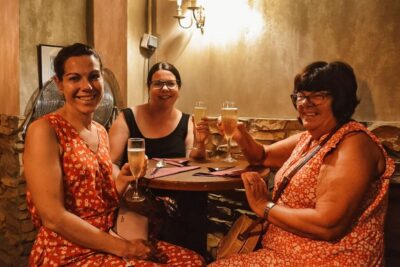
Tapas Walking Tour with Food, Wine, and History
Read our review →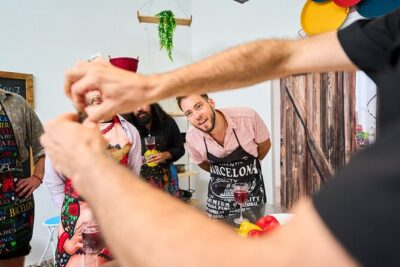
Barcelona Paella Cooking Class with Market Visit, Tapas & Sangria
Read our review →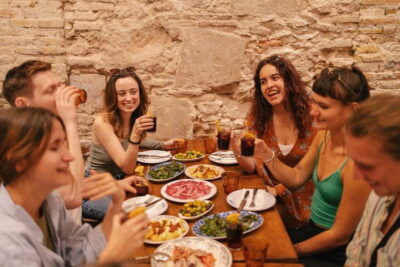
Browse the lists this tour appears in