
REVIEW · TAPAS AND WINE TOURS
Discover Argentine Wines Paired with Delicious Tapas
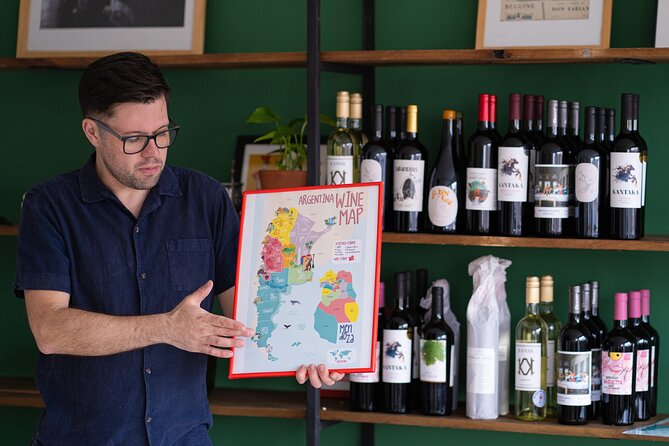
Argentina’s wine story reaches far beyond Malbec, and this two-hour tasting makes that clear. At Soler 5650, Bertie guides you through four wines from different regions, while Aby prepares a fresh regional tapa for each one. You move from the dry north to Patagonia and then Mendoza, learning how place, climate, and local food shape the glass.
I especially like the small-producer focus and the way the food is treated as part of the lesson, not a plate of filler. I also like the intimate size, capped at 14 people, which gives you a better chance to ask questions and talk with the hosts.
The main consideration is simple: this is a home-based tasting, not a grand winery visit or a full meal. The two-hour format is focused and social, and the small tapas may not satisfy you if you arrive expecting lunch.
Key points to know before booking
- Four wines from four Argentine producers: Taste a broad sample rather than a flight built around only Mendoza Malbec.
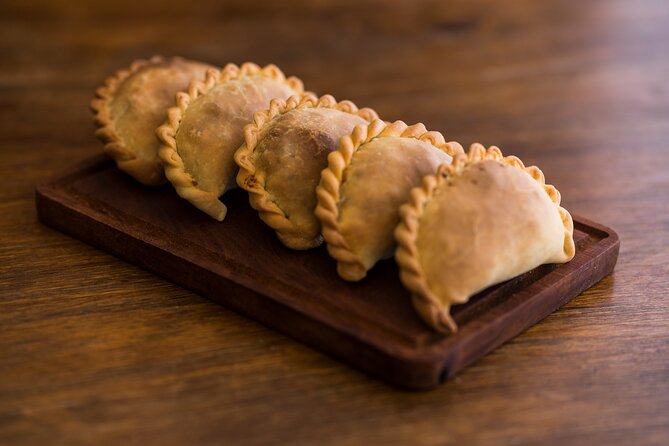
- Fresh regional tapas by Aby: Each small dish is prepared to match the wine beside it.
- Bertie explains the country through wine: Expect stories about grape-growing areas, producers, food, and Argentine culture.
- A relaxed group of no more than 14: The setting suits questions, conversation, and solo visitors as well as couples.
- Soler 5650 in Buenos Aires: The tasting begins and ends at the same address, near public transportation.
- Bottles can be purchased afterward: This is useful if one of the smaller producers becomes a new favorite.
Why this tasting gives you more than four glasses
Argentina is often reduced to one word: Malbec. Mendoza deserves its fame, but that narrow view misses the country’s dry northern vineyards, cooler southern areas, and many family-run wineries making distinctive bottles in small quantities.
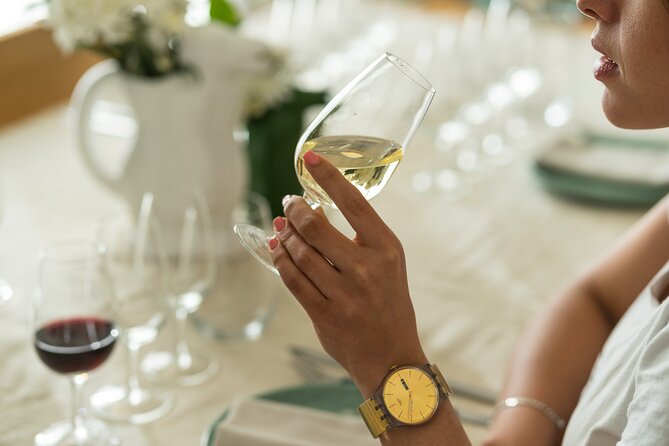
This experience sets out to correct that. The four wines come from different parts of Argentina, with each wine made by a different producer. You are not simply tasting four versions of the same style. You are using the wines to travel across the country without leaving Buenos Aires.
The route begins in the arid north, continues down to the cool plains of Patagonia, and then moves north again to Mendoza. That order gives the session a clear shape. You can compare the effect of dry conditions, cooler temperatures, and Argentina’s best-known wine region as the tasting progresses.
I like this approach because it gives you a framework for future meals. Instead of remembering only a grape name, you can start asking where a wine comes from, who made it, and what food belongs beside it.
More Tapas and Wine Tours in the world:
- Montserrat Half-Day Tour with Tapas and Gourmet Wines
★ 5.0 · 7,359 reviews - Montserrat & Cogwheel Train, Gourmet Wine Tasting & Tapas/Lunch
★ 5.0 · 6,290 reviews - Barcelona Tapas and Wine Experience Small-Group Walking Tour
★ 5.0 · 5,804 reviews
Meeting Bertie and Aby at Soler 5650
The tasting takes place at Soler 5650, in Buenos Aires. The experience begins and ends at the same address, so you do not need to arrange a second meeting point or find your way back across the city afterward.
Bertie leads the wine side of the afternoon. His role is not limited to naming the bottle and grape. He explains the producer, the region, and the reasons certain grapes grow well in particular areas. You can ask questions at your own level, from basic points about tasting to more detailed questions about Argentine wine.
Aby prepares the food. Her tapas include regional recipes, and one especially praised dish is an Inca-inspired humita. The empanada also receives special attention, so expect the food to carry its own cultural story rather than function as a generic snack.
The home setting matters. It creates a more personal atmosphere than a large commercial tasting room, and the group limit keeps the session from feeling like a lecture. You may share the table with couples, solo people, or friends, so the social side is part of the experience.
There is also a practical point to keep in mind. One person had trouble getting into the building, so pay close attention to the meeting instructions and allow enough time to arrive. The address is near public transportation, and service animals are allowed.
The first wines: Argentina beyond the usual Malbec
The first part of the tasting introduces Argentina’s less familiar wine regions. The country’s dry north offers a useful counterpoint to Mendoza. You may encounter grapes and styles that are less familiar to international drinkers, which is part of the appeal of choosing a small-producer tasting rather than a standard Malbec flight.
Bertie connects the wine to the region and to Argentina’s past. The talk covers more than production facts. It also brings in the country’s food and culture, helping you see wine as part of daily life rather than an isolated luxury.
The four pours are served with small tapas made by Aby. This pairing format lets you test the difference between tasting a wine alone and tasting it with food. A bite can soften, sharpen, or change the way a wine feels, and the discussion gives you a reason to pay attention.
The portions are deliberately small. That works well for a tasting, especially when you want to focus on the wines and still have room for the later pairings. It is less suitable if you want a long, leisurely meal with large plates.
Patagonia brings a cooler note
The route then moves south to Patagonia, described here as a cooler part of Argentina’s wine country. This change gives the tasting a useful contrast with the hot, dry north.
You can expect Bertie to explain why certain grapes perform well in each area. That regional comparison is one of the strongest reasons to book this experience. It turns geography into something you can taste, rather than something you simply hear about in a speech.
Aby’s tapas continue to match the wines one by one. The food is prepared fresh for the session, and the pairings are planned to work together. That attention to matching is important for anyone who wants to learn how Argentine dishes and wines relate.
The setting stays relaxed throughout. Several people have described the atmosphere as comfortable and easygoing, which makes this a good option if formal wine tastings feel stiff. Solo visitors can settle in without needing to arrive with a group, while couples can treat it as a date activity.
Other the world tapas evenings worth comparing
- Montserrat with Black Madonna & Medieval Winery with Tapas/Lunch
★ 5.0 · 5,209 reviews - Barcelona: Montserrat and Winery Tour with Tapas or Lunch
★ 4.8 · 4,695 reviews - Barcelona: Tapas Walking Tour with Food, Wine, and History
★ 4.8 · 4,261 reviews - Madrid Tapas & Wine Tasting Walking Tour – Small Group Local Bars
★ 5.0 · 3,644 reviews
Mendoza appears in its proper place
Mendoza is Argentina’s most famous wine region, so many tastings would begin and end there. Here, it appears after you have sampled other parts of the country. That choice keeps Mendoza from becoming the whole story.
You may still taste Malbec, but the point is to place it in context. One particularly useful feature is that the tasting is not built around four Malbecs from Mendoza. Instead, the wines represent different producers and regions, giving you a wider introduction to Argentina.
This is helpful when you are shopping for bottles later. A familiar label from Mendoza may be easy to find, but a small family-run producer from another region can offer a more unusual choice. The hosts make all of the tasting wines available to purchase at the end, so you can take home a bottle if you find one that suits you.
Do not assume every bottle will be easy to bring back internationally. The experience offers wines for purchase, but it does not promise shipping arrangements, airline guidance, or help with customs. If you plan to buy, ask the hosts about the practical details before paying.
The tapas are half the reason to come
The food is not an afterthought. Each wine comes with a small homemade regional tapa, freshly prepared by Aby. This changes the pace of the session: sip, taste, listen, and then compare the pairing with the next course.
The empanada is a strong example of what makes the food memorable. It is described as one of the best examples some people had during their time in Buenos Aires. The Inca-inspired humita also adds a regional and historical thread to the meal.
You should think of the food as a sequence of tasting portions rather than a traditional lunch. The pairing is the point. If you have a large appetite, eat something light beforehand or plan another meal afterward.
The food also helps people who do not know much about wine. You do not need a trained palate to notice that one pairing works better than another. Aby explains the recipes and their background, while Bertie connects each course to the wine. That makes the session friendly to beginners without making it dull for wine lovers.
Two hours, 14 people, and a useful pace
The tasting lasts about two hours. That is enough time for four wines, four small tapas, conversation, and a cultural introduction without turning the event into an all-day commitment.
The maximum group size is 14. A group that size can still feel personal, though the exact mood depends on who attends. The hosts have received praise for making people comfortable and giving close attention during each presentation, but you should still expect a shared social experience rather than a private tasting for two.
The pace appears designed for conversation. You are not rushed from glass to glass, and the hosts welcome questions. That makes the experience especially useful near the start of a Buenos Aires stay, when you want an early introduction to Argentine food and wine. It also works well on your final day if you want a relaxed farewell before leaving the city.
Because this is a seated tasting at a fixed address, it does not provide sightseeing along the way. You are paying for the quality of the presentation, food, wines, and company, not for transport or a tour of vineyards.
Is $84 a fair price?
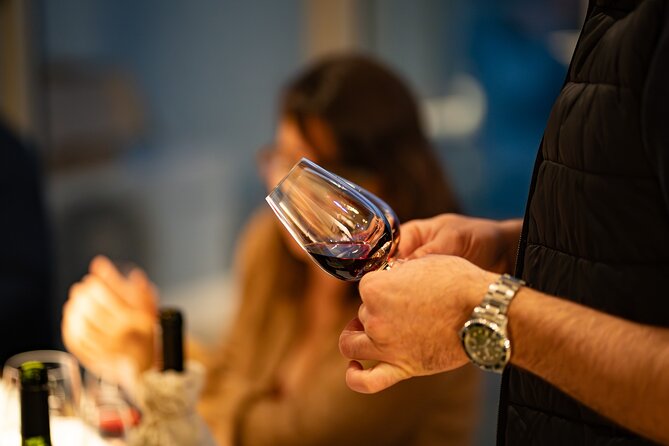
At $84 per person, the tasting is not the cheapest way to drink wine in Buenos Aires. You could buy a bottle and a few snacks for much less. But that comparison misses what the price covers.
You receive four wines from different Argentine producers, four paired tapas, a two-hour presentation, and direct guidance from Bertie and Aby. You also get access to bottles that may be less familiar than the standard supermarket choices. For someone curious about Argentine wine, the regional comparison and personal explanations add real value.
The price makes the most sense if you would otherwise spend money on several bottles without knowing what you like. Here, you can sample a range first, ask questions, and then decide if you want to buy. It is also a strong choice for a special afternoon, a honeymoon activity, or a date that should feel more personal than a restaurant meal.
The value is weaker if your main goal is quantity. Four tasting pours and small tapas are not a full lunch, and the experience does not include a winery visit or city transport. I would book it for guidance, variety, and the hosts’ personal touch, not for the amount of food or alcohol.
Who will enjoy this most?
I would recommend it to wine drinkers who want to understand Argentina beyond Mendoza. It suits people who enjoy hearing the story behind a producer and who like comparing regional styles.
It also works for beginners. Bertie explains the wines in an approachable way, and the food gives you an easy entry point. You do not need to know grape varieties or wine terms before arriving.
Couples and friends can treat it as a relaxed shared activity. Solo visitors are also well suited, since the group format encourages conversation and the hosts make a point of helping people feel at ease.
I would be more cautious about booking if you want a large meal, a vineyard setting, a private table, or a high-energy nightlife activity. This is a calm, intimate tasting at a Buenos Aires address.
The experience has earned a perfect overall rating from 51 reviews, with 100 percent recommending it. The most consistent praise focuses on the food and wine pairings, the warmth of Bertie and Aby, the clear regional explanations, and the comfortable atmosphere. Those are the qualities that matter most here.
Booking details worth knowing
Confirmation arrives at booking. The tasting is near public transportation, service animals are allowed, and the group maximum is 14 people.
Free cancellation is available if you cancel at least 24 hours before the local start time. Changes or cancellations inside that period are not refunded, and the experience requires a minimum number of people. If the minimum is not met and the session is canceled, you are offered another date or experience, or a full refund.
I would book ahead rather than wait until the last day. The experience is often reserved about 40 days in advance, which suggests that the small group and fixed schedule can fill early.
Should you book Discover Argentine Wines with Tapas?
Yes, if you want a friendly introduction to Argentina’s wine regions and food in one sitting. The strongest reasons to book are the four-region approach, Aby’s fresh regional tapas, Bertie’s clear explanations, and the small-group setting.
Book it early in your Buenos Aires visit if you want ideas for bottles and dishes to seek out later. Book it near the end if you prefer a relaxed final afternoon and a chance to buy wine for home.
Skip it if you want a full meal, a vineyard excursion, or a large-scale tasting room. For everyone else, $84 buys a thoughtful introduction to Argentine wine, with enough food, context, and personal attention to make the afternoon feel worthwhile.
FAQ
Where does the wine and tapas tasting take place?
The experience starts and ends at Soler 5650, C1425BYH, in Buenos Aires, Argentina.
How long does the experience last?
The tasting lasts approximately two hours.
How many wines will I taste?
You will taste four wines from different parts of Argentina, with each wine coming from a different producer. You are welcome to repeat the wines.
What food is included?
A small tapas dish is served with each wine. The tapas are homemade and prepared fresh by Aby.
Are the wines available to buy afterward?
Yes. The wines tasted during the experience are available to purchase at the end.
How many people can join the tasting?
The activity accepts a maximum of 14 people.
Is the meeting point near public transportation?
Yes. The meeting point is near public transportation.
What is the cancellation policy?
You can receive a full refund if you cancel at least 24 hours before the experience start time. Cancellations or changes made less than 24 hours in advance are not refunded or accepted.
Recently reviewed in the world
- Winery Visit and Tasting in Elche with wines and tapas from Alicante in Van★ 5.0 · 9 reviews
- Zaragoza: Midday Market and Tapas Tour★ 5.0 · 8 reviews
- Zaragoza: Wine Tasting and Tapas★ 5.0 · 15 reviews
- Wine Tasting and local tapas delight in Cordoba★ 4.9 · 3 reviews
- Valencia Old Town flavour walk: tapas & drinks by local★ 5.0 · 11 reviews
- Valencia: City Tour with Tapas Shore Excursion★ 5.0 · 9 reviews
- Valencia: Tapas and Sightseeing guided tour★ 4.9 · 9 reviews
- Valencia: Mysteries, Legends, & Local Tapas Experience★ 4.9 · 14 reviews
Tapas and Wine Tours, compared.

Montserrat Half-Day Tour with Tapas and Gourmet Wines
Read our review →
Montserrat & Cogwheel Train, Gourmet Wine Tasting & Tapas/Lunch
Read our review →
Barcelona Tapas and Wine Experience Small-Group Walking Tour
Read our review →
Montserrat with Black Madonna & Medieval Winery with Tapas/Lunch
Read our review →
Montserrat and Winery Tour with Tapas or Lunch
Read our review →
Tapas Walking Tour with Food, Wine, and History
Read our review →
Madrid Tapas & Wine Tasting Walking Tour – Small Group Local Bars
Read our review →
Sevilla Food Tour: Tapas, Wine, History & Traditions
Read our review →Browse the lists this tour appears in