
REVIEW · TAPAS AND WINE TOURS
Barcelona El Born Tapas and Wine Tour with Guide
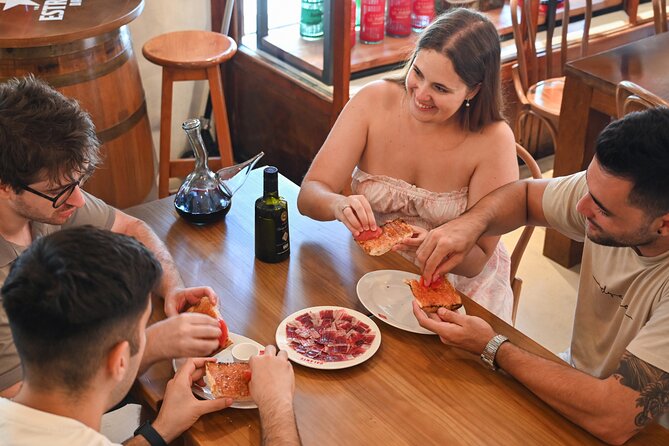
The best thing about this Barcelona food walk is its range. In two and a half hours, you move from old-city lanes to the waterfront while trying 16 bites and drinks, including porró wine, vermouth, jamón, bomba croquettes, Padrón peppers, and ensaimadas. It gives you a useful first taste of Catalonia without asking you to spend an entire day at the table.
I like the small group limit of 12 and the sensible mix of seated and standing stops. I also like the pace: the route allows enough time at each place without dragging, and it finishes near the sea at Moll de la Fusta. The main thing to check is the meeting point, since the details name both Parc de la Ciutadella and Plaça del Fossar de les Moreres.
Key points at a glance
- Sixteen tastings at five local stops give you a broad sample of Catalan food in a short visit.
- Porró wine and historic vermouth add local drinking customs, not just familiar tapas.
- El Born, the Gothic Quarter, and Barceloneta make the walk part food tour and part old-city orientation.
- Bomba croquettes and Padrón peppers offer classic savory stops, while ensaimadas finish the meal with something sweet.
- A maximum of 12 people keeps the guide’s explanations and practical help within reach.
- The tour ends by the water at Moll de la Fusta, a useful spot for continuing your own Barcelona walk.
Why this food walk works in Barcelona
Barcelona can be a tricky city for first-time eaters. Menus may mix Catalan specialties with broader Spanish tapas, meal times can differ from what you expect, and ordering several small plates on your own can become an expensive guessing game. This tour gives you a guided introduction before you tackle the city’s food scene independently.
The route connects three central areas: El Born, the Gothic Quarter, and Barceloneta. That matters because you are not eating in one enclosed venue and then returning to your hotel. You walk through several parts of Ciutat Vella, seeing how food, neighborhood life, and the old city fit together.
You receive 16 tastings at five stops. That does not mean 16 full plates. It means you should expect small portions designed to build a meal through several stages. If you arrive hungry, you will probably appreciate the number of samples. If you prefer a long, leisurely restaurant lunch, the standing portions and short stops may feel more like a food lesson with snacks.
The tour is offered in English and lasts about two hours and 30 minutes. That is long enough to cover a good stretch of the center, but short enough to fit around museum visits, shopping, or an evening reservation.
More Tapas and Wine Tours in Barcelona
- Montserrat Half-Day Tour with Tapas and Gourmet Wines
★ 5.0 · 7,359 reviews - Montserrat & Cogwheel Train, Gourmet Wine Tasting & Tapas/Lunch
★ 5.0 · 6,290 reviews - Barcelona Tapas and Wine Experience Small-Group Walking Tour
★ 5.0 · 5,804 reviews
Starting among Barcelona’s old streets
The supplied meeting details point to Plaça del Fossar de les Moreres in Ciutat Vella, while the itinerary also refers to meeting at Parc de la Ciutadella. Those places are close within the old city, but they are not the same point. I would check the final confirmation carefully and make sure you go to the exact location given for your date.
Plaça del Fossar de les Moreres is beside Santa Maria del Mar and sits at the edge of El Born. It is a practical place to begin a food walk because you are already in one of the city’s best-known historic districts. From here, the route can move naturally through the older streets rather than wasting time on a transfer.
The walk requires a moderate level of physical fitness. You will be on your feet, moving between five stops, with a mix of seated and standing tastings. Anyone who finds long periods of walking uncomfortable should take that seriously. This is not a bus-based food outing.
El Born, with porró wine and Catalan character
El Born supplies the first strong sense of place. Its narrow streets and compact blocks make walking between food stops part of the experience. You get a look at a district that is easy to explore on your own later, but a guide helps connect the dishes to local habits and gives the route a clear purpose.
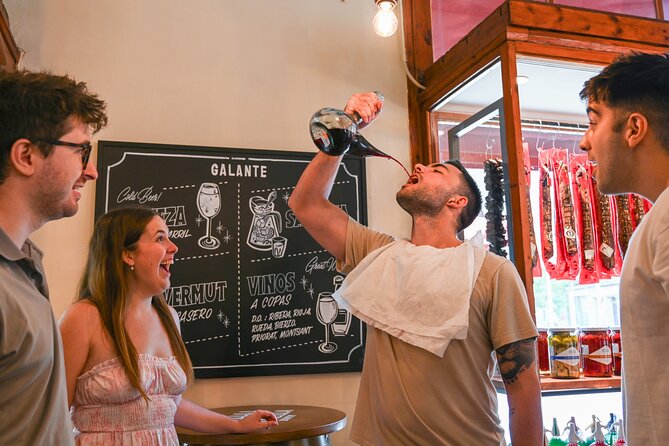
One of the more distinctive drinks is porró wine. A porró is a communal glass pitcher with a long spout, traditionally used to pour wine directly into your mouth without touching the vessel. It can be awkward at first, which is part of the fun, but it is also a genuinely local custom rather than a standard glass of wine added to a tapas menu.
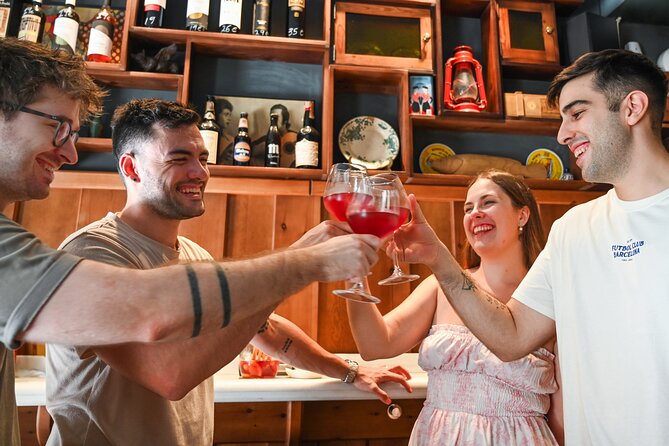
The tour also includes historic vermouth. In Barcelona, vermouth is not simply a pre-dinner drink for visitors. It can be part of a social ritual, and trying it with a guide gives you a better sense of how it fits into local eating and drinking.
You may find that these drink stops set the tone for the rest of the walk. The aim is not to rush through a list of plates. It is to understand the little rituals around them, then continue on foot.
Jamón, Padrón peppers, and the small-plate rhythm
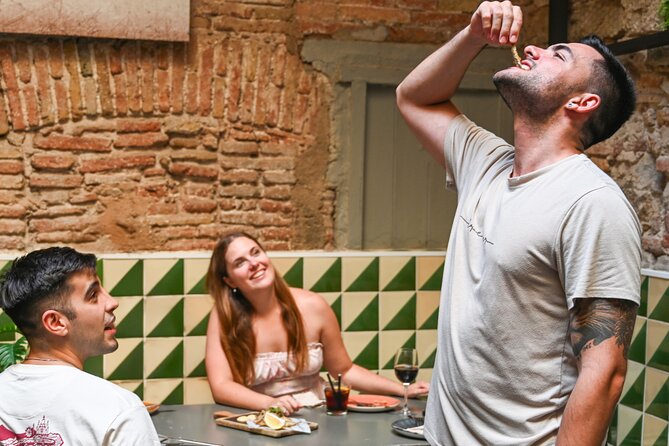
The savory tastings include jamón and Padrón peppers. Both are familiar names to many people, but sampling them in a guided sequence helps you compare textures and flavors rather than ordering them at random.
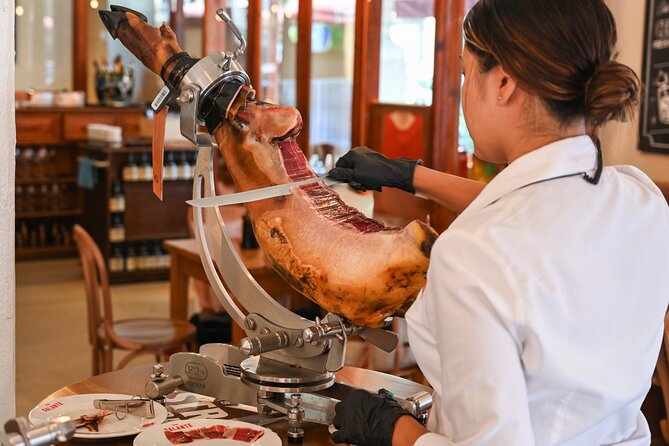
Jamón is a useful introduction to Spain’s cured ham tradition. The portion is likely to be small, as it should be on a tour with 16 tastings. You can pay attention to the flavor and texture without treating it as a full meal in itself.
Padrón peppers bring a different kind of interest. They are small green peppers often cooked simply, but their appeal comes from the occasional hot one mixed into a generally mild serving. That unpredictability makes them a good shared snack, though anyone who avoids spice should ask the guide what to expect.
The tour’s format helps you avoid a common Barcelona mistake: ordering too many plates at the first bar because everything looks tempting. Five stops spread the food out. You get a little, walk a little, and then try something new. That rhythm also makes the meal easier to remember.
More Tapas and Wine Tours in Spain
- Montserrat with Black Madonna & Medieval Winery with Tapas/Lunch
★ 5.0 · 5,209 reviews - Barcelona: Montserrat and Winery Tour with Tapas or Lunch
★ 4.8 · 4,695 reviews - Barcelona: Tapas Walking Tour with Food, Wine, and History
★ 4.8 · 4,261 reviews - Barcelona: Food Walking Tour with Tapas and Wine
★ 4.9 · 2,180 reviews
The Gothic Quarter and the famous bomba
The Gothic Quarter brings another change in scenery. Its lanes can feel compact and confusing, so having a set route is useful. You are not simply being taken from restaurant to restaurant. The neighborhood itself helps explain why this central part of Barcelona works so well for a walking food tour.
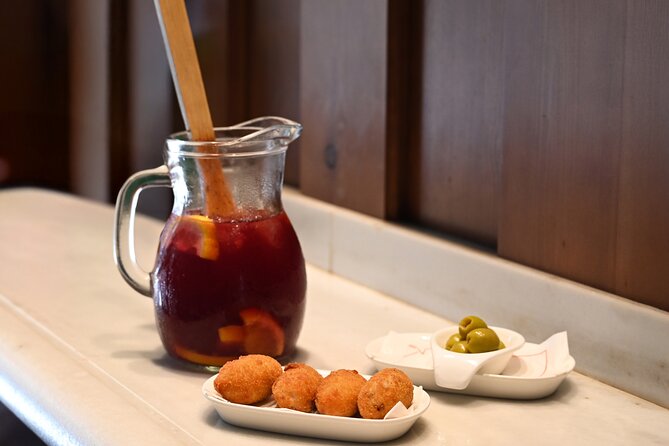
A key savory tasting is the bomba croquette. This Barcelona specialty is associated with Barceloneta and is generally made from a potato mixture with a filling, then coated and fried. It is often served with sauces, giving you a crisp outside and a soft center.
The bomba is one of the more meaningful dishes on the route because it is strongly linked with Barcelona rather than being a generic tapas choice. It also has enough substance to help balance the lighter bites and drinks.
The practical drawback is that fried food can become heavy when several tastings arrive close together. The five-stop structure helps, since walking separates the samples, but you may want to keep your breakfast modest if you plan to enjoy all 16 tastings.
Barceloneta and the route toward the sea
The walk continues toward Barceloneta, the old waterfront district. This section gives the experience a different feel from the enclosed lanes of El Born and the Gothic Quarter. It also makes sense as a food setting, since Barceloneta has long been associated with seafood, neighborhood bars, and simple meals near the water.
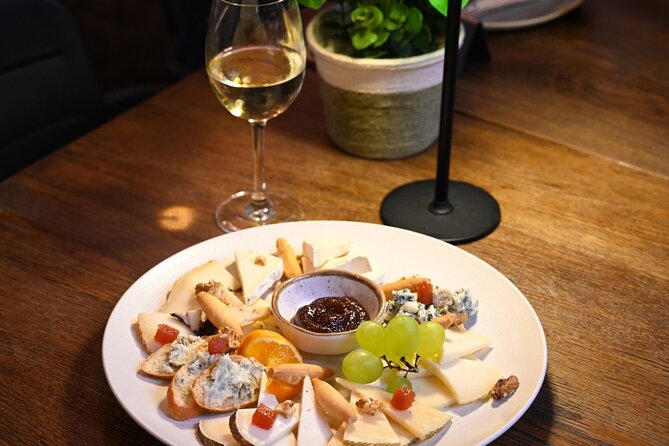
The tour does not promise a full seafood-focused itinerary, so do not book it expecting a parade of fish dishes. Its strength is variety: drinks, cured food, fried bites, vegetables, sweets, and local customs all appear within one compact route.
The ending near Moll de la Fusta is one of the tour’s smartest features. You finish beside the water rather than being dropped back at the starting point. That gives you a natural place to continue walking, sit with a coffee, or make your way toward another central sight.
A seaside finish also keeps the experience from feeling like a classroom. You have spent the afternoon or morning eating, walking, and crossing several districts. The final view gives the route a clear endpoint.
Ensaimadas and the sweet finish
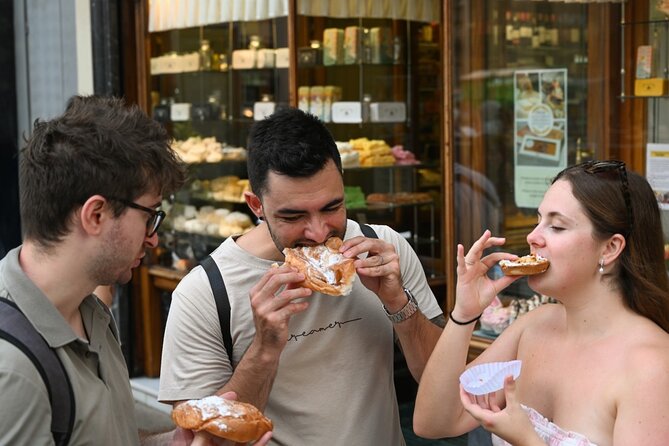
The final tastings include ensaimadas. This spiral-shaped pastry is associated with Mallorca, but it appears often in Spanish bakeries and is familiar to many visitors in Barcelona. Including it gives the tour a sweet finish and prevents the experience from ending with another salty snack.
After vermouth, ham, peppers, and croquettes, a pastry helps reset the meal. It also gives you something easy to recognize later when you see similar baked goods in a café or market.
Because the tour provides 16 tastings, portion size matters. You should think of the food as a series of samples that add up to a substantial introduction, not as five restaurant meals. The exact balance of dishes may vary, but the listed foods show a clear effort to include both well-known Spanish items and more specifically local choices.
A small group and a steady pace
The maximum group size is 12 people. That is large enough to create a little social energy, but small enough that the guide should be able to give directions and answer questions without shouting across a crowd.
The experience has been praised for its organization and pacing. The structure allows enough time at each stop without leaving you standing around bored or hurrying through every bite. That balance is important on a food walk. Too much time at one venue makes the route sluggish, while too little time turns every stop into a quick photograph and a mouthful.
You should still expect some standing. The tour specifically combines seated and standing stops, so comfortable shoes are a sensible choice. The old city’s walking route is more important here than dressing for a formal meal.
The guide is described as a foodie guide, and the tour is offered in English. No guide name is provided, so you should not expect to request a particular person based on the available details.
Is $69 a fair price?
At $69 per person, the tour is not the cheapest way to eat a few tapas in Barcelona. You could certainly buy individual snacks for less if you already know where to go and are happy to order without help.
The value comes from the package: 16 tastings, five stops, an English-speaking guide, and a route through three central districts. You are paying for the food, but also for the planning, neighborhood movement, explanations, and chance to sample several items without making your own ordering mistakes.
I see the price as reasonable for a visitor who wants a structured introduction on the first or second day in Barcelona. It is less appealing for someone who already knows Catalan food, speaks the local language, and enjoys planning a personal bar crawl.
The small group limit helps support the cost. A 12-person maximum is more personal than a large coach-style food outing, and the pace appears designed to keep the experience orderly. Still, this is best viewed as a guided tasting and orientation, not a bargain meal.
Who should book this experience?
I would recommend it to first-time visitors who want food and city orientation in one outing. It also suits solo visitors and couples who would rather have a planned route than study menus at five different places.
It is a good match for anyone curious about Catalan specialties but unsure where to begin. The combination of porró wine, vermouth, bomba croquettes, Padrón peppers, jamón, and ensaimadas gives you enough variety to identify several foods you may want to seek out later.
Families should consider the walking and standing time, as well as the food-focused nature of the tour. The supplied information does not specify child pricing or accommodations for dietary needs, so ask before booking if those details matter to you.
I would not choose this tour if you want a single long sit-down meal, extensive seafood, or a late-night bar experience. Its appeal is the compact route, repeated small tastings, and guide-led explanation.
Booking details worth checking
Your confirmation arrives at booking, and the experience is available with a mobile ticket. Hotel pickup is not included, so you need to reach the starting point yourself.
The tour is generally booked about 15 days ahead. That does not guarantee it will sell out, but it suggests that booking early is sensible if your Barcelona dates are fixed.
Free cancellation is available until 24 hours before the local start time for a full refund. Changes or cancellations inside that 24-hour window are not accepted for a refund. The experience also requires a minimum number of participants, and if that minimum is not reached, you will be offered another date or experience, or receive a full refund.
My verdict on the El Born food walk
This is a well-shaped introduction to Barcelona’s food culture. Its strongest features are the 16 tastings, the small group size, the mix of historic districts, and the steady pace between seated and standing stops.
The meeting-point wording deserves attention, and the price only makes sense if you value guidance and variety. Check the exact starting location, arrive ready to walk, and treat the food as a sequence of samples rather than a formal lunch.
I would book it early in a Barcelona visit, especially if you want ideas for what to order during the rest of your stay. If you already have strong food knowledge or prefer to choose every dish yourself, spend the $69 on independent tapas instead. For most first-time visitors who want an easy, social introduction, this tour is a practical choice.
FAQ
How long does the Barcelona El Born tapas and wine tour last?
The tour lasts approximately two hours and 30 minutes.
How many tastings are included?
You receive 16 tastings spread across five local stops.
Which Barcelona areas does the tour visit?
The route includes El Born, the Gothic Quarter, and Barceloneta, ending near Moll de la Fusta.
What foods and drinks are included?
The listed specialties include porró wine, historic vermouth, jamón, Padrón peppers, bomba croquettes, and ensaimadas, along with other Catalan favorites.
How many people can join the tour?
The maximum group size is 12 people.
Is hotel pickup included?
No. Hotel pickup is not included, so you must make your own way to the meeting point.
Can I cancel for a full refund?
Yes. You can cancel up to 24 hours before the local start time for a full refund. Cancellations or changes made less than 24 hours before the start time are not refunded.
Recently reviewed in Barcelona
- Barcelona Morning Tapas Crawl by Food Tour★ 5.0 · 45 reviews
- Wine & Cava Penedes Tour: Wineries, Wine Tasting and Tapas★ 5.0 · 5 reviews
- Barcelona Sailing Experience: Spanish Tapas and Premium Open Bar★ 4.5 · 34 reviews
- Tapas Bike Tour Barcelona★ 5.0 · 8 reviews
- Barcelona Tapas & Wine Private Tour in Traditional Taverns★ 4.5 · 60 reviews
- Tapas & Sidecar Motorcycle Barcelona Tour★ 5.0 · 26 reviews
- Tapas and Wine Walking Tour in Barcelona★ 5.0 · 47 reviews
- Barcelona’s Most Terrific of Tapas Tours in the Gothic quarter★ 5.0 · 2 reviews
Tapas and Wine Tours, compared.

Montserrat Half-Day Tour with Tapas and Gourmet Wines
Read our review →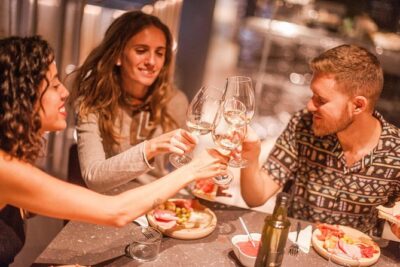
Montserrat & Cogwheel Train, Gourmet Wine Tasting & Tapas/Lunch
Read our review →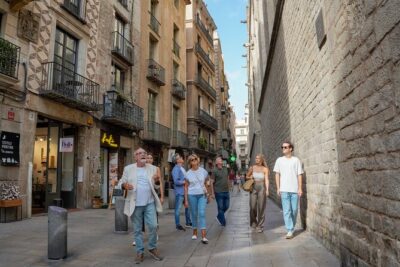
Barcelona Tapas and Wine Experience Small-Group Walking Tour
Read our review →
Montserrat with Black Madonna & Medieval Winery with Tapas/Lunch
Read our review →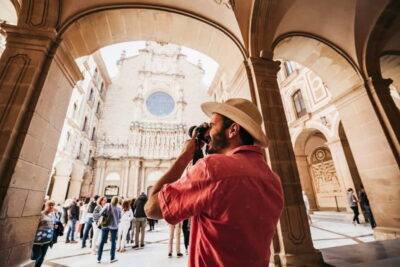
Montserrat and Winery Tour with Tapas or Lunch
Read our review →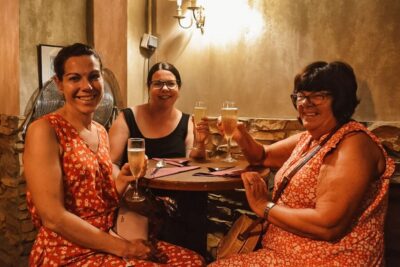
Tapas Walking Tour with Food, Wine, and History
Read our review →
Madrid Tapas & Wine Tasting Walking Tour – Small Group Local Bars
Read our review →
Sevilla Food Tour: Tapas, Wine, History & Traditions
Read our review →Browse the lists this tour appears in