
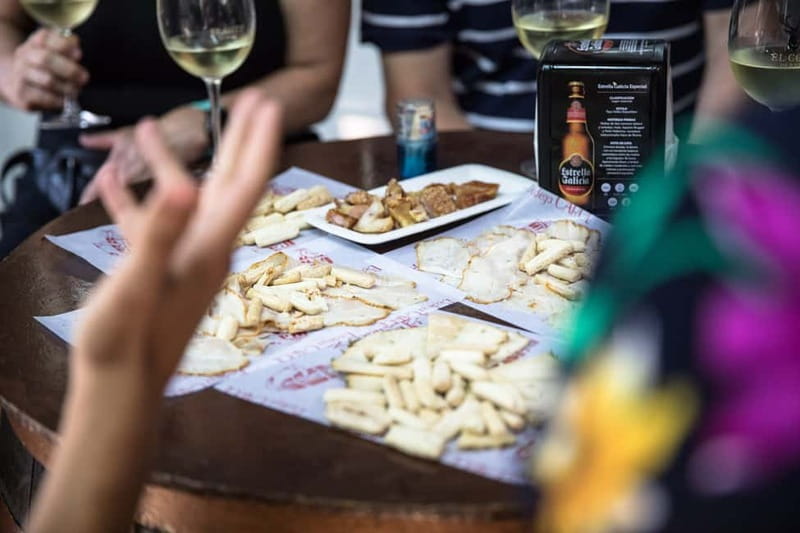
REVIEW · BARCELONA TAPAS TOURS
The Tapas Secret: Eat Where Locals Eat
Barcelona’s best food memories often happen far from the famous center. This 2.5-hour walk takes you from Carrer de València to the El Clot area, where family-run bars serve homemade tapas to local regulars. Atair, the guide, has personal ties to the neighborhood and introduces you to the people behind the food.
I like the three-bar format, which gives you a proper taste of neighborhood life instead of one long meal in a single restaurant. I also like the generous spread: 10 to 12 homemade portions, more than four kinds of Spanish charcuterie, seafood, cheese, and drinks ranging from wine and cava to beer and vermouth. The main drawback is that the tour involves walking and is not suitable for people with mobility impairments.
Key points at a glance
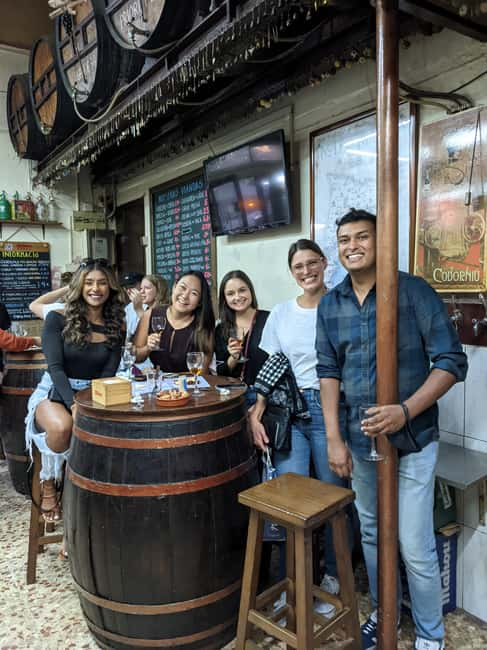
- Three local bars in El Clot: You leave the tourist center and eat in a real residential community.
- A full meal, not just samples: Plan on 10 to 12 homemade tapas portions, including charcuterie and seafood.
- Drinks are part of the experience: Try Spanish red, white, and sparkling wines, along with beer and other spirits.
- Family kitchens take center stage: The food comes from places where older generations still help run the kitchen.
- Atair adds the local connection: His relationships with neighborhood bar owners give the stops a personal feel.
- Come hungry: The portions are filling enough that you should not schedule dinner immediately afterward.
Leaving the tourist center for El Clot
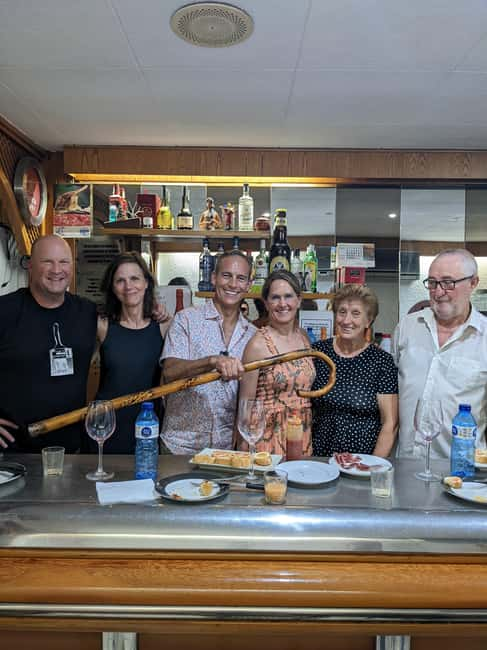
The appeal of this tour is simple: you eat where Barcelona residents eat. Instead of staying around the most visited streets and polished dining rooms, you head toward El Clot, a neighborhood praised for its strong community feel and everyday bars.
That change of setting matters. You are not only tasting food. You are seeing the kind of Barcelona that keeps its normal schedule while visitors spend their days around the central sights. The tour gives you a chance to watch local life unfold around family-owned places that do not depend on guidebook fame.
The meeting point is on Carrer de València, 550, directly in front of a store called Don Cuina Bany and beside the entrance to Encants Metro Station. That is a useful landmark, especially if you are unfamiliar with the area. You will need to arrange your own transportation to this starting point, but the metro location makes the meeting place clear.
The tour ends at Plaça del Mercat, 7, in Sant Martí. Since the start and finish are different, you should not leave luggage or other belongings at the meeting point. The ending also gives you a practical chance to continue exploring the neighborhood or make your own way elsewhere in Barcelona.
Other Barcelona tapas evenings worth comparing
- Montserrat Half-Day Tour with Tapas and Gourmet Wines
★ 5.0 · 7,359 reviews - Montserrat & Cogwheel Train, Gourmet Wine Tasting & Tapas/Lunch
★ 5.0 · 6,290 reviews - Barcelona Tapas and Wine Experience Small-Group Walking Tour
★ 5.0 · 5,804 reviews
What happens during the 2.5-hour food walk
The route covers sightseeing and food tasting without turning into a formal city tour. Atair leads you through his neighborhood, stopping at three different bars for homemade tapas, drinks, and conversation.
You can expect between 10 and 12 portions in total. That number makes the experience closer to lunch than to a light snack, particularly when you add the drinks. You will taste Spanish charcuterie, cheese, seafood, and other regional recipes, with the exact selection shaped by what each bar prepares.
This is not a fixed list of fashionable small plates. The food is described as classic tapas made with local, fresh, and seasonal products. That means the experience is best for you if you want traditional cooking and neighborhood character more than elaborate presentation.
Atair’s role is important here. He does not simply point out three addresses and leave you to order. His connections with the bar owners help create a more personal visit, and the introductions let you see the people responsible for the food. That personal link was repeatedly singled out as one of the strongest parts of the experience.
The pace is also worth noting. Two and a half hours is long enough for three food stops but short enough to fit into a busy Barcelona day. You will be walking between venues, eating at each one, and spending time with the group, so do not treat this as a quick tasting you can squeeze between nearby attractions.
The first bar sets the tone
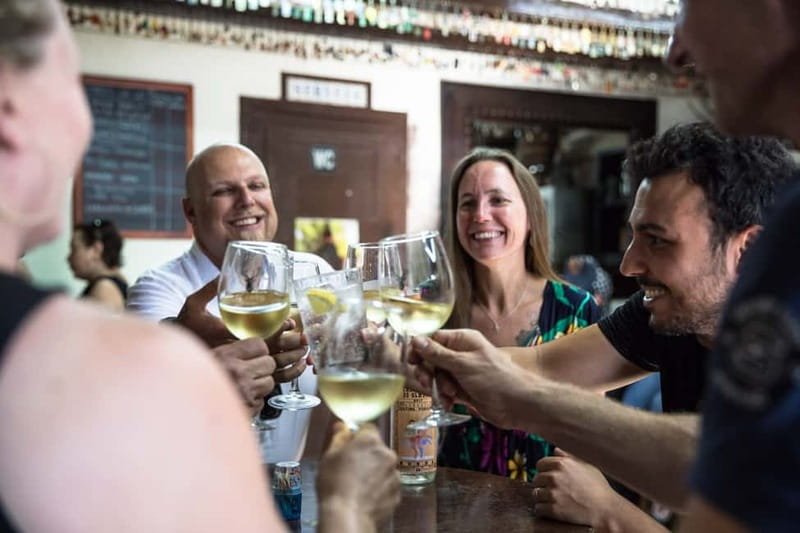
The first stop has received particular praise, and it seems to be the point where the tour’s approach becomes clear. You are introduced to a local bar rather than a restaurant designed for sightseeing, then begin tasting the homemade food and traditional drinks that shape the rest of the route.
The setting may be plain. That is part of the bargain. You should not expect sleek interiors, theatrical plating, or venues chosen for social media appeal. The reward is a direct look at the sort of bar where regulars return for familiar food and a drink.
This first stop is also a good place to pay attention to how Atair handles the group. The tour is built around meeting people from different places while also connecting with local residents and bar owners. The food opens the conversation, but the neighborhood relationships make the stop feel more personal.
If you are especially interested in Spanish wine, this is one of several chances to taste it during the experience. The drink selection includes red, white, and sparkling wines, along with beer and other spirits. You can also try cava, the Spanish sparkling wine, and vermouth, a classic choice for a neighborhood aperitif.
Charcuterie, cheese, and the Spanish bar tradition
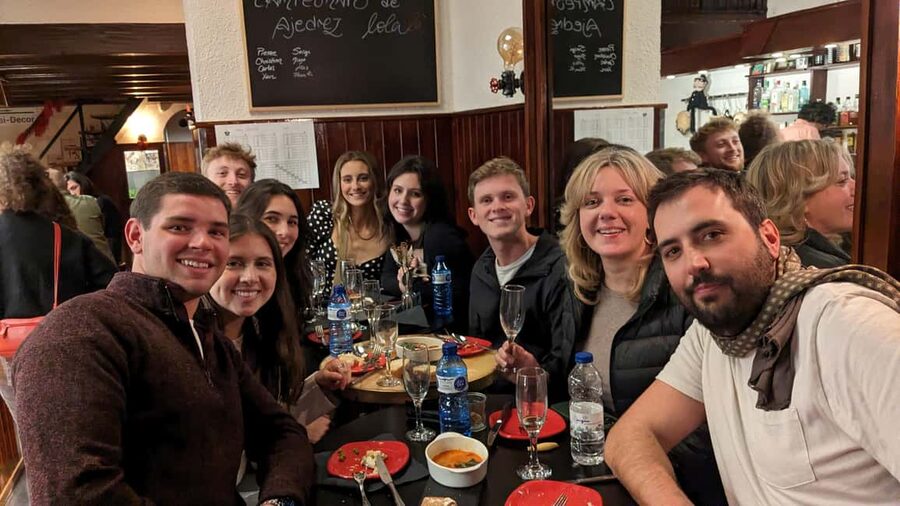
The charcuterie selection is one of the tour’s clearest strengths. You will taste more than four types of Spanish cold cuts, served as part of the homemade tapas spread rather than as an isolated tasting lesson.
For you, this provides useful variety. Spanish charcuterie can differ in texture, seasoning, and style, and trying several kinds side by side makes the category easier to understand. Add cheese and bread-based or other regional recipes, and the meal begins to show how much Spanish bar food depends on simple products handled well.
The emphasis is not on a lecture or a formal tasting ceremony. You are there to eat, compare, ask questions, and enjoy the social rhythm of a local bar. If you like food experiences that feel relaxed and conversational, this approach should suit you better than a highly structured culinary class.
The food is also meant to reflect the neighborhood rather than chase current restaurant fashions. You might find dishes that are difficult to locate in the city center, especially recipes made by older family members who still help in the kitchen. That gives the tour a sense of continuity without turning it into a museum of food.
You should also keep your expectations practical. The description promises homemade tapas, seafood, charcuterie, cheese, and other recipes, but it does not provide a fixed menu. If you need to avoid particular ingredients, ask before booking or speak with the guide before eating.
Same streets, a different round:
- Montserrat with Black Madonna & Medieval Winery with Tapas/Lunch
★ 5.0 · 5,209 reviews - Barcelona: Montserrat and Winery Tour with Tapas or Lunch
★ 4.8 · 4,695 reviews - Barcelona: Tapas Walking Tour with Food, Wine, and History
★ 4.8 · 4,261 reviews - Barcelona Paella Cooking Class with Market Visit, Tapas & Sangria
★ 5.0 · 2,531 reviews
Seafood and traditional drinks at the later stops
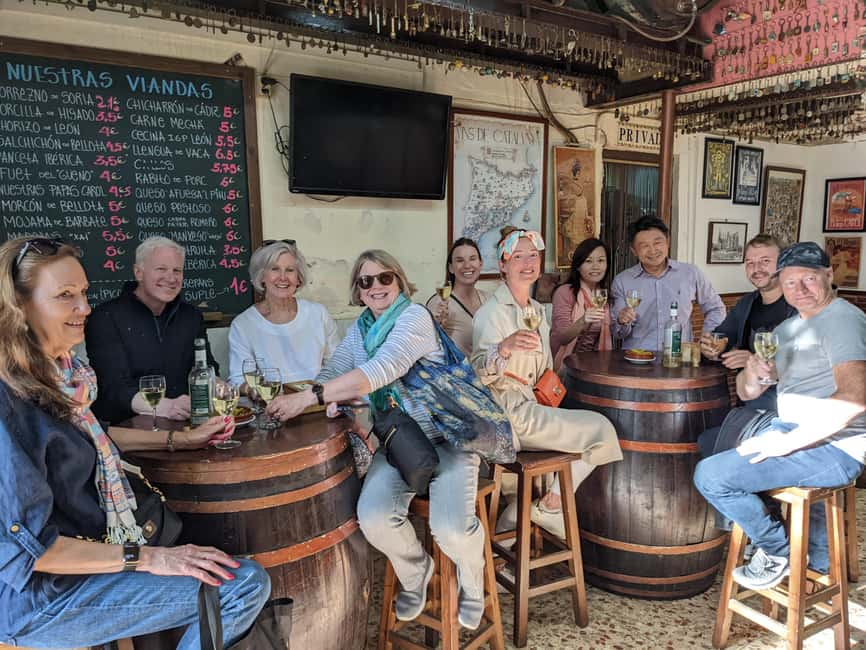
Fresh seafood is part of the promised food selection, adding a welcome change from the cured meats and cheese. The exact seafood preparation is not specified, so you should think of this as a chance to try what the bars are serving rather than a guarantee of one particular dish.
That uncertainty is normal for a neighborhood food walk. Menus can reflect the season, the kitchen, and what is available that day. You gain freshness and local character, but you give up the predictability of a restaurant menu.
Drinks are not an afterthought. The experience includes Spanish wines in several styles, cava, beer, vermouth, and other spirits. Non-alcoholic options are available, so you can take part in the food walk without drinking alcohol.
The combination of food and drink helps explain the tour’s pace. Tapas are traditionally social food, ordered for sharing and eaten alongside conversation. You are not simply moving from one sample to another. You are spending time in each place, tasting what is served, and seeing how food functions as part of neighborhood life.
If you plan to drink at each stop, pace yourself. The tour includes several beverage choices over two and a half hours, and the food is substantial. You can choose non-alcoholic options, but the experience is designed around the pairing of tapas and drinks.
Why the local relationships matter
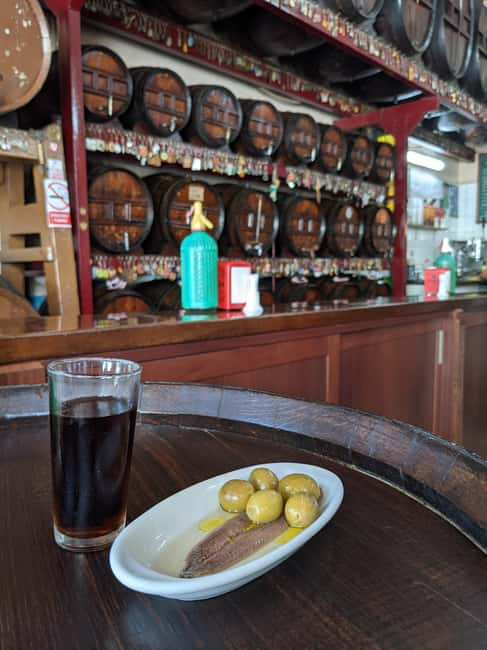
Many food tours can show you what to eat. This one aims to show you who makes it and where local people gather. Atair’s ties to the bars are a meaningful part of the experience, because the introductions help you feel connected to the people running the kitchens.
The family-run setting is especially appealing if you are tired of restaurants built around visitors. You may find grandparents and older family members still involved in preparing the food, with recipes that are not promoted through major tourist channels.
That does not mean every stop will feel polished or quiet. Local bars can be informal, close-quarters places, and the charm comes from their everyday character. If you want elegant dining rooms and carefully staged service, this is probably not the right food tour for you.
I like that the tour makes room for fellow participants as well. The group includes people from different countries, while the bar owners and residents provide a local counterpoint. Food gives everyone something easy to discuss, and Atair’s presence helps connect the group to the neighborhood.
The five available ratings are all at the top level, with especially strong praise for the food, the welcoming bar owners, the personal planning, and the feeling of getting off the beaten path. That pattern points to a consistent strength: this is not just a list of dishes, but a carefully chosen local route.
Is $88 a fair price?
At $88 per person, the tour is not the cheapest way to eat tapas in Barcelona. You could certainly order individual plates for less, especially if you avoid several drinks. The price makes more sense when you count the food, alcohol, guide, and access to three local venues in one organized experience.
You receive 10 to 12 homemade portions, including charcuterie and seafood, plus wine, cava, beer, and other drink choices. For a filling meal with several tastings and a local guide, the cost is reasonable if you value convenience and personal access.
The price also covers something you cannot easily reproduce on your own: knowing which neighborhood bars to visit and how to approach them. You might find good food in El Clot by chance, but you would not automatically know the best route or have Atair’s relationships with the owners.
Still, value depends on your priorities. If you prefer choosing every dish yourself, dislike group activities, or do not drink, you may find the cost harder to justify. If you want food, conversation, and local context in one compact outing, the package is stronger.
Timing, walking, and practical planning
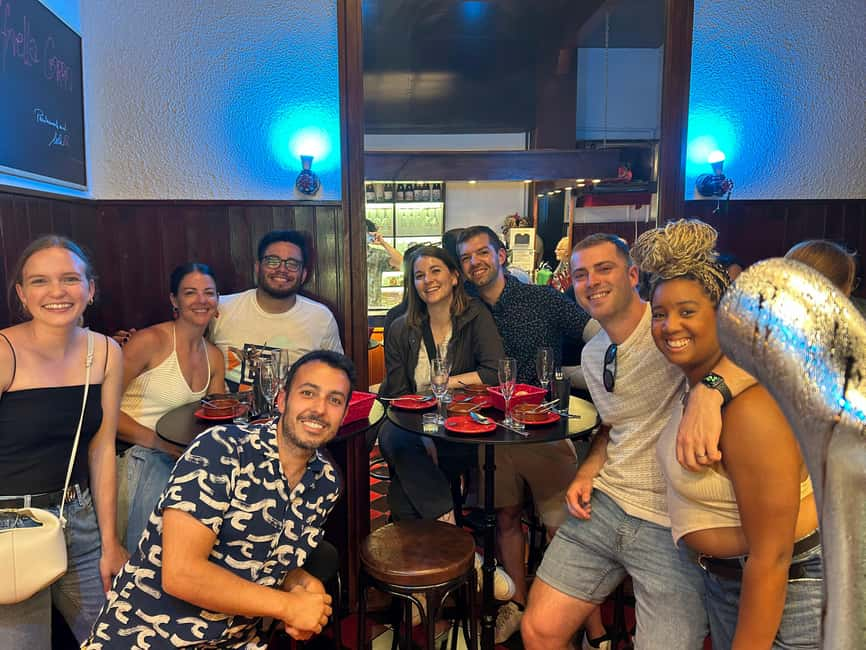
The experience lasts 2.5 hours, with starting times based on availability. Check the time carefully before booking, since the tour may affect lunch or dinner plans.
Come hungry. The portions are filling, and scheduling a full meal immediately afterward would likely be unnecessary. A light meal earlier in the day is the safer plan, particularly if you intend to sample several alcoholic drinks.
Wear comfortable shoes because you will walk between three bars. The experience is not suitable for people with mobility impairments, and babies under one year are not permitted. Those limits matter more here than on a seated tasting because the route moves through the neighborhood.
The tour is offered in English, Spanish, and Portuguese. That gives you a useful choice if you speak one of those languages, and it lets Atair explain food and local customs in a language you understand well.
Free cancellation is available up to 24 hours before the start for a full refund. You can also reserve now and pay later, which helps if your Barcelona schedule is still changing.
Who should book The Tapas Secret?
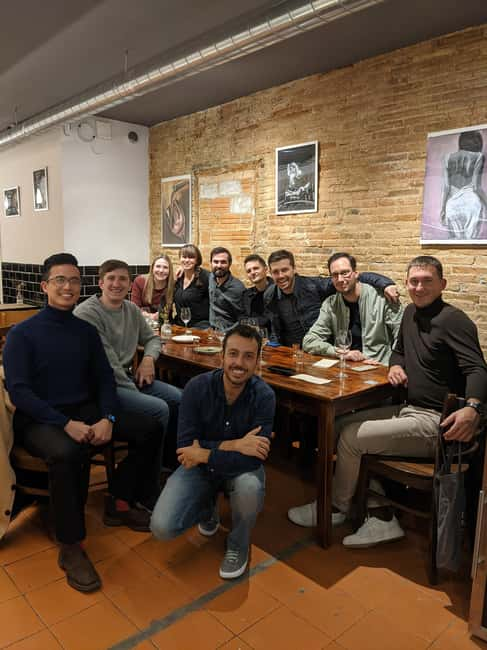
I would recommend this experience to you if you want to move beyond the central tourist routes and eat traditional food in a working neighborhood. It suits curious eaters who enjoy sharing dishes, meeting people, and letting a local guide shape the evening.
It is also a strong choice for anyone who wants a generous introduction to Spanish bar food. The range of charcuterie, cheese, seafood, tapas, wine, cava, beer, and vermouth gives you plenty to try in a short time.
You may want to skip it if you need a fully accessible route, have a strict fixed menu requirement, or prefer fine dining. The bars are chosen for local character, not luxury, and the food selection can vary.
Book this tour if your ideal Barcelona meal includes family recipes, neighborhood bars, traditional drinks, and a guide with personal ties to the people serving you. The best reason to go is not one famous dish. It is the chance to spend a few hours seeing how food, friendship, and local routine fit together in El Clot.
FAQ
Where does the tapas tour start?
It starts at Carrer de València, 550, in front of Don Cuina Bany and beside the entrance to Encants Metro Station.
Where does the tour finish?
The tour finishes at Plaça del Mercat, 7, in the Sant Martí district of Barcelona.
How long does the experience last?
The experience lasts 2.5 hours.
How many bars will I visit?
You will visit three different bars during the food walk.
How much food is included?
The tour includes 10 to 12 homemade tapas portions, ranging from charcuterie items to seafood.
What drinks are included?
The included selection features Spanish red, white, and sparkling wines, as well as beer and other spirits. Cava and vermouth are also offered.
Are non-alcoholic drinks available?
Yes. Non-alcoholic options are available.
Which languages does the guide speak?
The tour is offered in English, Spanish, and Portuguese.
Is transportation to the meeting point included?
No. Transportation to the starting point is not included.
Is the tour suitable for people with mobility impairments or babies under one year?
No. The experience is not suitable for people with mobility impairments or babies under one year.
Can I cancel for a refund?
Yes. You can cancel up to 24 hours in advance for a full refund.
Recently reviewed in Barcelona
- Barcelona Morning Tapas Crawl by Food Tour★ 5.0 · 45 reviews
- Wine & Cava Penedes Tour: Wineries, Wine Tasting and Tapas★ 5.0 · 5 reviews
- Barcelona Sailing Experience: Spanish Tapas and Premium Open Bar★ 4.5 · 34 reviews
- Tapas Bike Tour Barcelona★ 5.0 · 8 reviews
- Barcelona Tapas & Wine Private Tour in Traditional Taverns★ 4.5 · 60 reviews
- Tapas & Sidecar Motorcycle Barcelona Tour★ 5.0 · 26 reviews
- Tapas and Wine Walking Tour in Barcelona★ 5.0 · 47 reviews
- Barcelona’s Most Terrific of Tapas Tours in the Gothic quarter★ 5.0 · 2 reviews
Barcelona Tapas Tours, compared.

Montserrat Half-Day Tour with Tapas and Gourmet Wines
Read our review →
Montserrat & Cogwheel Train, Gourmet Wine Tasting & Tapas/Lunch
Read our review →
Barcelona Tapas and Wine Experience Small-Group Walking Tour
Read our review →
Montserrat with Black Madonna & Medieval Winery with Tapas/Lunch
Read our review →
Montserrat and Winery Tour with Tapas or Lunch
Read our review →
Tapas Walking Tour with Food, Wine, and History
Read our review →
Barcelona Paella Cooking Class with Market Visit, Tapas & Sangria
Read our review →
Browse the lists this tour appears in