
REVIEW · TAPAS AND WINE TOURS
Budapest: Hungarian Wine Tasting with 8 Wines and Tapas
Hungary’s wine story is easy to miss when Budapest’s grand architecture and ruin bars take center stage. This tasting fixes that. At Wine the Gap, an English-speaking host such as Miki, Micky, Luca, or Bianca guides you through Hungarian grapes, wine regions, and the food that goes with them. I especially like the map-based geography lesson and the chance to try wines from both familiar and lesser-known producers.
I also like the farm-sourced tapas, which make the tasting feel connected to Hungary rather than like a generic wine class. The main drawback is the small discrepancy in the advertised number of pours: the experience is titled around eight wines, while the included details say seven. Either way, two hours and $68 is a fair price for a guided tasting, but this is for adults only and not a full meal.
Key points to know before booking
- A useful first look at Hungarian wine: You’ll learn how the country’s regions and grapes differ before deciding which bottles you like.
- Hosts who bring personality: Miki and Micky are often named, with Luca and Bianca also leading sessions.
- Seven to eight pours: Expect a broad sample of Hungarian wine, including whites, reds, rosés, kadarka, and Bull’s Blood.
- Local food pairings: Cheese, ham, sausage, olives, tomatoes, and other farm products are served alongside the wine.
- A central, low-stress format: You meet at Wine the Gap for the full two-hour session, with no hotel transfer or winery transport.
- Good for solo visitors: Small sessions can feel social, and solo participants may be seated with other wine tasters.
Why this Budapest tasting is worth your evening
Hungary is not usually the first country people name when talking about European wine. That is precisely why this experience works. You arrive with a blank slate, then spend two hours learning that Hungary has several distinct wine areas, local grapes, old traditions, and plenty of bottles that rarely appear on international wine lists.
The lesson is not built around technical jargon. The host explains the grapes, production methods, geography, and background of each pour in plain English. Miki and Micky receive especially strong praise for mixing wine instruction with jokes and stories, while Luca and Bianca are also named as engaging hosts.
I would book this near the start of a Budapest stay, not on your final night. It gives you a better idea of what to order in wine bars and restaurants for the rest of the trip. You may also find a bottle or two worth buying to take home, though the activity price does not include wine purchases.
The experience is rated 4.9 from 446 bookings, and the recurring strengths are clear: the hosts bring energy, the wine selection is varied, and the food is more than an afterthought. That does not mean every pour will suit your taste. A guided tasting is valuable partly because you can compare styles and decide what you like, rather than simply being handed one acclaimed bottle.
More Tapas and Wine Tours in the world:
- Montserrat Half-Day Tour with Tapas and Gourmet Wines
★ 5.0 · 7,359 reviews - Montserrat & Cogwheel Train, Gourmet Wine Tasting & Tapas/Lunch
★ 5.0 · 6,290 reviews - Barcelona Tapas and Wine Experience Small-Group Walking Tour
★ 5.0 · 5,804 reviews
Meeting at Wine the Gap in central Budapest
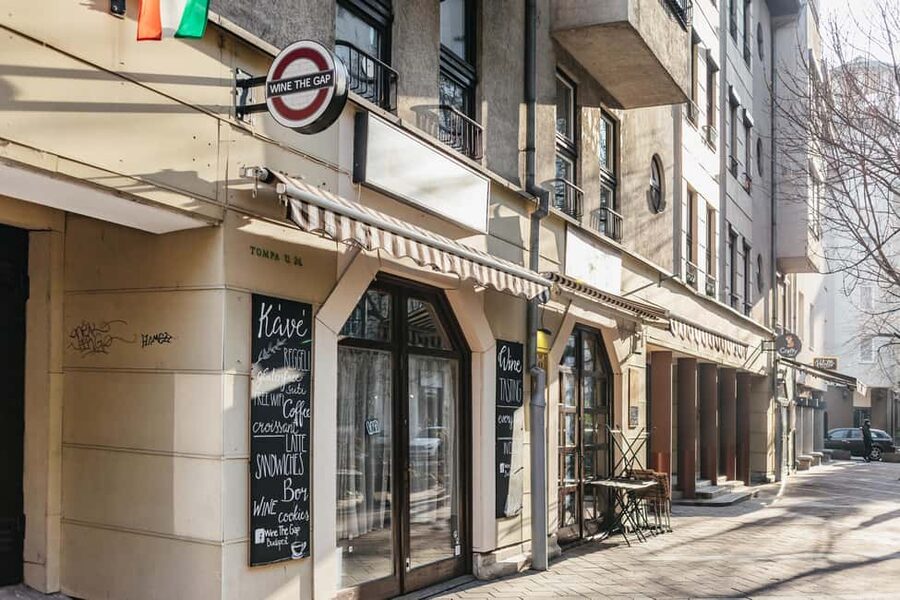
The meeting point is Wine the Gap, a wine bar and event space in central Budapest. You do not need to arrange a transfer, since the activity begins and ends there. Hotel pickup and drop-off are not included, so plan your route to the bar before the start time.
The setting is described as cozy and comfortable, with some sessions held outside when the weather is good. One participant particularly enjoyed the surrounding neighborhood, which can give you a reason to see a part of Budapest beyond the usual sightseeing circuit.
The venue also matters after the formal tasting. If you find a favorite bottle, you may be able to stay for another glass at your own expense. The bar serves as both the classroom and a useful introduction to Hungarian wine drinking.
Expect a social format rather than a private appointment every time. Some sessions have included couples, international groups, and solo participants. One solo booking became a one-on-one session, while another solo visitor was seated with a couple and enjoyed the easy company. Group size is not specified, so I would not book this expecting a guaranteed private tasting.
The first glasses: Hungarian wine by map and story
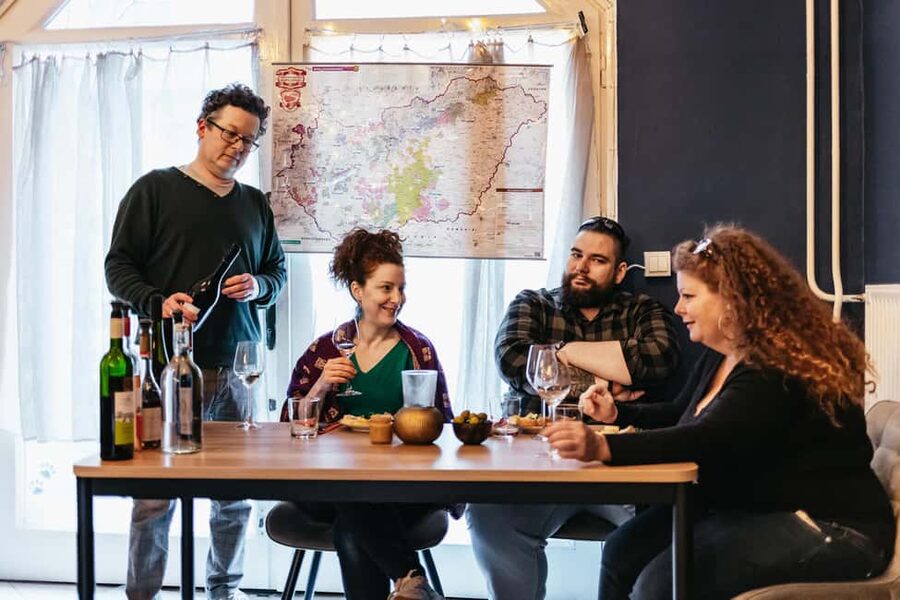
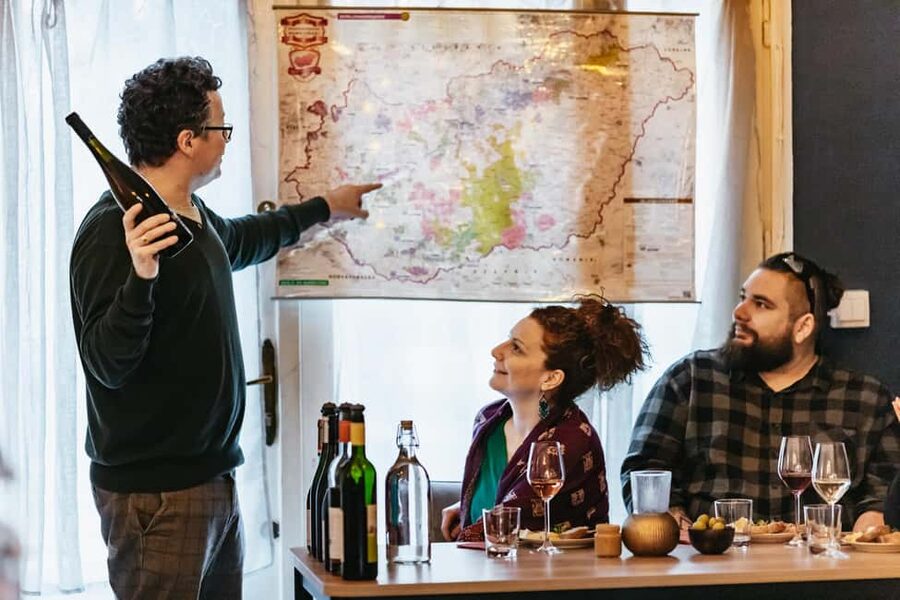
The host starts with an overview of Hungarian wine and the country’s main producing areas. A map of Hungary is provided, which is more useful than it sounds. Wine regions can blur together when you only hear names in passing, but seeing them placed on a map helps you connect a grape or style with a part of the country.
You will also hear about the role of history and production methods in Hungarian wine. The hosts explain where the wines come from, how they are made, and why different grapes produce different results. The tone is educational, but the strong personalities of hosts such as Miki keep it from feeling like a lecture.
This opening section is particularly useful if you know little about Hungarian wine. You do not need prior tasting experience, and you should feel free to ask basic questions. The activity is also suitable for people who already know wine but want to understand a country that is less familiar.
Tasting notes are included, along with a map of the wine regions. These are practical extras because they give you something to refer back to after the session. You can note the grapes and styles you enjoyed instead of trying to remember every label after several pours.
Cserszegi fűszeres and the white-wine flight
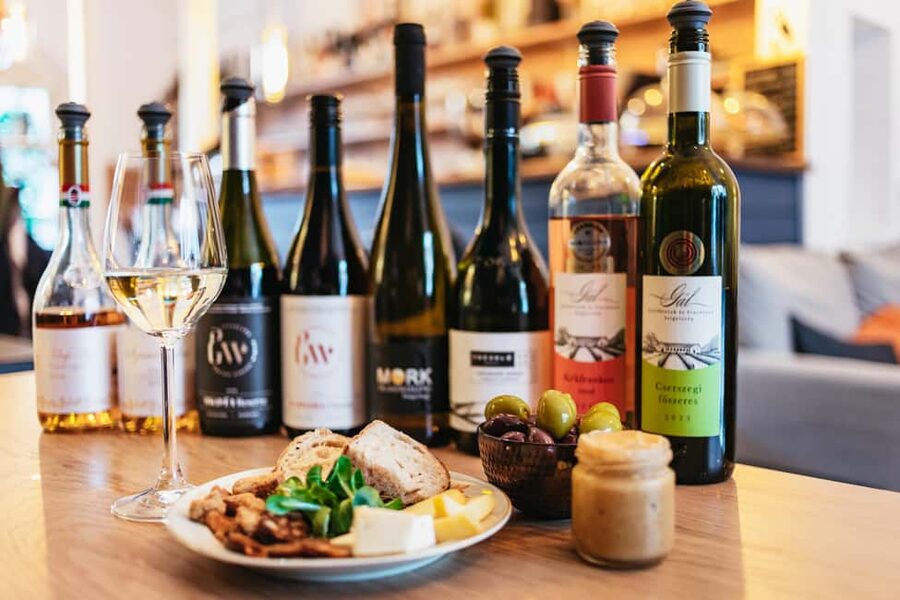
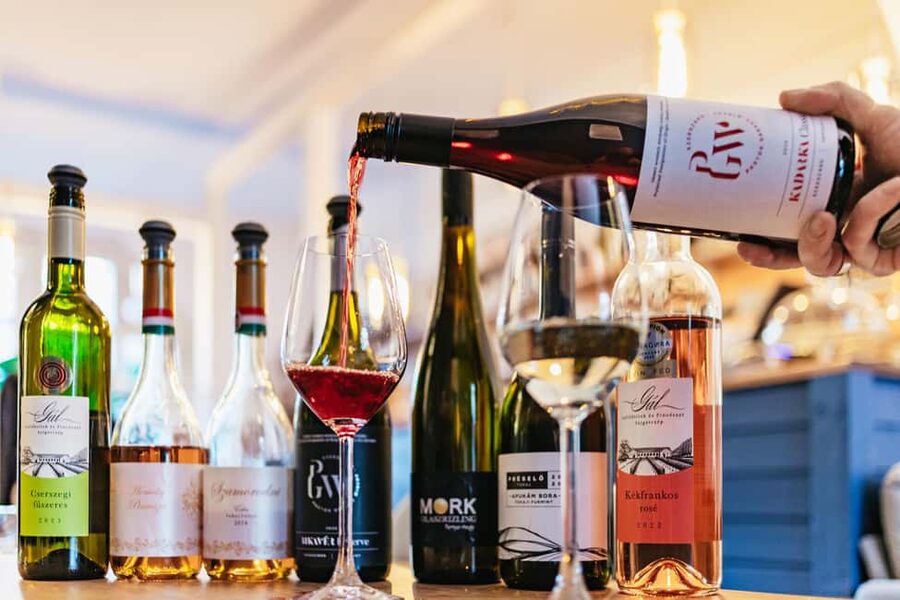
One of the more memorable parts of the tasting is the focus on cserszegi fűszeres, a Hungarian grape whose name is difficult for many English speakers. It is sometimes presented as the unpronounceable grape, a friendly way to make the name less intimidating.
The point is not simply to repeat the grape’s name. You get to taste several white wines made from it and compare how different producers handle the same variety. That comparison is one of the best reasons to attend a guided tasting. A single glass can seem like an isolated product, but several related pours help you notice changes in aroma, body, sweetness, and finish.
The white wines also give the host a natural way to explain how to taste. You might discuss aromas, the feel of the wine, and the differences between white and red wine. One participant valued learning the different behaviors of red and white wines, while another appreciated the explanation of grape growing and production methods.
The tasting is not designed to turn you into a sommelier in two hours. It does give you a working vocabulary and a better sense of what you enjoy. That is enough to make future wine choices less of a guess.
Other the world tapas evenings worth comparing
- Montserrat with Black Madonna & Medieval Winery with Tapas/Lunch
★ 5.0 · 5,209 reviews - Barcelona: Montserrat and Winery Tour with Tapas or Lunch
★ 4.8 · 4,695 reviews - Barcelona: Tapas Walking Tour with Food, Wine, and History
★ 4.8 · 4,261 reviews - Madrid Tapas & Wine Tasting Walking Tour – Small Group Local Bars
★ 5.0 · 3,644 reviews
Furmint, kadarka, rosé, and Bull’s Blood
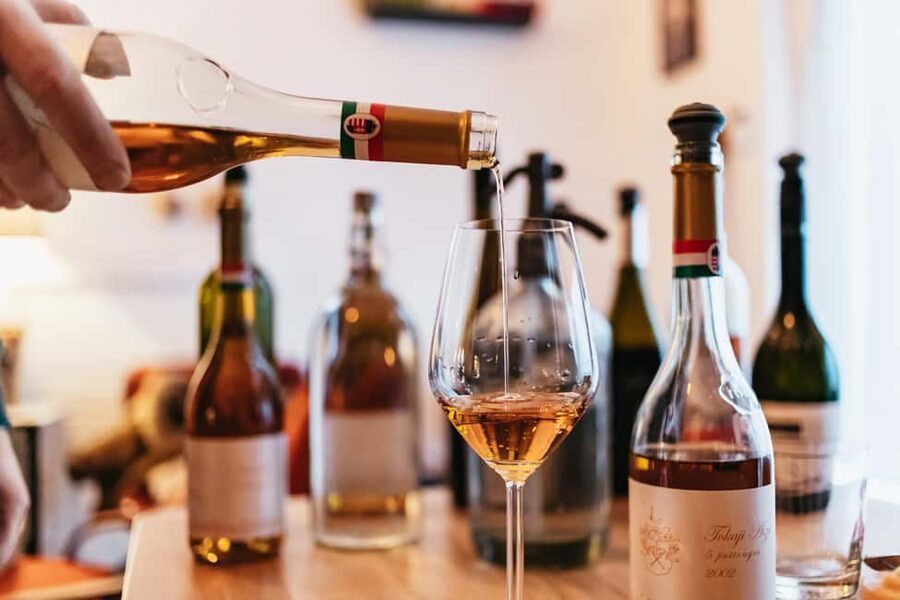
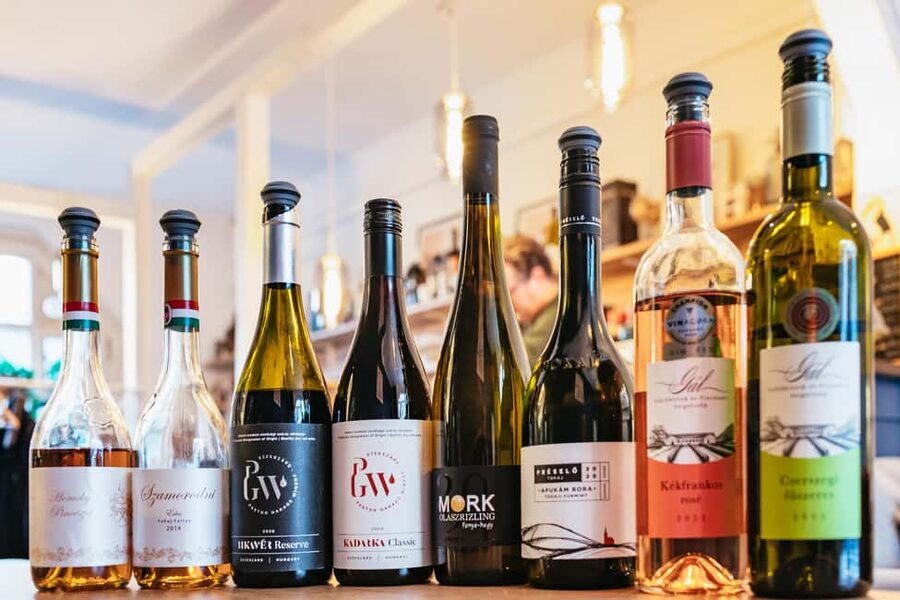
The tasting then broadens beyond the whites. Furmint is introduced as one of Hungary’s best-known grapes, followed by red wines such as kadarka and Bull’s Blood. You may also taste rosé and other styles as the host moves through the selection.
Bull’s Blood is perhaps the most familiar name to many visitors. The name refers to a Hungarian wine style associated with a blend of grapes, and it gives the host an easy opening to explain how a wine can be linked to both place and story. Kadarka provides another chance to try a Hungarian red that may not be familiar from home wine shops.
The selection includes bottles from larger producers as well as lesser-known makers. That mix is important. A tasting made only of famous labels would tell you what the export market already knows. Smaller producers give you a glimpse of the variety you may encounter in Hungarian wine bars and specialist shops.
The advertised information varies between seven and eight wines, and individual sessions may differ. The safest expectation is a flight of roughly seven to eight pours rather than a rigid promise of exactly eight. That is still a generous range for a two-hour session, especially when the host gives each glass context.
Farm foods that make the wine taste better
The food is served as tapas, not as a sit-down dinner. Expect small portions of olives, ham, sausages, tomatoes, and several types of cheese, with products sourced from farms outside Budapest.
I like this part because it makes the tasting feel rooted in local food culture. The snacks are not just crackers placed beside the glasses. Smoked cheese, seasoned lard, cured meats, and other farm products have been singled out as memorable enough to buy afterward.
The portions should be viewed as a substantial snack rather than a replacement for dinner. If you arrive hungry, plan another meal later. The food helps you compare the wines and keeps the tasting comfortable, but the experience does not promise a full Hungarian meal.
The pairings also make the event more accessible for people who are not deeply interested in wine. You can enjoy good local food while learning about the bottles. This balance is one reason the activity suits couples and mixed groups where one person is a wine enthusiast and another is simply curious.
The guide can shape the whole evening
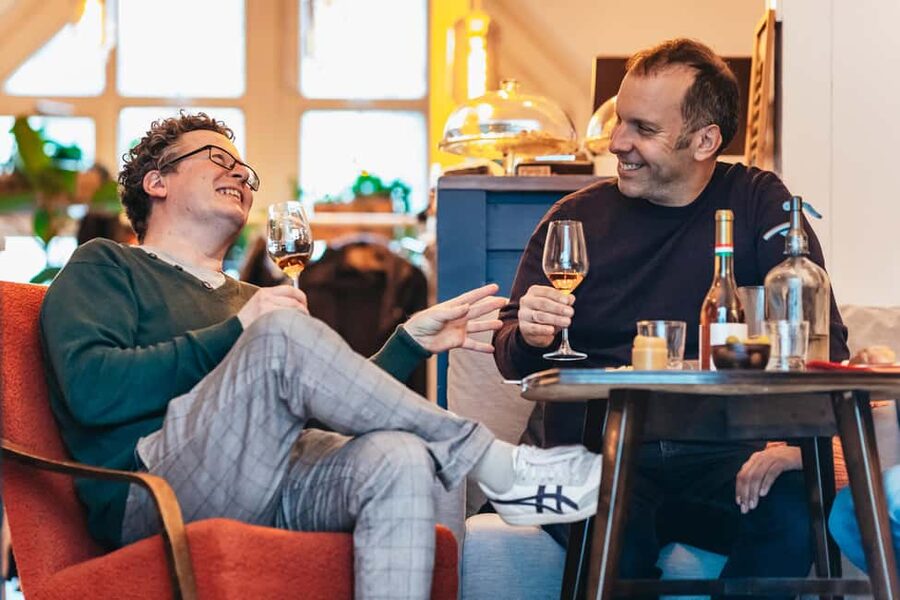
The host is a major part of this experience. Names vary by session, but Miki and Micky are frequently associated with the tasting, while Luca and Bianca have also led it. The strongest descriptions focus on enthusiasm, storytelling, humor, and a willingness to answer questions.
That personal approach matters in a two-hour tasting. A dry list of grapes and regions would be easy to forget. Stories about winemakers, places, and Hungarian wine culture give the bottles a human connection.
The session can feel relaxed and social, but the quality of the instruction depends partly on the guide assigned that day. The available host names show that the experience is not tied to one person every time. If you have a strong preference, you should not assume a particular host is guaranteed.
The good news is that the format appears to work for different experience levels. Beginners can ask basic questions without feeling out of place. People who already know wine can focus on regional differences, production details, and bottles they are unlikely to find elsewhere.
What $68 gets you
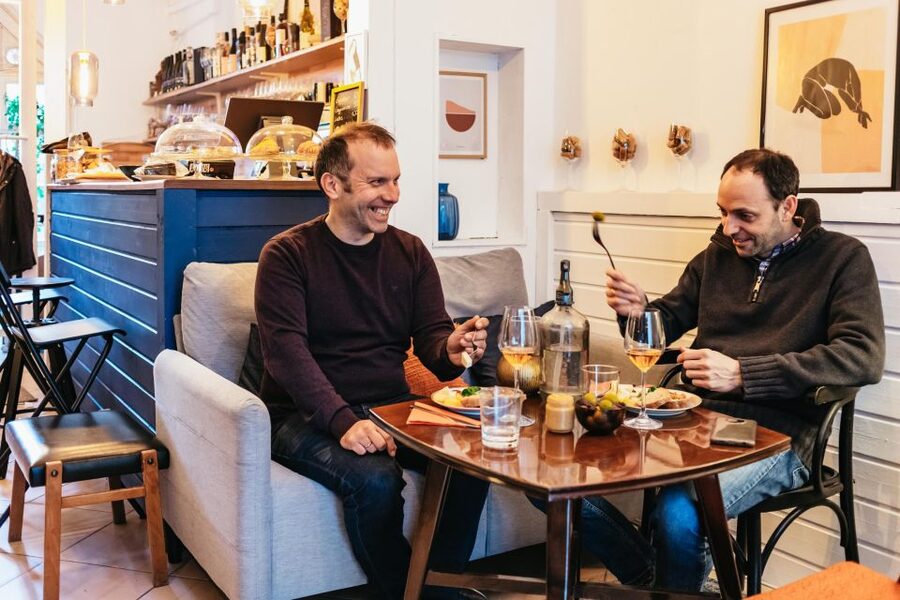
At $68 per person, the value rests on three parts: the number of pours, the expert guidance, and the local food. Seven to eight wines alone could cost a fair amount in a central Budapest bar, but tasting without an explanation would not offer the same value.
You also receive bottled water, tasting notes, and a map of Hungarian wine regions. Those practical extras help justify the price, especially if you plan to continue exploring wine during your trip.
The price does not cover transportation, hotel pickup, extra glasses after the session, or bottles you decide to buy. It also does not replace dinner. I consider the cost fair for a focused two-hour introduction, but someone looking for a full-day vineyard visit should choose a different experience.
The short format is part of the value. You do not spend half a day traveling outside Budapest, yet you still get an overview that can help you choose a later winery excursion. The session works especially well before a longer countryside wine trip.
Who should book, and who should skip it
I would recommend this to adults who enjoy wine, local food, and conversation. It is especially useful for first-time visitors who want something beyond the standard Budapest sights, and for experienced wine drinkers who have not yet explored Hungary.
Solo visitors can book with confidence. The social setup may put you with other participants, and one-person sessions can still feel welcoming. Couples and small groups should also find the format easy to enjoy.
This is not suitable for children under 18 or pregnant women. It is also a poor match if you want a quiet private dinner, a large meal, or a winery tour through the countryside. The activity stays at Wine the Gap and focuses on tasting and instruction.
The bar is wheelchair accessible, which makes the central meeting point practical for many visitors. English is the tour language, and the live guide explains the wines throughout the session.
Booking advice and final verdict
Book it early in your Budapest stay if you want the information to guide later meals and wine purchases. The activity allows cancellation up to 24 hours before the start for a full refund, and you can reserve now and pay later, which gives you some flexibility.
I would book this tasting if you want a friendly, informative introduction to Hungarian wine without spending a day outside the city. The strongest reasons are the range of grapes, the map-based explanation of wine regions, and the local cheeses and cured foods.
Skip it if you dislike alcohol, need a full dinner, or prefer a private experience with a fixed guide. For everyone else, $68 buys a useful and enjoyable two-hour lesson, with enough food to support the tasting and enough variety to leave you with a few new Hungarian favorites.
FAQ
Where does the Hungarian wine tasting take place?
The tasting takes place at Wine the Gap wine bar, also called Wine the Gap Borbár és Rendezvénytér, in central Budapest.
How long does the experience last?
The guided tasting lasts two hours.
How many wines will I taste?
The activity is promoted as a tasting of eight wines, while the included details specify seven tastings. Plan on approximately seven to eight Hungarian wines.
What kinds of Hungarian wines are included?
The tasting includes white wines made from cserszegi fűszeres, along with wines connected to furmint, kadarka, and Bull’s Blood. Rosé and other styles may also be included in the selection.
Is food included?
Yes. Tapas are included, with items such as olives, ham, sausages, tomatoes, and several types of cheese sourced from farms outside Budapest.
Is the experience conducted in English?
Yes. The live guide conducts the tasting in English.
Who leads the tasting?
Hosts include Miki or Micky, and sessions have also been led by Luca and Bianca. The specific guide depends on the session.
Is the wine tasting suitable for children?
No. Children under 18 are not permitted.
Is the tasting wheelchair accessible?
Yes. The activity is listed as wheelchair accessible.
Recently reviewed in the world
- Barcelona: El Born Tapas Tour and Sailing Cruise★ 5.0 · 3 reviews
- Barcelona: Tapas & Wine Tour in Born & Gothic Quarter★ 5.0 · 10 reviews
- Barcelona: Gaudi Tapas & Wine Tasting Small Group Tour★ 5.0 · 3 reviews
- Barcelona: Bus Nàutic with tapas tasting★ 3.5 · 4 reviews
- Balade Apéro Tapas à Bayonne★ 5.0 · 2 reviews
- Barcelona: 3-Hour Bike Tour with Spanish Tapas★ 4.9 · 14 reviews
- Azores: Volcanic Wine and Tapas Tasting Party★ 5.0 · 4 reviews
- All of Alicante with the Castle, Market, and Tapas. Small group, max 6 people★ 5.0 · 4 reviews
Tapas and Wine Tours, compared.

Montserrat Half-Day Tour with Tapas and Gourmet Wines
Read our review →
Montserrat & Cogwheel Train, Gourmet Wine Tasting & Tapas/Lunch
Read our review →
Barcelona Tapas and Wine Experience Small-Group Walking Tour
Read our review →
Montserrat with Black Madonna & Medieval Winery with Tapas/Lunch
Read our review →
Montserrat and Winery Tour with Tapas or Lunch
Read our review →
Tapas Walking Tour with Food, Wine, and History
Read our review →
Madrid Tapas & Wine Tasting Walking Tour – Small Group Local Bars
Read our review →
Sevilla Food Tour: Tapas, Wine, History & Traditions
Read our review →Browse the lists this tour appears in